Båten glider in lågt och nästan ljudlöst, för flottan drivs nu av batterier, och kvinnan framför dig rullar ombord sin cykel utan att en enda gång titta upp från mobilen. Ingen fotograferar vattnet. Det här är 09:12-turen till jobbet, den kostar lika mycket som en bussresa, och det är fortfarande den bästa åkturen i staden.
Köpenhamn säljer kanalkryssningar till turisterna men kör en bättre båt åt sina egna invånare till en bråkdel av priset. Samma logik gäller ovan jord: tågen som tar kontorsarbetare hem släpper också av dig vid en hjortpark, vid ett slott som flyter på tre sjöar och vid ett av Europas stora kustmuseer. Här följer nätverket som lokalbefolkningen faktiskt använder det: vilka överfarter som är värda att göra för sin egen skull, vilka som passar två personer och vilka som kan rymma en grupp på tolv, och vad tidtabellsändringarna och byggarbetena 2026 innebär för en resa som planeras i år.
Att åka hamnbussen som om den vore en buss
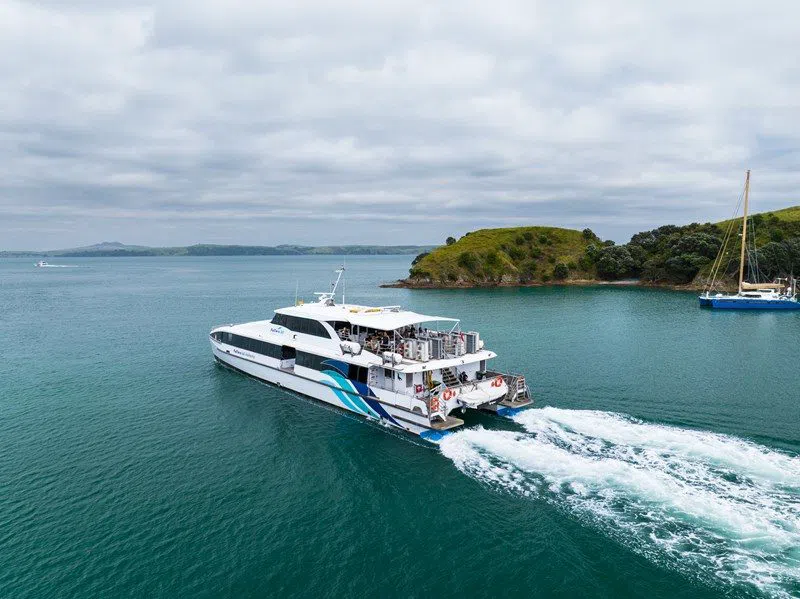
Havnebussen (hamnbussarna, linjerna 991, 992 och 993, som trafikerar den inre hamnen från Nordhavn till de södra kanalerna) är kollektivtrafik, inte en utflykt. Sju batteridrivna båtar som drivs av GoCollective (f.d. Arriva Danmark, namnbytte 2024) kör för Movia och trådar hela hamnen från Orientkaj i norr till Teglholmen i söder för priset av en bussbiljett. En enkelbiljett för två zoner kostar runt 25 DKK, och båtarna är gratis med Copenhagen Card eller City Pass, vilket är det mest användbara att veta om dem: har du redan köpt ett resekort för tågen ingår hamnen och du kan hoppa på och av hela dagen utan extra kostnad.
Det finns ingen bokning och ingen dörrpolitik, och det är både på gott och ont. Båtarna är små. Platserna fylls snabbt mellan juni och augusti, cyklar tar upp däcksyta, och ett sällskap på tio kommer inte att gå ombord tillsammans i Nyhavn en varm lördag. Dela upp stora grupper på två avgångar och bestäm en hållplats där ni samlas igen. Det är tio minuters väntan, inte en katastrof. Par får det bättre av detta: ställ dig vid akterskansen, håll dig utanför cykelfältet som är målat på däcket, så har du en rörlig utsikt över hela vattnet för priset av en kaffe.
Säsongen 2026 är bättre än tidigare år. Från och med januari finansierade staden en längre driftssäsong, från påsk till och med höstlovet, och senare avgångar, vardagar till 22:00 och helger till midnatt. Två varningar att bära med dig. Hållplatsen Holmen Nord, som inte trafikerats på åratal, avvecklades formellt 2026, så ignorera den på äldre kartor. Och linje 993, operashutteln, trafikerar bara när flottan inte är ansträngd av sommarens täta turer på andra håll, vilket innebär att det inte är något att bygga en kväll kring utan att kontrollera i förväg.
Den norra änden vid Orientkaj
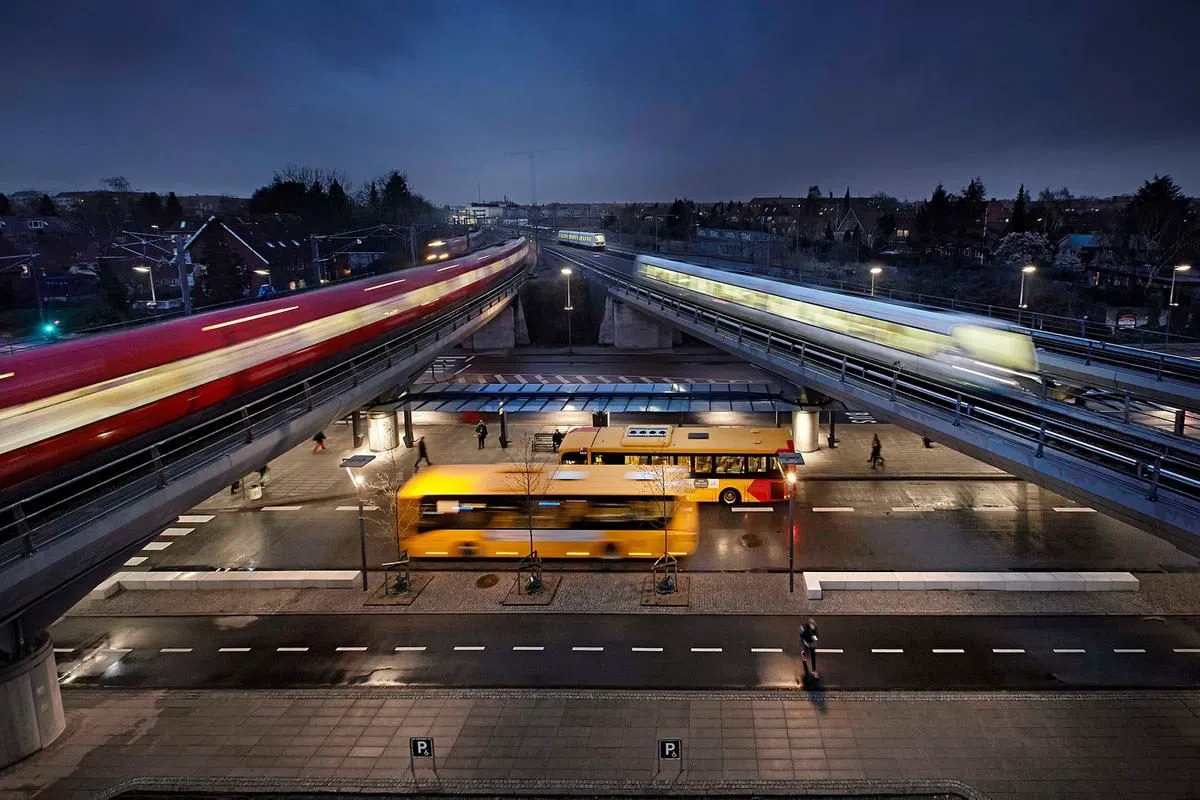
Orientkaj (metrostation och hamnfärjeterminal, Nordhavn) är där båtturen börjar och den tydligaste platsen att se varför detta fungerar. Cobes och Arups markstation lånar proportionerna från en container från varven den ersatte, och det är gratis att gå in och fotografera från perrongen. Strandpromenaden är tillräckligt bred för att en grupp ska kunna breda ut sig utan att blockera någon.
Gå några minuter från stationen så når du badzonen Sandkaj, som är öppen året runt; köpenhamnare badar där i februari, kort och högljutt. Det är den snygga poängen med den norra terminalen: pendlingen slutar i vattnet. Kom med metron på M4 och åk båt därifrån, eller tvärtom, så har du täckt hela hamnens längd, norr till söder, två gånger med två helt olika färdmedel för två enkelbiljetter.
Refshaleøen lönar överfarten
Refshaleøen och Reffen (f.d. varvsö, östra sidan av hamnen) är hållplatsen som rättfärdigar färjan på egen hand. Ön nås bara med båt, cykel eller en enda busslinje, och att anlända sjövägen är hela poängen. Ta en taxi så har du betalat mer för mindre. Reffen i sig består av ungefär 35 containerkök, barer och ett bryggeri på en utomhusanläggning, som öppnar för säsongen 2026 den 13 mars och vintertid förvandlas till Reffen Skøjteøen, skridskobanan.
Detta är den mest gruppvänliga platsen på hela sträckan. Gemensamma bänkar, ingen reservation krävs för marknaden, rätter för 90 till 150 DKK, fri entré, och de omgivande ställena tar emot stora bokningar. Tolv personer kan äta här utan att någon organiserar något, vilket är sällsyntare i den här staden än det låter. Kom under mellansäsongen om du kan: i mars och slutet av september är ljuset över vattnet detsamma och en fjärdedel så lång kö.
Byggnaden med egen färja
Operaen (operahuset, Holmen, direkt över vattnet från Amalienborg) är den enda byggnaden i Köpenhamn med en reguljär egen båtlinje. Hamnbuss 993 går från Nyhavn före kvällsföreställningarna på stora scenen och fortsätter köra tillbaka efteråt tills den sista gästen har gått. Det är så nära en ceremoniell pendling staden kommer, och en långt bättre ankomst än att gå runt.
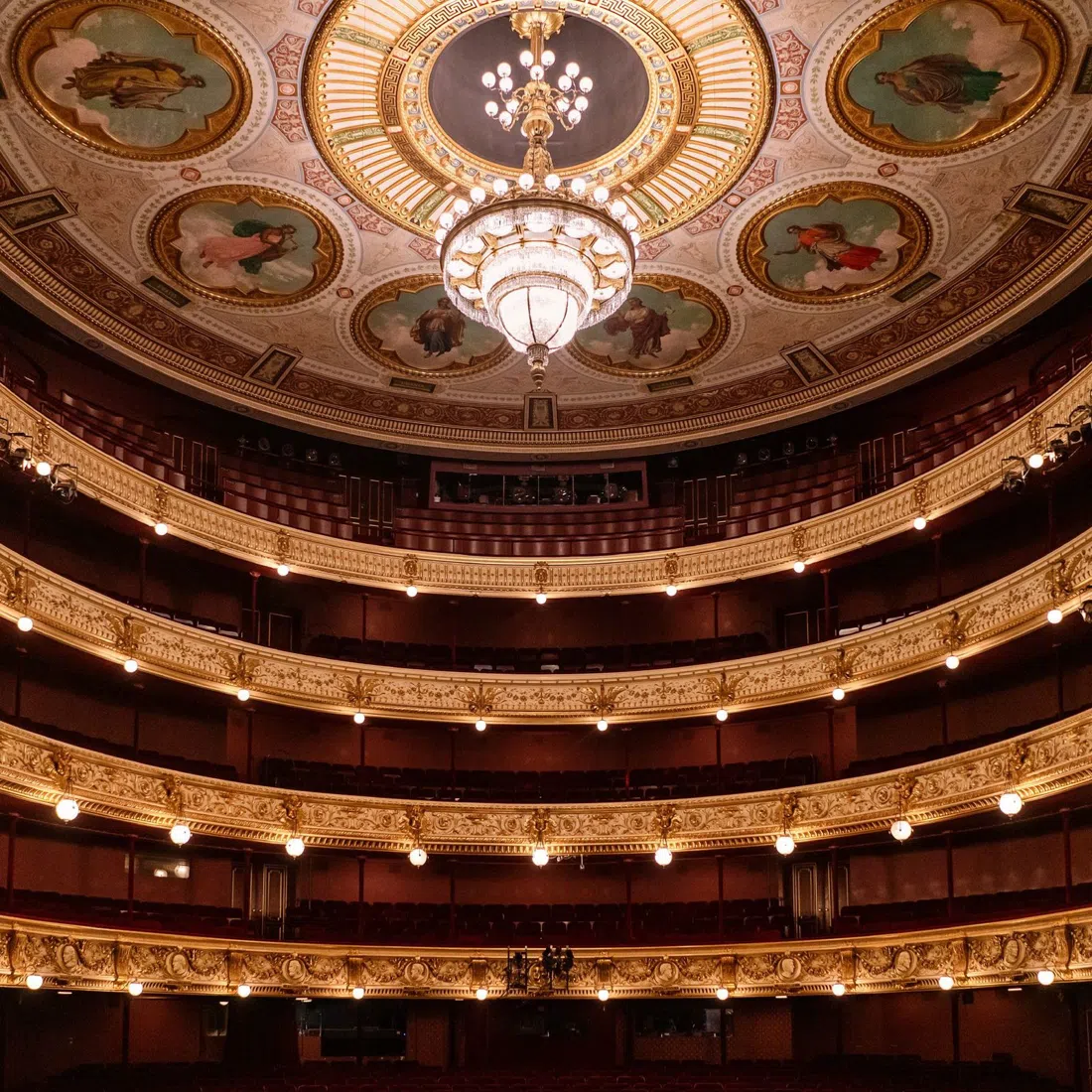
Biljetterna kostar från cirka 175 DKK till 900 DKK och uppåt, och gruppbokningar görs via Det Kongelige Teater snarare än i biljettkassans kö. Om du inte ska se något är foajén och terrassen öppna för icke-biljettinnehavare, och terrassutsikten tillbaka över hamnen i skymningen kostar ingenting. Trafikplanen för 2026 minskar dock operaturerna något på sommarens helger, när båtarna behövs för den allmänna turtätheten, så bekräfta att shutteln går på ditt datum snarare än att anta det.
Bad och cykling på den södra sträckan
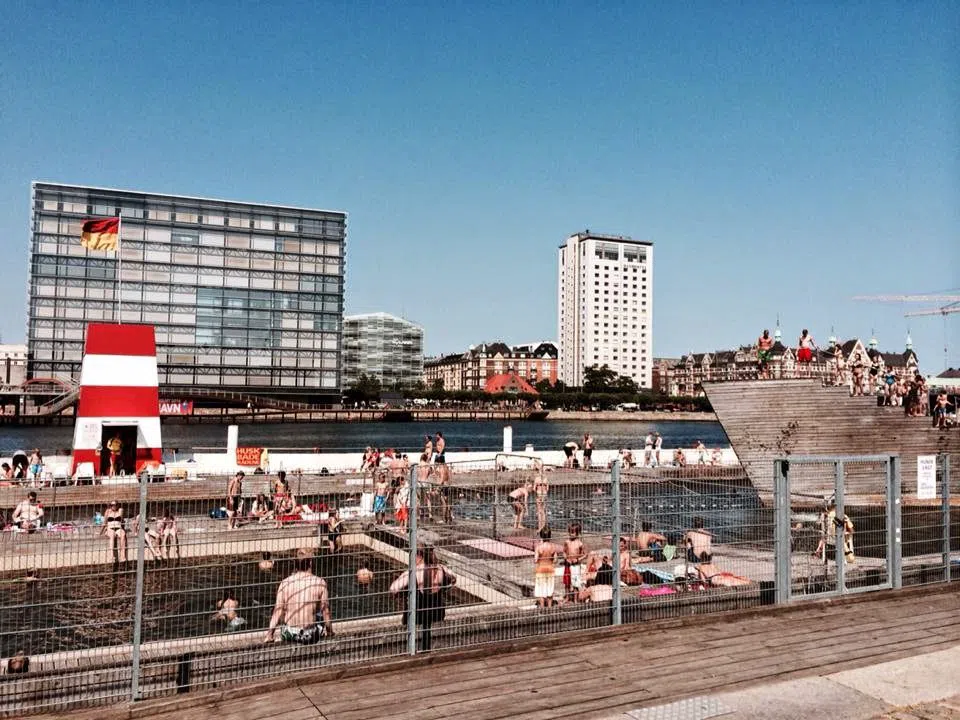
Söder om centrum ändrar hamnen karaktär. Islands Brygge Havnebadet (hamnbad och färjehållplats, Islands Brygge) är en PLOT/BIG-design från 2003 och det som gjorde bad i en fungerande hamn normalt. Fem bassänger inklusive en femmeters hoppplattform, gratis, ingen bokning, kapacitet cirka 600, vilket innebär köer på riktigt varma dagar. Grupper bör komma före lunch eller acceptera väntan. Det ligger direkt intill 991:ans och 992:ans ponton, så en köpenhamnare kan lämna kontoret, kliva av båten och vara i vattnet inom en minut. Gör det en gång så börjar staden att vara logisk.
Cykelslangen (cykelbron, upphöjd cykelbro mellan Kalvebod Brygge och Havneholmen) är en två minuters cykeltur och värd att bygga in i dagen om du har en cykel; uthyrning kostar från cirka 100 DKK om dagen. Dissing+Weitlings 2014-bana kröker sig över Gasværkshavnen och bär cirka 12 000 cyklister om dagen, och ersätter en rutt som tidigare tvingade cyklister att bära sina cyklar nerför en trappa. Cykla i enfil och håll rätt hastighet. Pendlare använder den i hög fart, och att stanna mitt på för att ta ett foto ger dig en ringklocka och en blick.
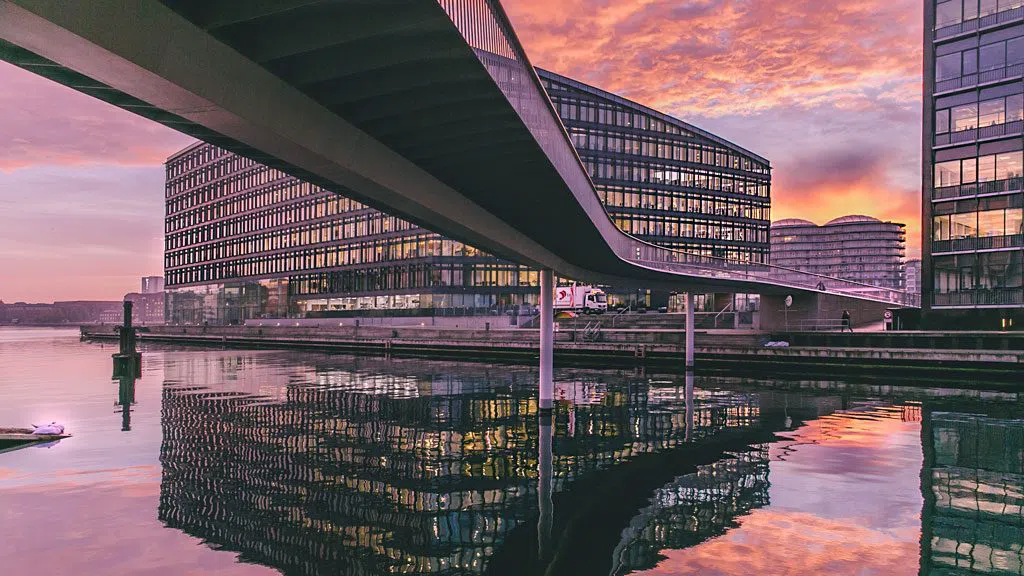
Sluseholmen och Teglholmen (kanalstadsdel, södra hamnen) är färjans bortre ände och den del som besökare aldrig når. Sjoerd Soeters och Arkitema byggde konstgjorda öar på grävda kanaler med cirka 1 150 lägenheter, ett medvetet lån från holländsk kanalöplanering, och det är fritt att utforska utan kapacitetsproblem men med få bekvämligheter för stora grupper. Det finns inte mycket att göra här, vilket är precis varför det är intressant: det här är en pendlarstadsdel som byggs utåt från vattnet, och du ser det hända. Femton minuters promenad räcker.
Metron följer färjan under jord
Köpenhamns metro (linjerna M1, M2, M3 Cityringen och M4, över hela staden) är motvikten till allt ovan. Förarlös, helt stegfri, dygnet runt, ingen tidtabell värd att läsa. Samma zonbiljetter från cirka 25 DKK, Copenhagen Card gäller. För grupper som rör sig sent, efter sista båten eller efter en konsert, är det helt enkelt svaret.
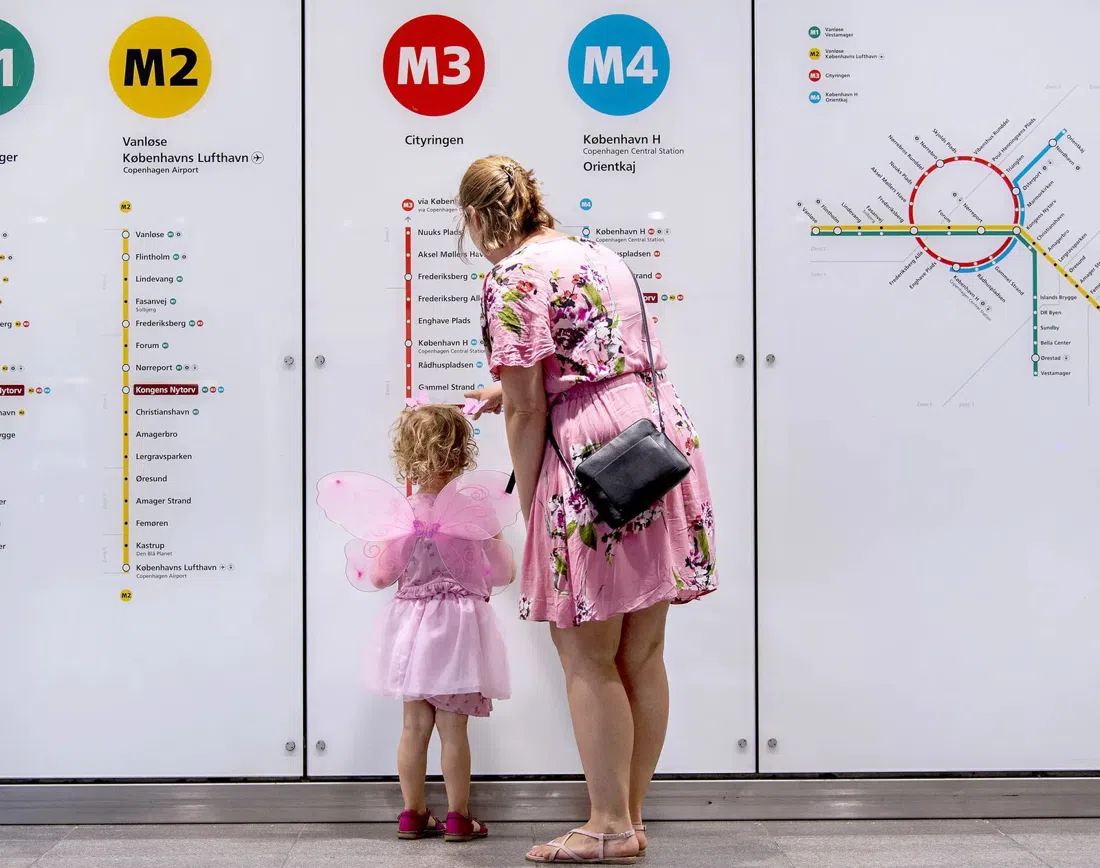
Den användbara detaljen för den här resan är att M4 förlängdes den 22 juni 2024 genom Havneholmen, Enghave Brygge, Sluseholmen och Mozarts Plads ner till København Syd. Metron går nu under den södra hamnfärjelinjen. Så åk båt åt ena hållet och tunneln tillbaka, så får du samma resa två gånger i två hastigheter: tjugofem minuter på öppet vatten, sedan åtta minuter av ingenting alls.
Sex bokstäver och en gemensam kärna
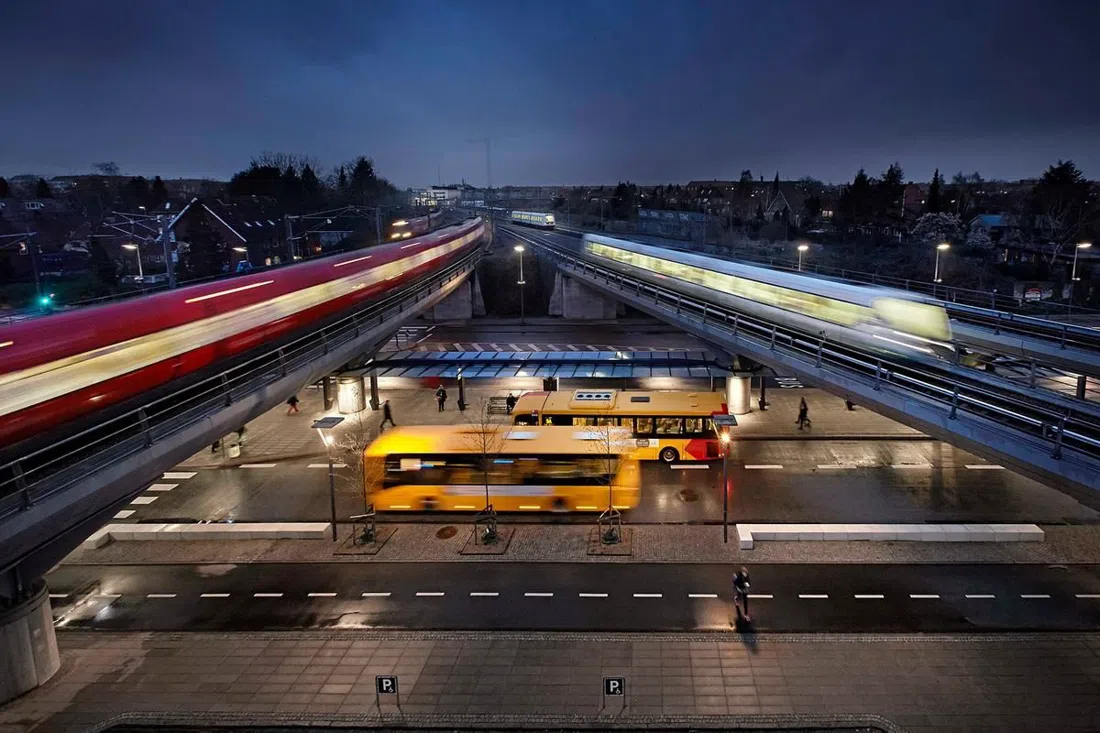
DSB S-tog (S-tågsnätet, linjerna A, B, Bx, C, E, F och H) är den andra halvan av systemet. Sex linjer med bokstavsbeteckningar strålar ut från centrum (A till Hillerød, B till Farum, C från Klampenborg till Frederikssund, E från Holte till Køge, H till Ballerup, och F som ringar in Ringbanen runt de inre förorterna), och de går med några minuters mellanrum genom den gemensamma kärnan, vilket är varför ingen i den här staden kollar avgångstavlor. Kom och åk. Enkelbiljetter för två zoner börjar runt 25 DKK; ett City Pass Small som gäller i 24 timmar kostar cirka 90 DKK och betalar sig själv på fyra resor.

Det finns gott om ståplats och flerfunktionsutrymme för grupper, med ett ärligt undantag: undvik 07:00–09:00 och 15:30–17:30 om du bär bagage. Du får plats, men du kommer inte att vara populär. Värt att veta när du åker: DSB skrev i januari 2026 på ett avtal värt 3 miljarder euro med Siemens och Stadler om 226 förarlösa tågsätt, så föraren i förarhytten har ett synligt bästföredatum och systemet du åker med 2026 är på väg bort.
Två stationer som förklarar staden
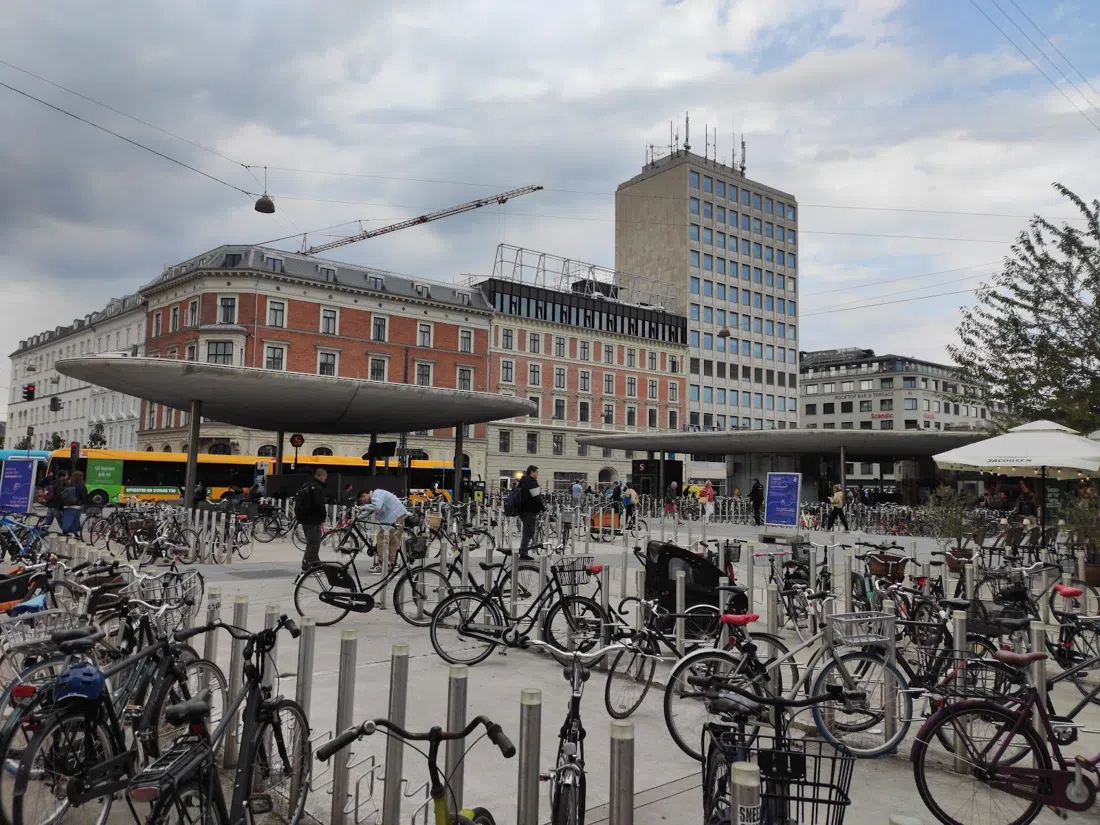
Nørreport Station (bytespunkt, mellan gamla stan och sjöarna) är Danmarks mest trafikerade, cirka 250 000 människor om dagen, och den enda plats där S-tåg, metro, regionaltåg, bussar och cykelstaden kolliderar på ett enda torg i gatunivå. Cobe och Gottlieb Paludan byggde om den mellan 2011 och 2015, medvetet suddade ut stationsbyggnaden så att själva övergången blev arkitekturen. Det finns ingen hall, bara ett torg du går över. Det är en fungerande mötesplats men rejält trångt, så namnge en specifik paviljong istället för "stationen" eller så kommer du att tillbringa femton minuter i telefon.
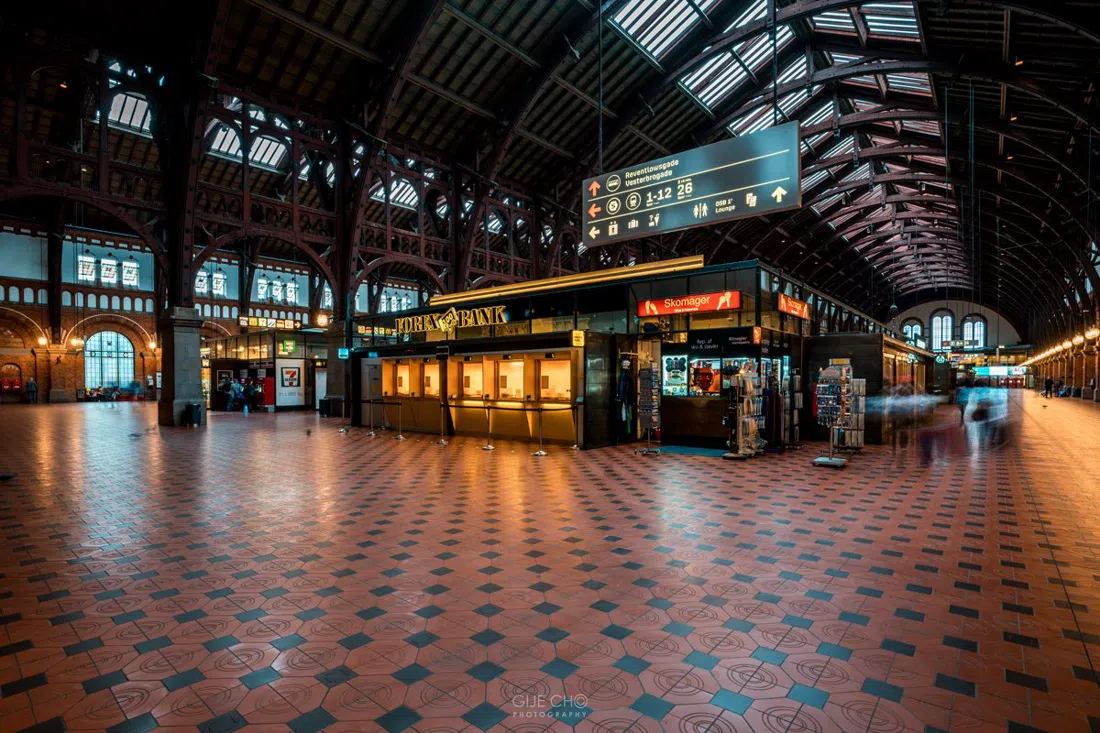
København H (Köpenhamns centralstation, bredvid Tivoli och Vesterbro) är den motsatta instinkten. Heinrich Wencks trävalv från 1911 är fortfarande stadens vackraste transportinteriör, och det är knutpunkten där pendelnätet möter flygplatsen och den svenska sidan. Fri entré, bemannad, med stora bagageskåp och en bred hall som passar grupper som anländer tillsammans. Flygplatståget kostar cirka 40 DKK. En varning att skriva in i dina anteckningar: en modernisering i etapper från 2025 till 2028 håller på att ta bort hälften av butikspaviljongerna, så räkna med byggstaket och omdirigerad skyltning under hela 2026. Titta upp på taket och ignorera bottenvåningen.
Där pendellinjerna blir dagsutflykter
Klampenborgs station (norra ändpunkten för linje C) ligger tjugo minuter från centrum och cirka 40 DKK för ungefär tre zoner, och förvandlar ett pendeltåg till ett landståg. Två minuters nedförsbacke ligger Arne Jacobsens Bellevue Beach; tio minuter inåt landet genom Jægersborg Dyrehave, med sina cirka 2 000 rådjur, ligger Bakken, världens äldsta nöjespark, gratis att komma in i från slutet av mars till början av september plus höst- och julsäsonger, med åkattraktioner som betalas separat. Vilken gruppstorlek som helst försvinner in i skogen. Det här är den bästa enskilda halvdagsutflykten utanför staden på en tågbiljett.
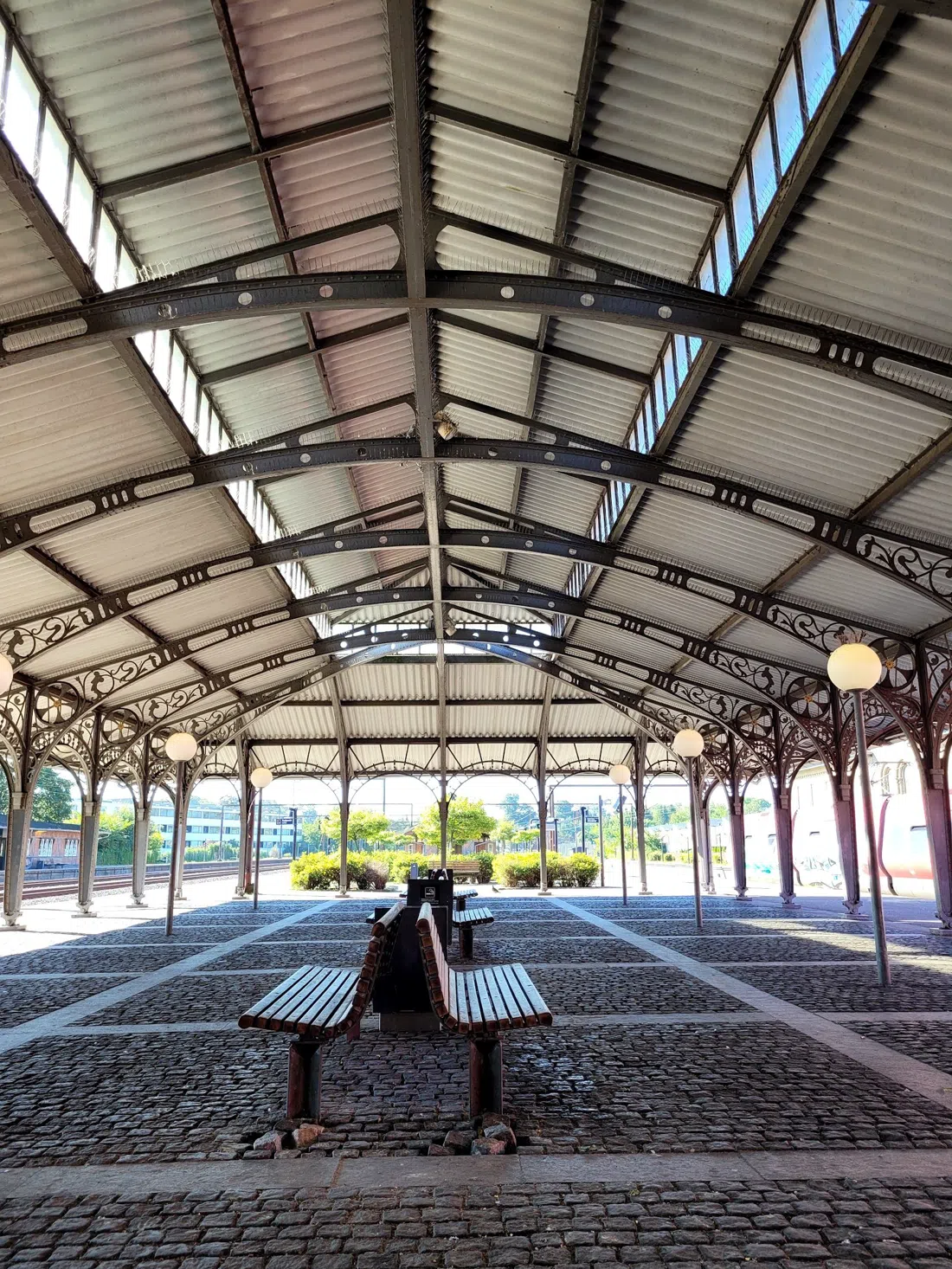
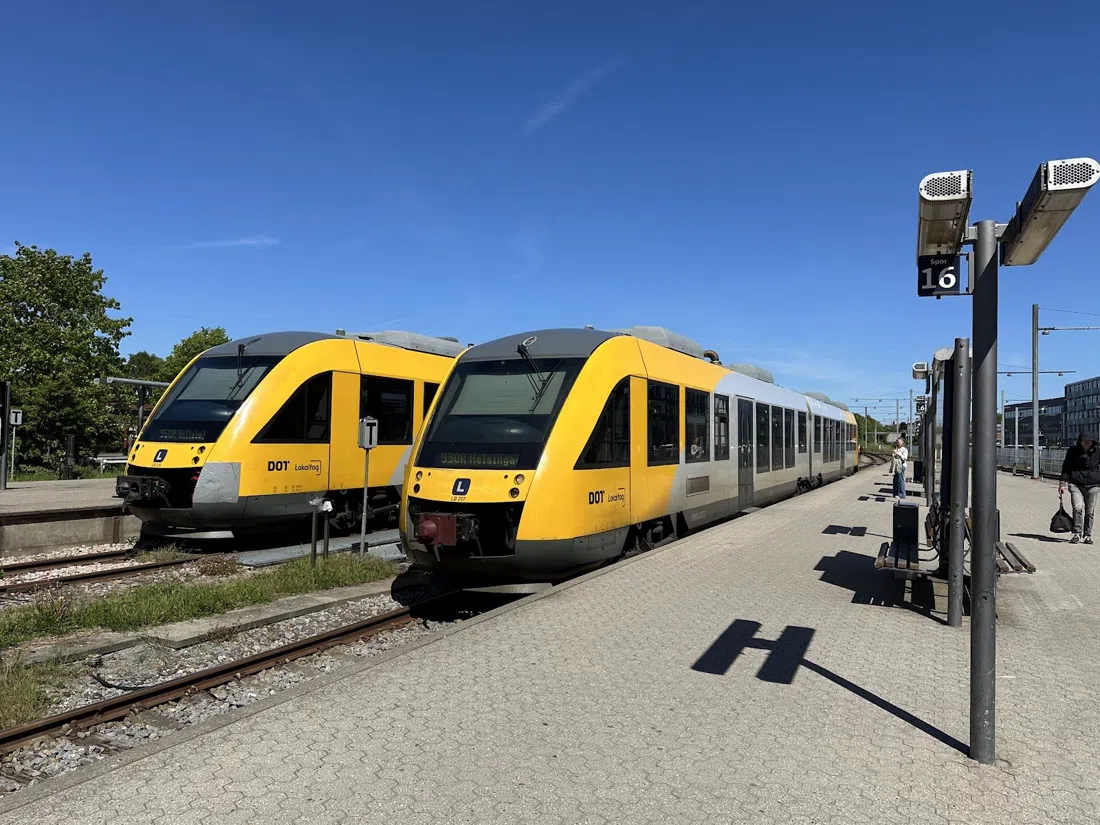
Hillerøds station (långt ute på linje A) ligger cirka 35 minuter bort och en 15-minuters promenad från Frederiksborgs slott, som ligger på tre sjöar och tar cirka 100 till 130 DKK i inträde, med särskild gruppavgift. Biljettpriser från centrala Köpenhamn ligger på 60 till 110 DKK beroende på biljetttyp. Två saker att kolla innan du bestämmer dig: en fullständig stationsombyggnad pågår till slutet av 2026, och Lokaltog Gribskov-linjen som också slutar här drabbades av en frontalkollision den 23 april 2026, så titta på Rejseplanen innan du förlitar dig på vidare lokala förbindelser.
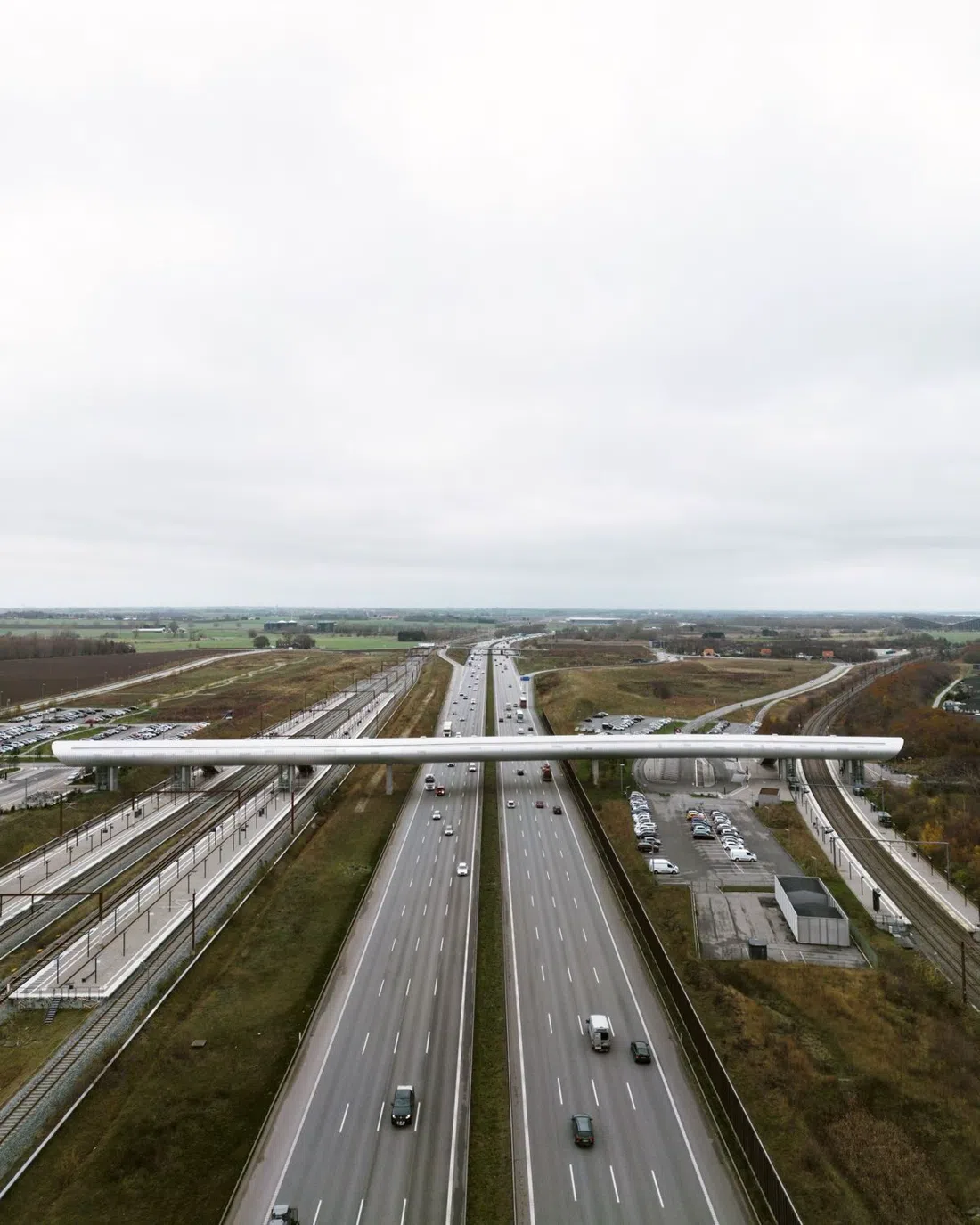
Køge Nord station (linje E, i södra kanten av nätverket) finns här enbart för själva överfarten. Cobe och Dissing+Weitlings bro från 2019, nominerad till EU:s Mies van der Rohe-pris, syr ihop höghastighetståg, S-tåget, park-and-ride och Danmarks mest trafikerade motorväg till ett 225 meter långt träklätt rör. Det är gratis, öppet dygnet runt, och cirka 60 DKK från staden. Gå dit för utsikten ner längs infrastrukturen och hoppa sedan på tåget igen.
Kystbanen (Kustbanan, regionaltåg längs Öresundskusten) är en pendeltrafik som råkar köra en av norra Europas finaste kustutsikter över sina 14 stationer. Gå av i Humlebæk och promenera tio minuter till Louisiana, som 2026 visar Sophie Calle, Lucian Freud och Arthur Jafa tillsammans med den permanenta Giacometti-salen och skulpturparken ovanför vattnet. Runt 120 DKK tur och retur, inträde cirka 155 DKK, inga reservationer behövs, och museet tar emot gruppbokningar i förväg. Avsätt en hel eftermiddag.
Att passera en gräns på en pendelbiljett
Öresundståg (gränsöverskridande trafik till svenska sidan) går var 15:e till 20:e minut och för runt en halv miljon resor i veckan, drivet nästan helt av löne- och bostadsklyftan mellan de två sidorna av sundet. Det tar cirka 35 minuter och kostar 100 till 120 DKK enkel väg, hoppa på utan bokning.
Var realistisk kring två saker. Svensk ID-kontroll är fortfarande i kraft i Hyllie, antingen på perrongen eller ombord, så alla i sällskapet behöver pass eller nationellt ID-kort. Inga undantag, och ett foto på telefonen duger inte. Och turtätheten är max sex tåg i timmen på grund av plattformskapaciteten vid Nørreport, Ørestad och flygplatsen, så det här är ett fullsatt tåg snarare än ett rymligt sådant.
Praktiska anteckningar
Biljetter. Ett biljettsystem täcker båt, buss, tunnelbana och tåg, från cirka 25 DKK för två zoner. Om du åker mer än fyra gånger på en dag, köp ett City Pass Small (24 timmar, runt 90 DKK) eller ett Copenhagen Card. Båda inkluderar hamnbåtarna, vilket är detaljen de flesta besökare missar. Köp i DOT- eller DSB-appen innan du går ombord; båtarna har ingen biljettkassa.
Kontanter. Danmark är i praktiken kontantlöst. Kort och telefoner fungerar överallt, även hos Reffens stånd, och flera ställen tar inget annat. Ge dig inte ut för att leta efter en bankomat.
Tajming. Hamnbåtarna går en längre säsong 2026, från påsk till höstlovet, med vardagsavgångar till 22:00 och helgavgångar till midnatt. Utanför det fönstret är tunnelbanan ditt dygnet runt-alternativ. Undvik tågen 07:00 till 09:00 och 15:30 till 17:30 med bagage, och nå Islands Brygge före middag på varma dagar.
Säsong. Maj, tidig juni och september är den gyllene tiden: båtarna går, hamnbaden är öppna och du slipper köer. Juli är varmt och trångt; februari är grått men Sandkaj har fortfarande badare i sig.
Budget. En hel dag på vatten och räls, med en måltid på Reffen och ett museibesök, landar runt 400 till 500 DKK per person. Lägg till en operabiljett så fördubblas det ungefär.
Var du ska bo. Om du baserar dig nära en hamnhållplats eller en tunnelbanestation på M4 har du allt ovanför vid dörren istället för i slutet av en resa. Börja med en Köpenhamn hotellsökning, och använd vår Köpenhamnsguide för stadsdelarna och maten som fyller i runt dessa överfarter.