The Copenhagen issue
The Roastery City: Copenhagen's Quiet Coffee Revolution and Where to Drink It
Copenhagen taught the world to roast light and pour slow — here's where the city's champion baristas actually stand behind the bar, cardamom bun in reach.
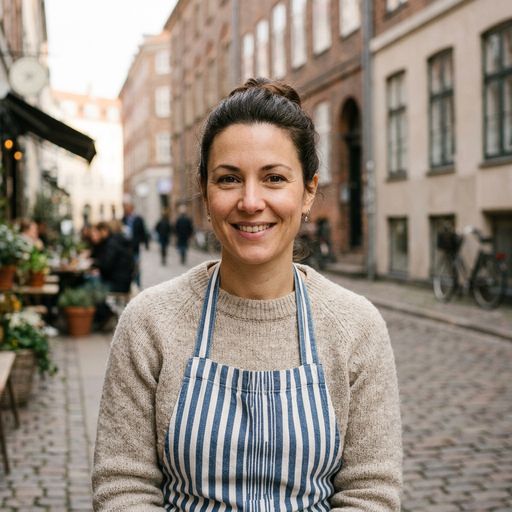
By Chiara NardoneFrom Torvehallerne stalls to the smørrebrød counter
Order a filter coffee in Copenhagen and the first sip will surprise you: it tastes of blackcurrant, or peach, or cold jasmine tea — anything but the bitter char most of the world calls "coffee." That is not an accident. This is the city that rewrote the rulebook on roasting, that produces more World Barista Champions per head than anywhere on earth, and that will happily charge you 50 kroner for a single espresso and make you feel it was a bargain. What follows is where to drink it, who's pouring, and which bun to order alongside.
Why Copenhagen coffee tastes like fruit, not fire
The Nordic light roast is a philosophy before it's a flavour. Where an Italian or French roaster pushes the bean dark — trading the coffee's origin character for a uniform, bittersweet, chocolatey depth — Copenhagen's roasters stop the roast early, deliberately, to keep the delicate acids and the aromatics of the raw green bean intact. The result is a cup that reads as tea-and-fruit: bright, clean, sometimes startlingly juicy, with a body lighter than you expect. If your only reference point is a supermarket espresso, your first proper Copenhagen filter will taste almost like a different drink. That's the point. Drink it black, at least once, before you reach for milk — the milk is a comfort, but the fruit is the story.
One practical note before you set off: nearly all of these are small rooms. Copenhagen coffee culture is built around compact, counter-first bars, not sprawling grand cafés. That shapes everything — where a couple can linger, where a group of six will feel in the way, and where you simply order, drink, and move on. I'll flag it venue by venue.
Plan your Copenhagen trip
Live prices from our booking partners.
Free cancellation on many rooms. We may earn a commission when you book.
The pioneer that set the template
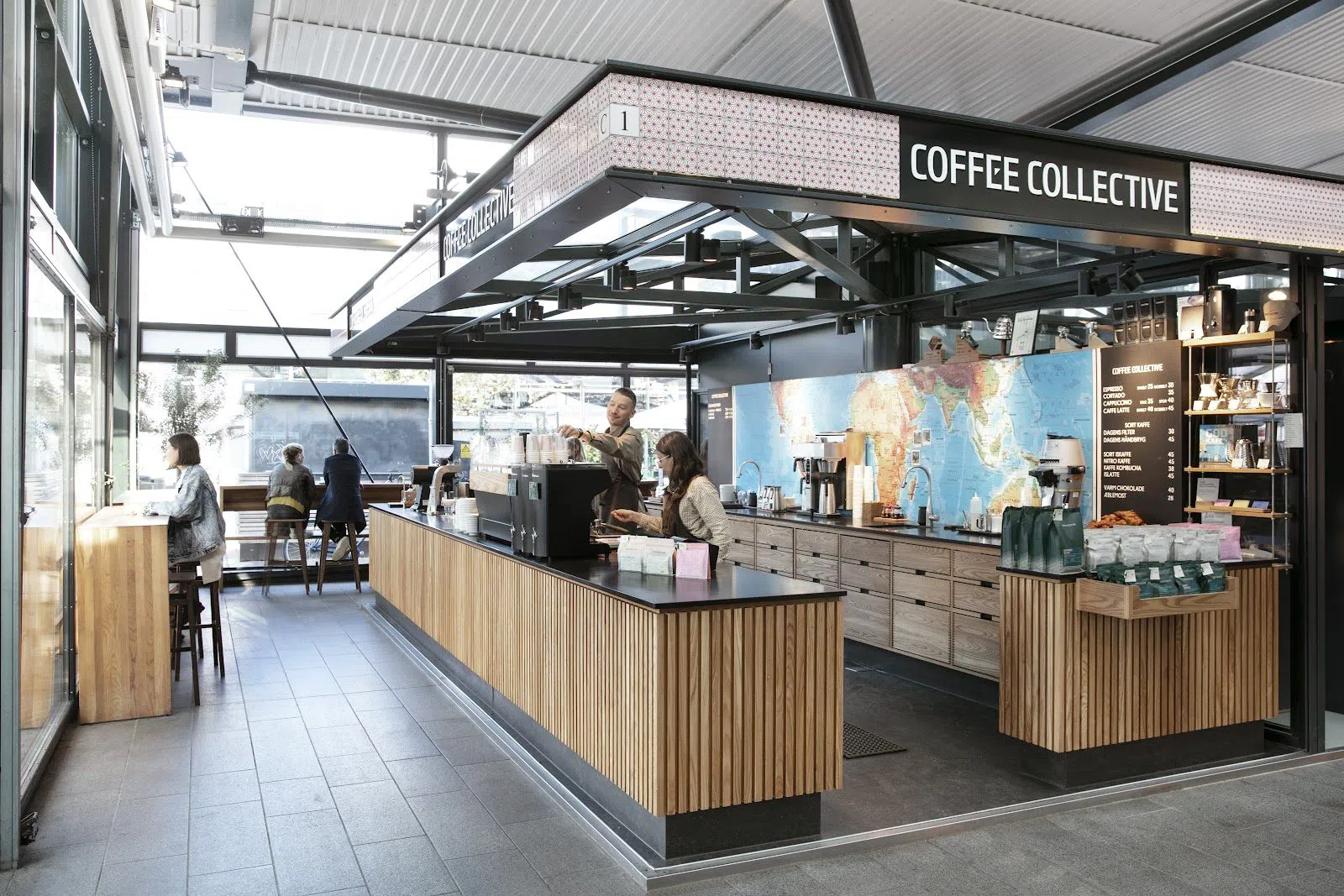
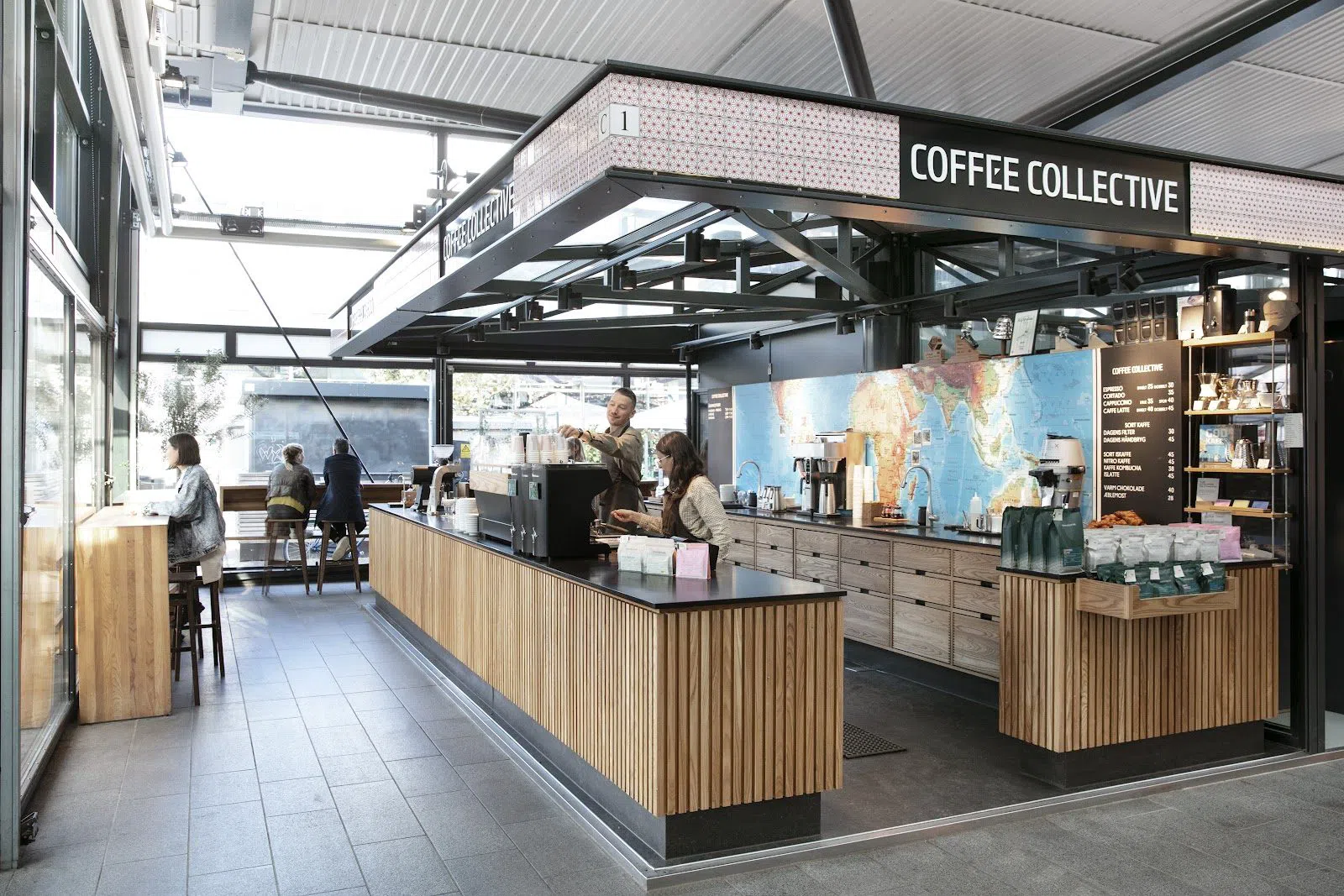
Every coffee story in this city starts at the same address, or rather three of them. The Coffee Collective (Nørrebro, plus Torvehallerne and the Godthåbsvej roastery) is the Danish direct-trade pioneer — the roaster that established the Nordic light-roast style as the city's gold standard and still, two decades on, sets the bar everyone else is measured against. The Jægersborggade bar is the spiritual home: a tiny, permanently busy walk-in where the queue is part of the ritual and a cup runs around 40–55 DKK. There are no reservations, so don't arrive as a party of eight expecting a table — groups are welcome standing or at the communal tables, but you take the room as you find it. If you want a proper sit-down education, book onto one of their public cuppings; that's the format that actually suits a small group, and it's the single best hour you can spend understanding why this city's coffee tastes the way it does. Come here first. Everything else makes more sense after.
The microroasters who took the baton
The generation that followed the Collective turned Copenhagen from a city with one great roaster into a city of them.
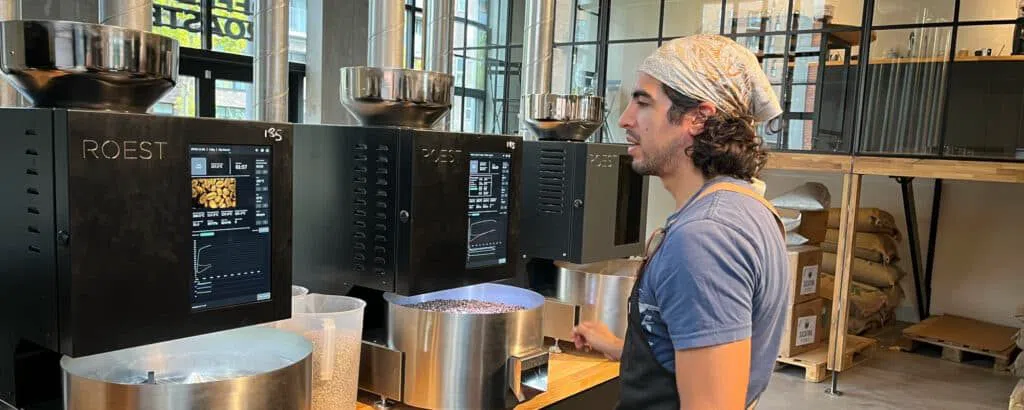
Prolog Coffee (Kødbyen, with a roastery on Refshaleøen) is the definitive second-wave name — founded in 2016 by a pair of ex-baristas, now a certified B Corp and one of the most awarded roasters in the country. The Kødbyen bar, tucked into the old meatpacking district, is a compact, easy walk-in where small groups are no trouble; a cup sits in the 40–55 DKK band. If you're travelling with coffee people who want more than a quick flat white, the Refshaleøen roastery can host cuppings and tastings on request — ask ahead rather than turning up hopeful.
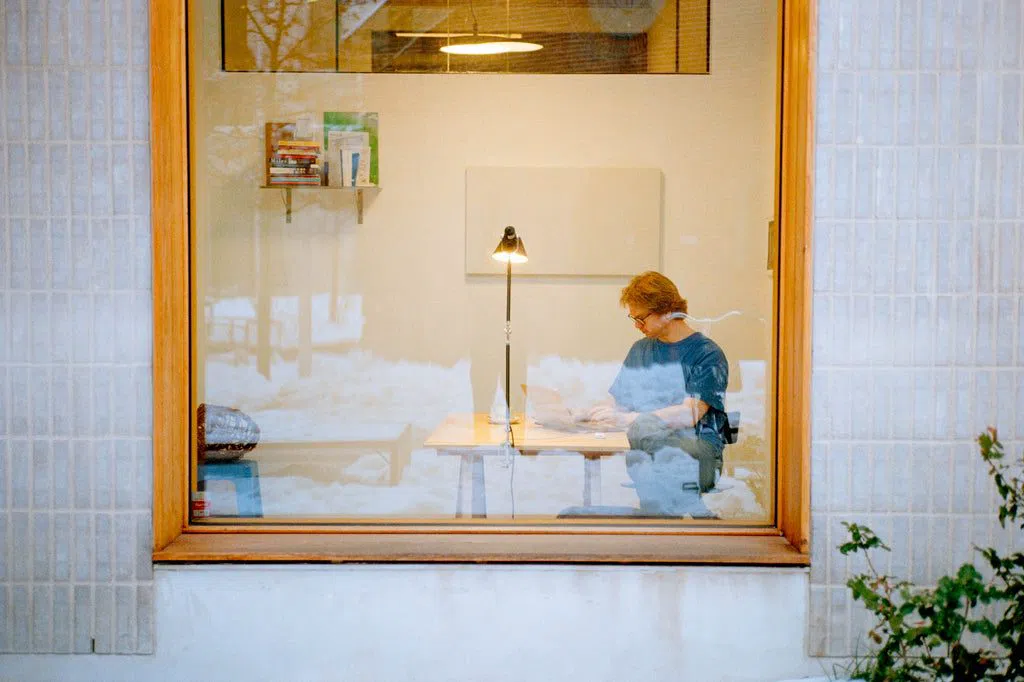
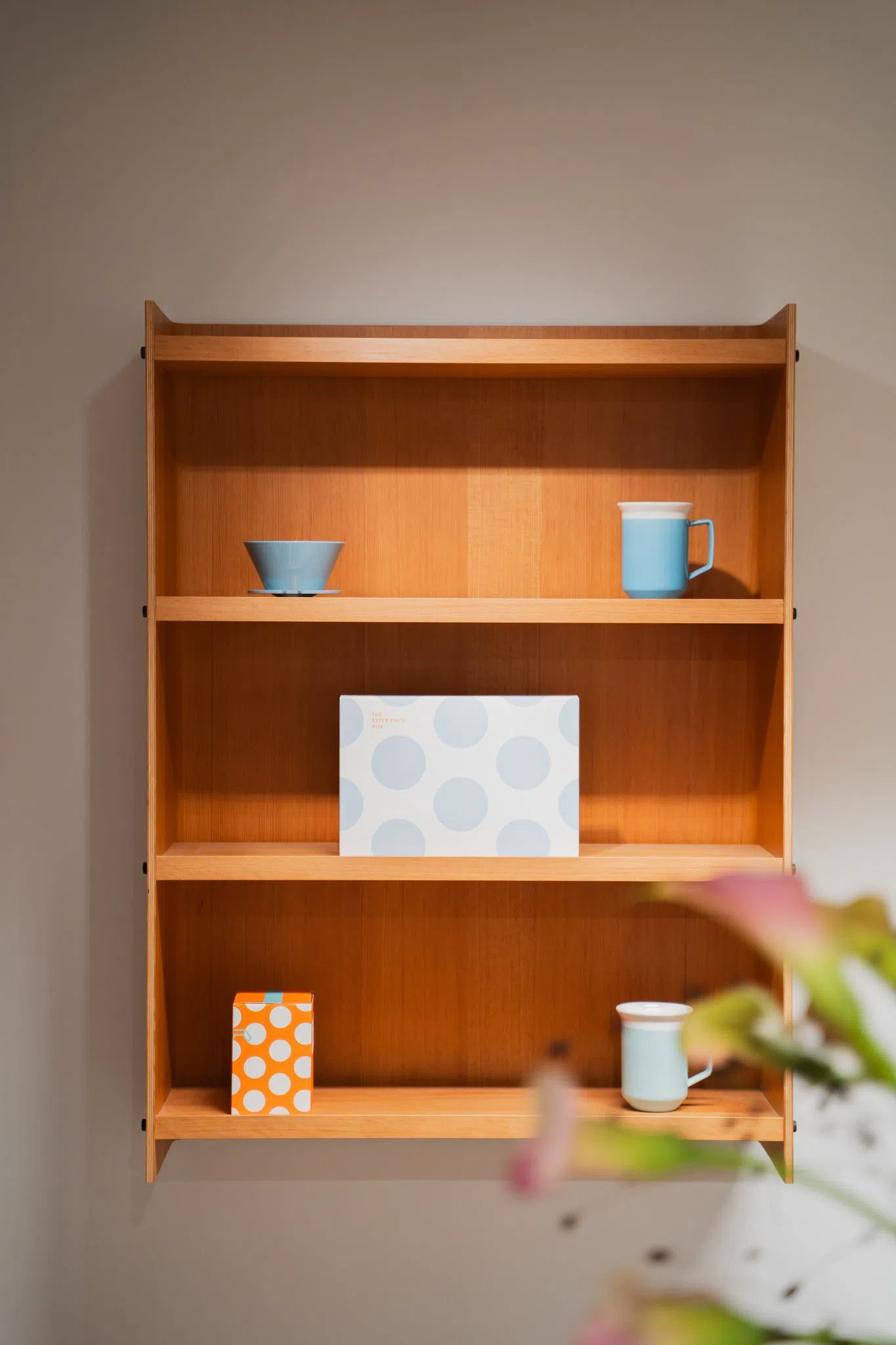
For the purest expression of the Copenhagen ideal, cross the water to April Coffee Roasters (Refshaleøen, with a second store on Ryesgade in Nørrebro). This is Patrik Rolf's project, and his roasting is competition-grade in the most literal sense — meticulous, exacting, chasing an ultra-clean cup that tastes of tea and stone fruit and almost nothing you'd call "coffee-ish." The waterside showroom-café is calm and design-led, which makes it a genuine pleasure for a pair or a small group but a poor fit for a boisterous party of eight. Expect to pay a touch more here — around 45–65 DKK a cup — and consider it money well spent on the platonic ideal of the light roast.
Rounding out the roaster tier is ROAST (bars on Vestmannagade, Studiestræde, Ved Vesterport and Pladehals Allé), a direct-trade specialist that's been roasting since 2014 and quietly earned its place as the reliable third name behind the Collective-and-Prolog axis. The bars are relaxed, walk-in, and — usefully — the larger sites can actually accommodate a group without anyone feeling squeezed. A cup runs 40–55 DKK. If the marquee names have queues out the door, ROAST is never a compromise; it's just less shouted about.
Taste the whole city in one sitting
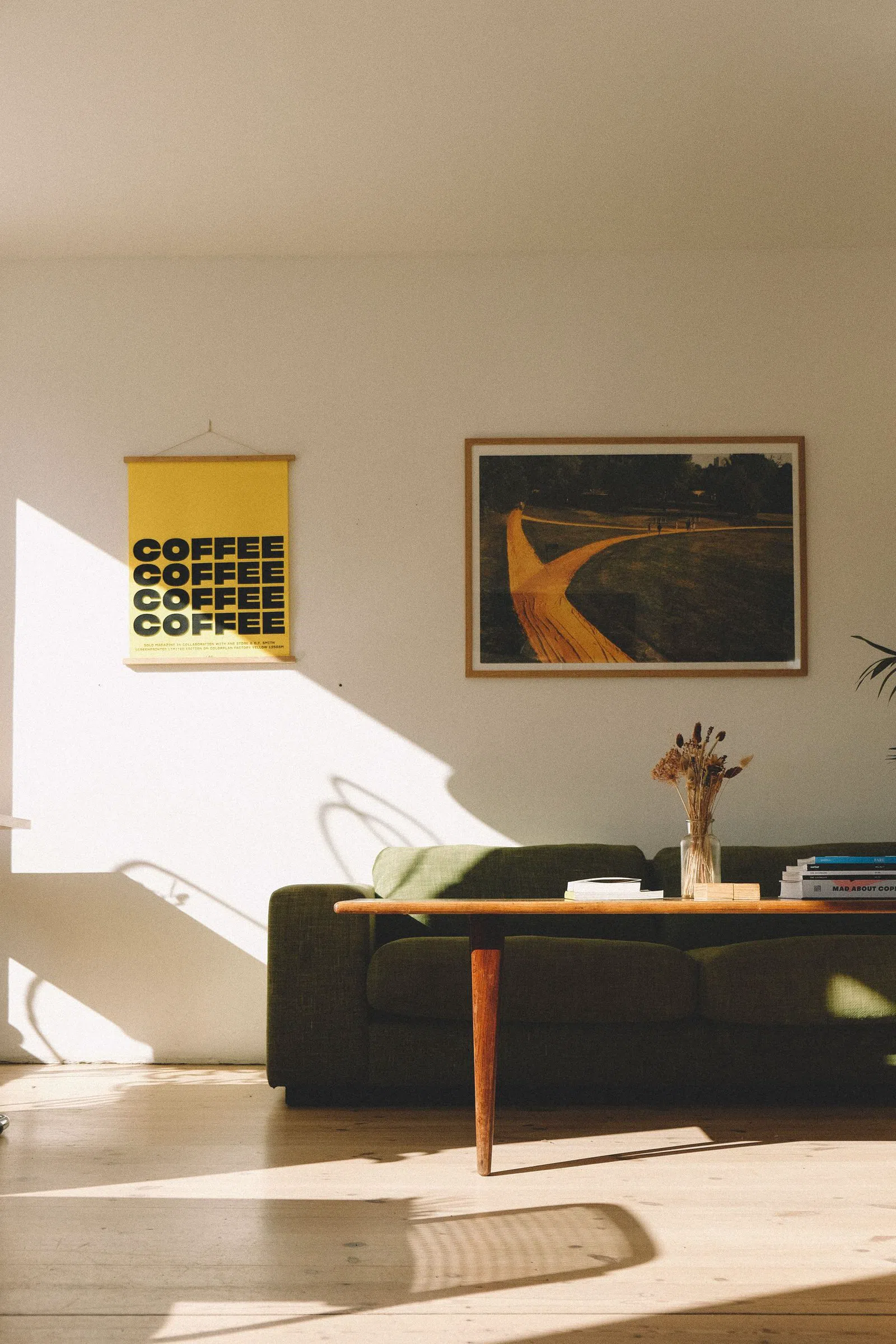
Here's the move for anyone short on time or long on curiosity. Darcy's Kaffe (Rantzausgade in Nørrebro, plus a Vesterbro site and a counter inside Copenhagen Contemporary) is a rotating multi-roaster — a bar where you can taste beans from the world's best roasters, Danish and international, side by side in a single sitting. Rather than committing to one roaster's house style, you get the whole scene at one counter. The rooms are snug, so small groups are fine but larger ones are best off-peak; a cup runs 45–60 DKK. If you only have one morning and want to understand the breadth of what Copenhagen pours, this is where I'd send you — order two contrasting filters and let the barista talk you through the difference.
The cardamom bun is not optional
No one drinks coffee here on an empty stomach, and the pastry is not an afterthought — it's half the ritual.
Andersen & Maillard (flagship roastery-bakery on Nørrebrogade, plus Nordhavn and city-centre sites) is the coffee-and-pastry powerhouse, the place where the roastery sits behind glass and the counter groans with laminated things. The pairing to order is the classic: a cardamom bun and a cortado, the essential Copenhagen ritual in one sitting. A cup runs 45–60 DKK, pastries roughly 40–70 DKK. It's busy and deservedly popular — groups are welcome, but the seating turns over fast, so this is a stop for a warm bun and a quick, excellent coffee rather than a two-hour anchor.
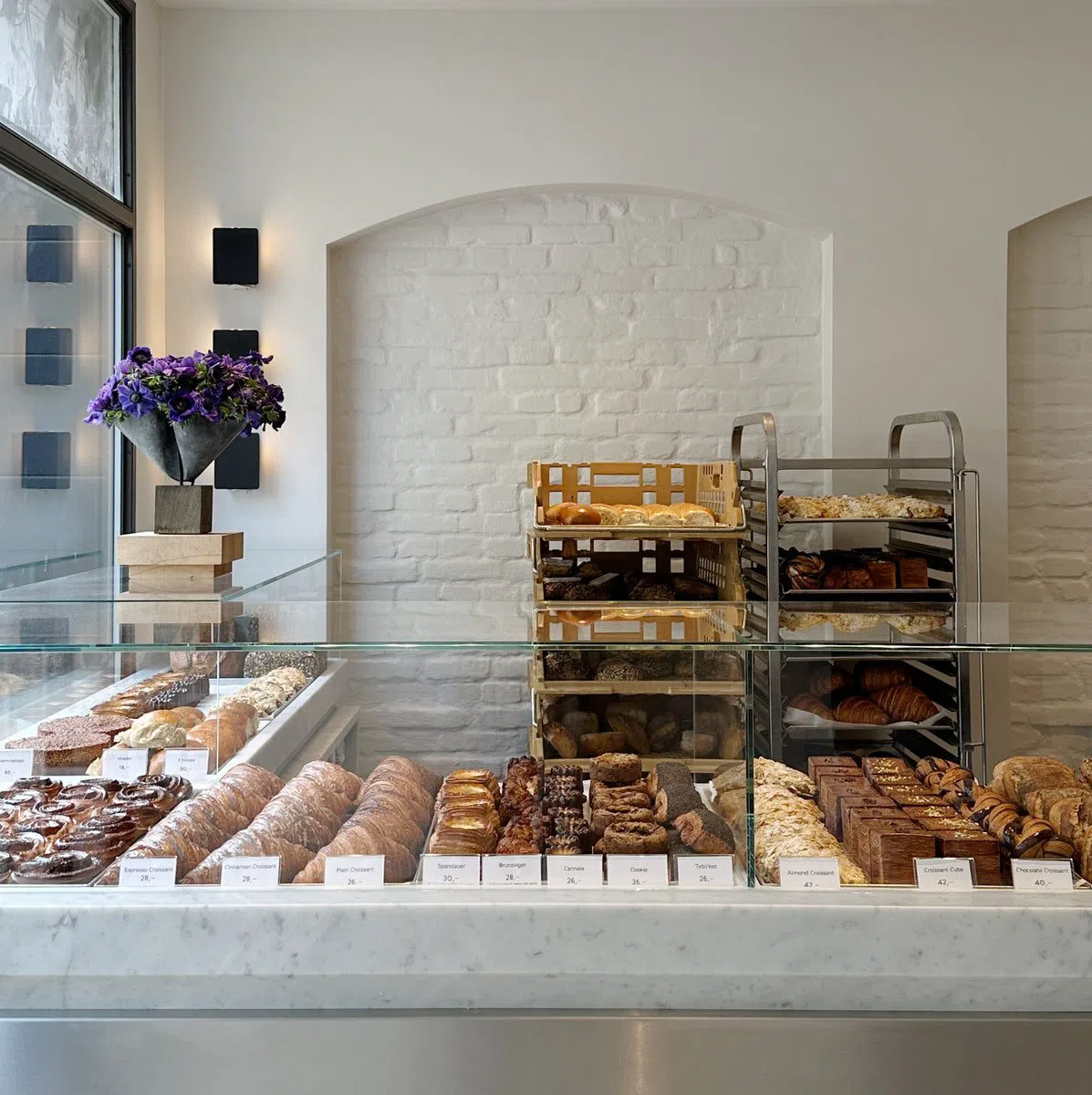
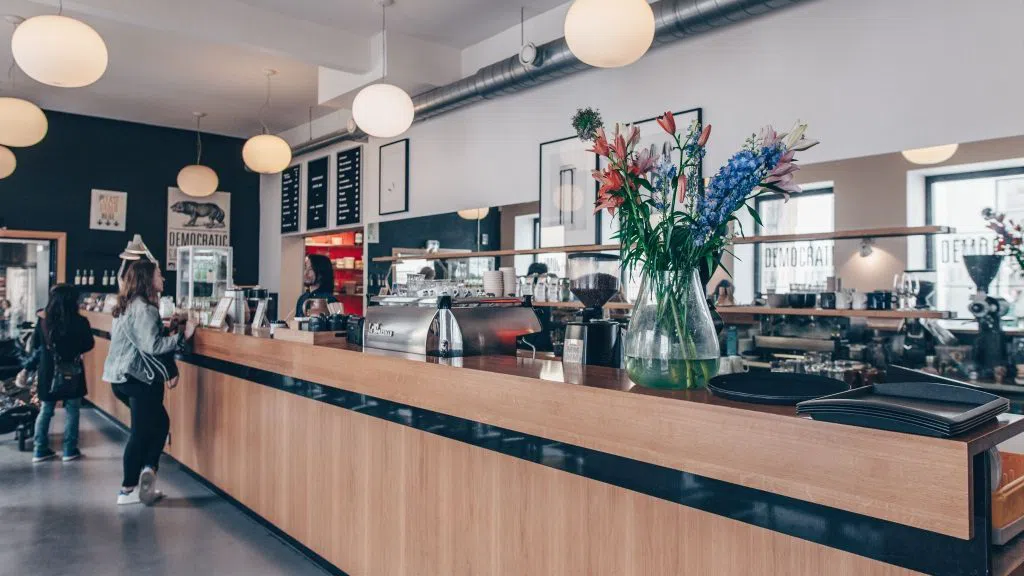
For the other half of the pastry conversation, go to Democratic Coffee (in the foyer of the public library on Krystalgade, city centre). The house-brewed coffee is genuinely good, but people come for the almond croissant — baked twice daily, and the most talked-about croissant in the city for a reason. At around 40 DKK for the croissant and 40–55 DKK for coffee, it's honest value. The library setting is an open, communal space that absorbs a group better than almost anywhere else on this list — the catch is the counter queue, which is often long. Time it away from the lunchtime crush and it's the easiest group stop in town.
Coffee meets design, and a softer corner
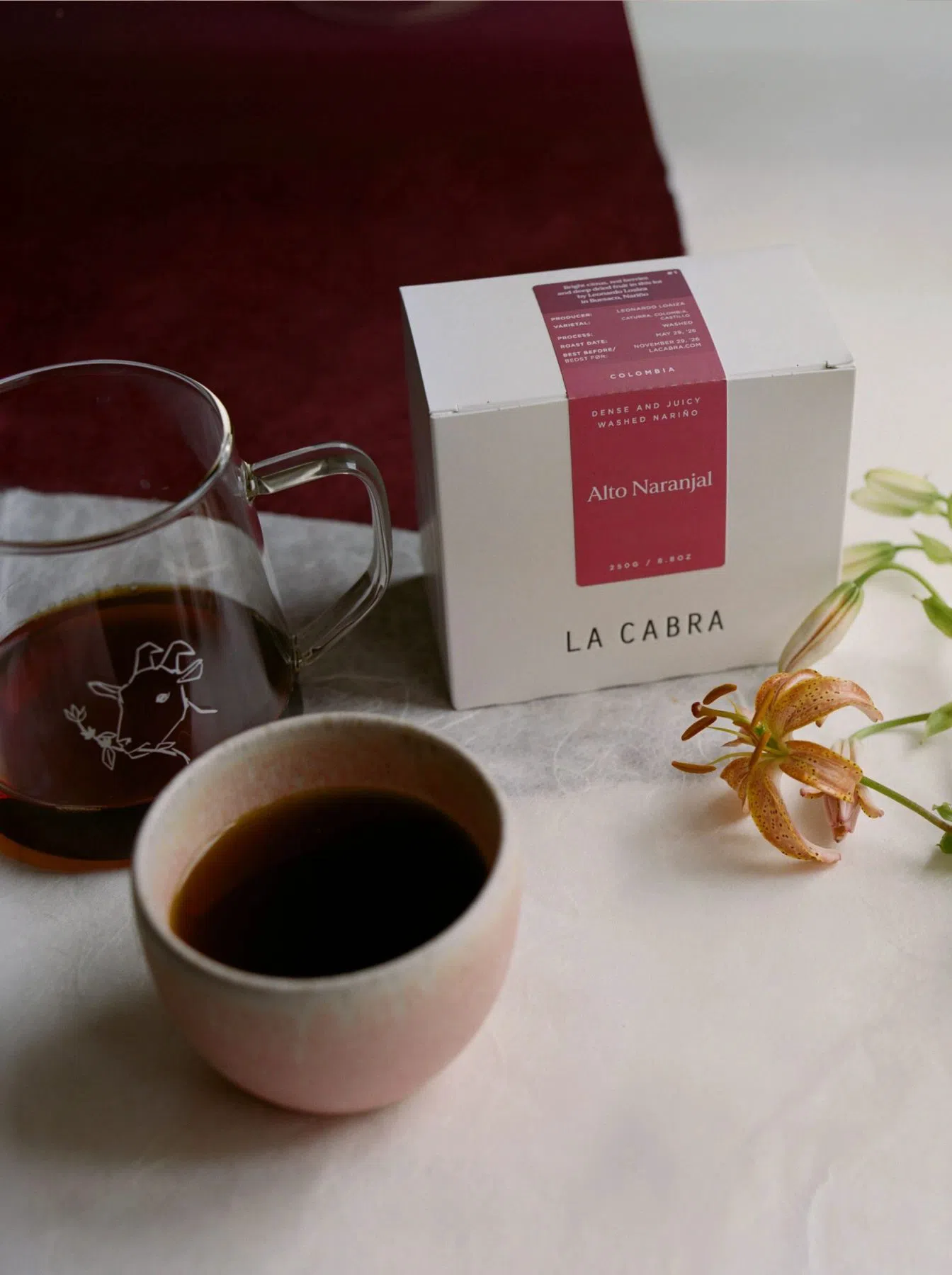
Copenhagen's obsession with design bleeds into its coffee, sometimes literally sharing a floor with it. La Cabra (a coffee bar tucked inside a fashion store in the city centre) is the Copenhagen outpost of a celebrated roaster, and it pours crisp, bright brews in a neat little room that's the definition of the city's coffee-meets-design crossover. It's intimate — best for a pair or a couple of friends rather than a crowd — and a cup sits at 45–60 DKK.
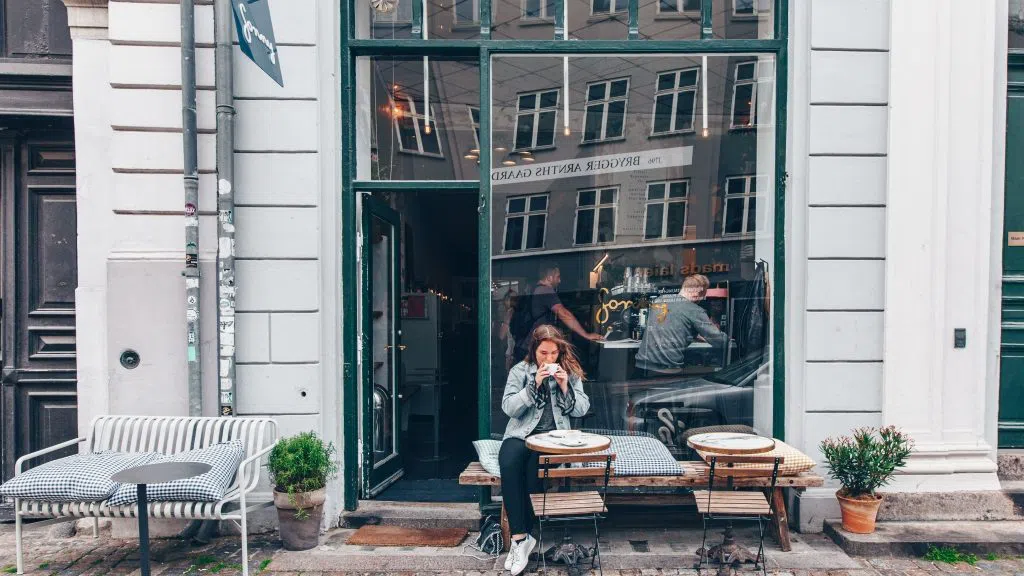
If the clinical minimalism of the scene starts to wear on you, Sonny (city centre) is the antidote. Run by a couple, it's a cosy, all-day café that serves La Cabra and Swedish Koppi beans with a soft, almost Parisian warmth — the human counterpoint to all the polished steel elsewhere. The room is small and fills up at brunch, so it's a lovely spot for a pair or a modest group but not a party. Cups run 45–60 DKK. This is where I'd go to actually sit and talk, not just to worship the coffee.
Walk it: the two great coffee streets
The real pleasure of Copenhagen coffee is doing it on foot, and two streets do the heavy lifting.
In Nørrebro, Jægersborggade is the obvious spine — a narrow, low-slung street where the Coffee Collective's original bar sits among ceramicists, wine bars and bakeries. Start there, drift down the street, and you've got a morning.
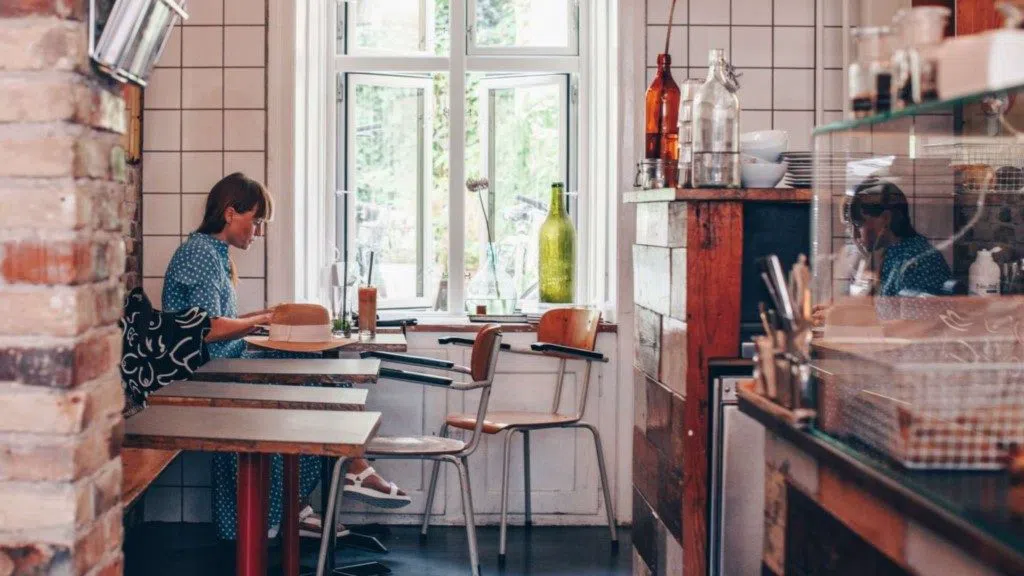
But the crawl isn't Nørrebro's alone. Cross town to Vesterbro and Rist Kaffebar anchors Værnedamsvej, the French-flavoured little street that proves the coffee map runs through Vesterbro just as surely. Rist is very small — a quick-stop espresso bar built for one or two, not a group — so treat it as the pin that starts the Værnedamsvej wander rather than a destination to settle into. A cup runs 40–55 DKK. From there the street's delis, wine shops and florists do the rest.
Coffee with a conscience, out southwest
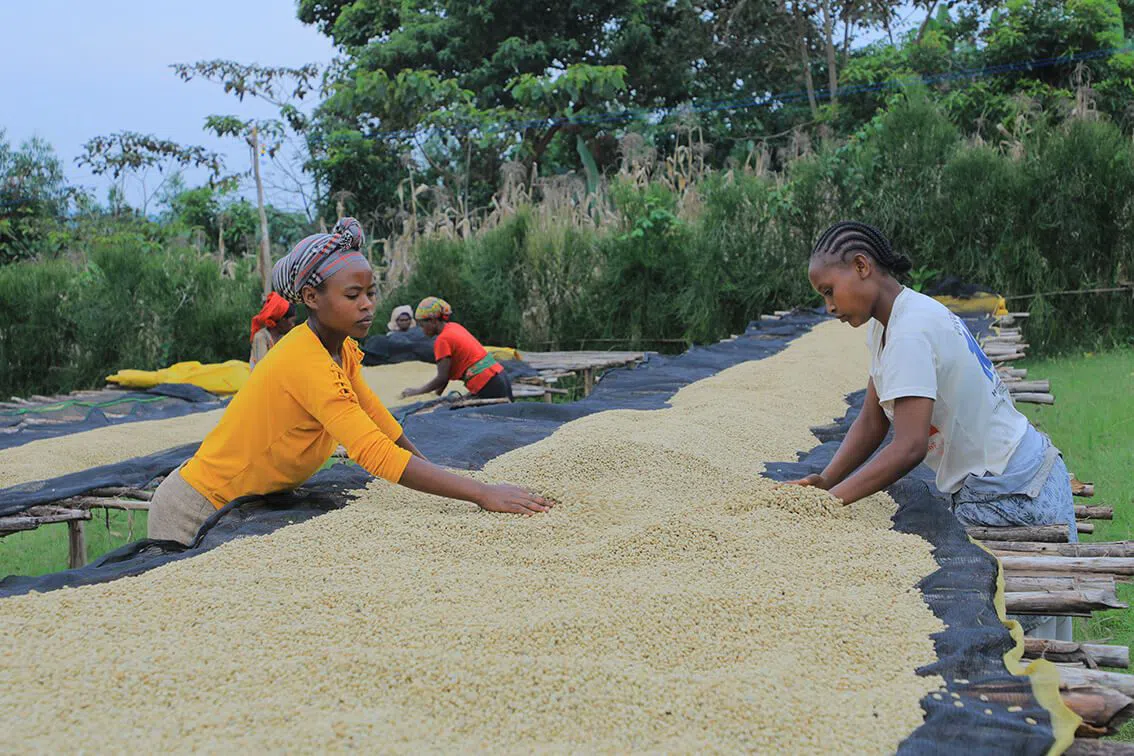
One last stop, and the one that adds a dimension the others don't. Impact Roasters (Carlsberg Byen, plus Langgade and Valby stations) is a social-enterprise roaster sourcing directly from small farms in southern Ethiopia — an origin-and-ethics angle that's more than marketing, and a welcome reason to explore the city's southwest. Practically, the sites are roomier than the cramped inner-city bars, so a group actually fits here in comfort; a cup runs 40–55 DKK. If you want your coffee to come with a clear conscience and a bit of elbow room, this is your address.
Practical notes for the crawl
Getting around. The scene sprawls from Nørrebro to Refshaleøen to Valby, and the honest Copenhagen answer is a bike — the city is flat, the lanes are excellent, and a rented bike turns a three-café day into a pleasure. If two wheels aren't your thing, the Metro and buses cover everything, and Refshaleøen (for April and Prolog's roastery) is a short harbour-bus or cycle hop across the water.
Cash and cards. Don't bother with cash — Copenhagen is effectively cashless, and every bar here takes cards and contactless without blinking. Budget around 40–65 DKK per cup and 40–70 DKK for a pastry; a serious two-café morning with buns will run you a few hundred kroner per person.
Timing. These are small rooms that fill fast on weekend mornings and at brunch. For the marquee names — the Coffee Collective, Andersen & Maillard, Democratic Coffee — arrive before 10am or after 2pm to dodge the worst queues. Cuppings at the Coffee Collective and tastings at Prolog and April need booking ahead; don't leave them to chance.
Groups vs. couples. If you're a pair, the whole city is yours — April, La Cabra, Sonny and Rist reward lingering. If you're a group, lean on the roomier rooms: ROAST's larger bars, Impact Roasters, Democratic Coffee's library foyer, and the Coffee Collective's booked cuppings. And wherever you land, order the coffee black first, then the cardamom bun — in that order.
For somewhere to stay within cycling distance of all of it, start with a Copenhagen hotel search, and for the rest of the city beyond the coffee, our full Copenhagen guide has you covered.
Before you go
Why does Copenhagen coffee taste so light and fruity?
Copenhagen's roasters follow the Nordic light-roast philosophy: they stop the roast early to preserve the bean's natural acids and aromatics, so the cup reads as tea and fruit rather than the bitter char of dark-roasted coffee. Try it black first at a bar like The Coffee Collective or April Coffee Roasters to taste the difference.
Which Copenhagen coffee bar should I visit first?
Start at The Coffee Collective on Jægersborggade in Nørrebro. As the Danish direct-trade pioneer that set the city's light-roast template, it's the anchor of any Copenhagen coffee story — and the rest of the scene makes more sense once you've tasted the original gold standard.
Do Copenhagen coffee bars take reservations or suit groups?
Most are small walk-in bars with no reservations. Couples can linger anywhere; groups are better served by roomier rooms like ROAST's larger sites, Impact Roasters or Democratic Coffee's library foyer. For a proper group sit-down, book a cupping at The Coffee Collective or a tasting at Prolog or April's roastery.
What pastry should I order with my coffee in Copenhagen?
A cardamom bun is the classic pairing — order one with a cortado at Andersen & Maillard for the essential ritual. For the other must-try, Democratic Coffee inside the public library bakes its famous almond croissant twice daily for around 40 DKK.
How much does coffee cost in Copenhagen and do I need cash?
Expect roughly 40–65 DKK per cup and 40–70 DKK for a pastry. Copenhagen is effectively cashless, so leave the notes at home — every coffee bar takes cards and contactless.