The Copenhagen issue
The Art of the Open Sandwich: Copenhagen's Smørrebrød Ritual
A honest, plate-by-plate guide to where Copenhagen builds its open rye sandwiches best — from a 1877 basement to a Michelin-listed brasserie — and how to book each one.
By Chiara NardoneFrom Torvehallerne stalls to the smørrebrød counter
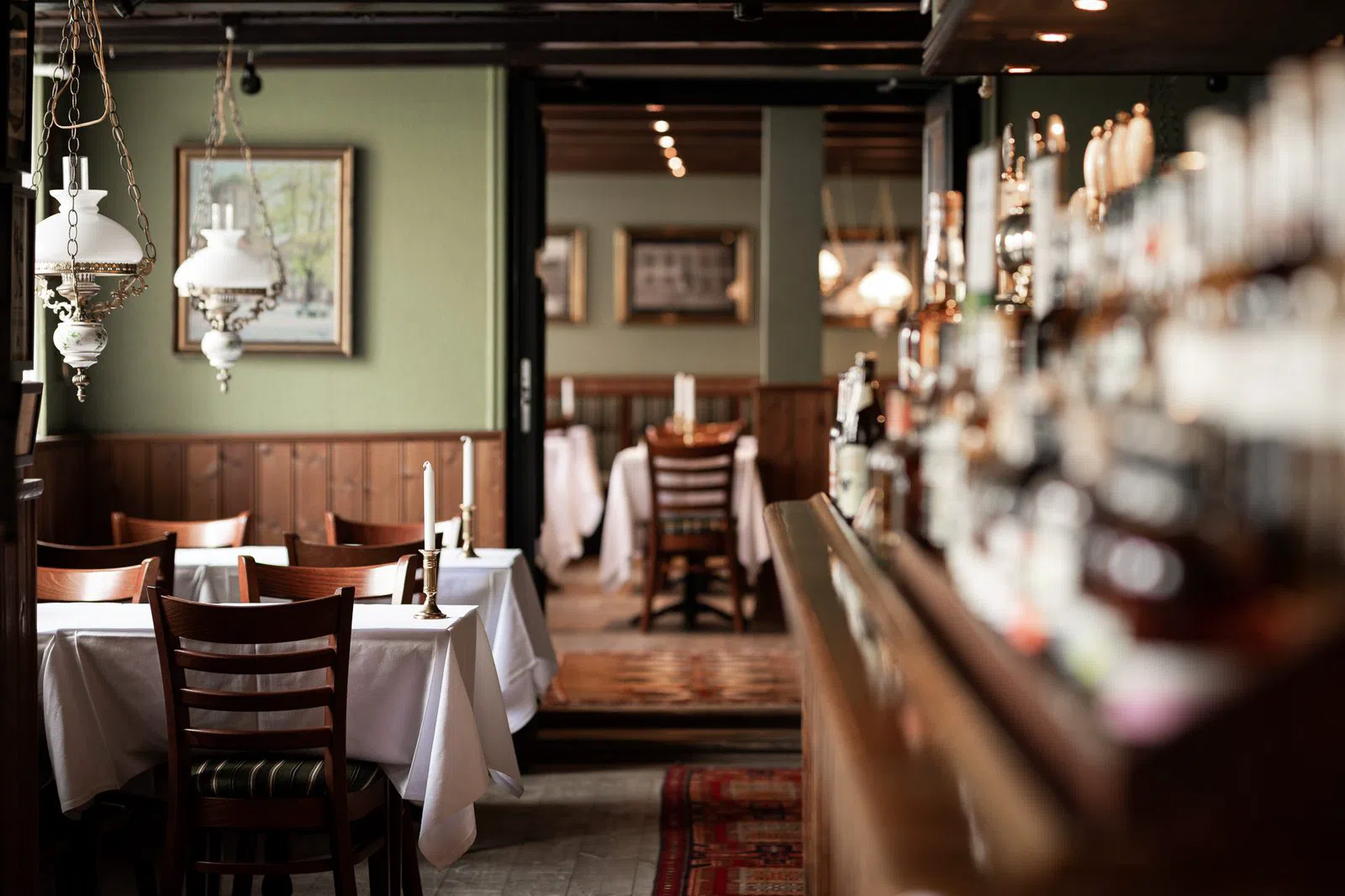
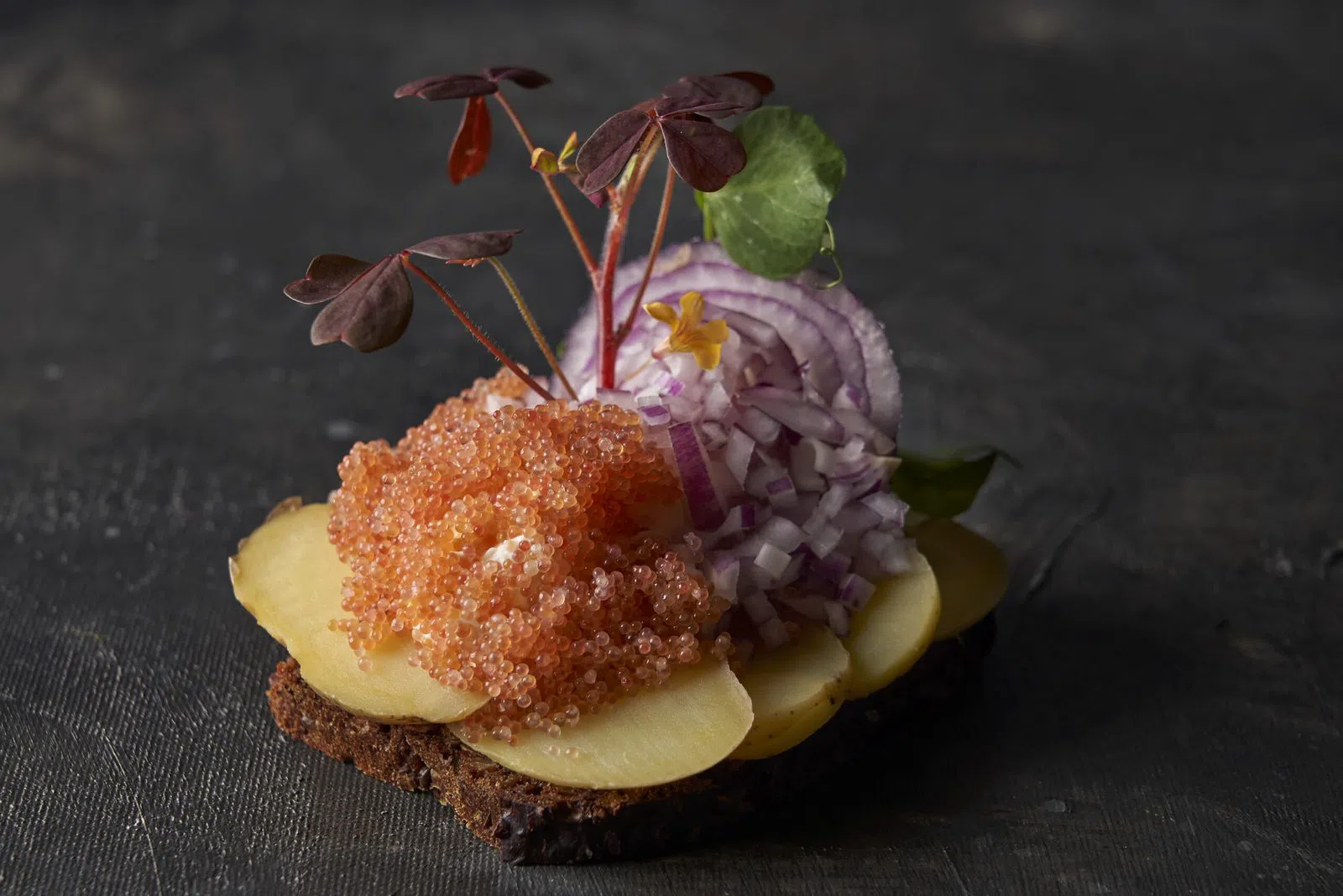
The first thing to unlearn is that smørrebrød is a sandwich you pick up. It is a knife-and-fork proposition: a slab of dense, sour rye pinned under pickled herring, hand-peeled North Sea shrimp or warm breaded plaice, assembled in a fixed order and chased with a thimble of ice-cold caraway snaps. In Copenhagen it is lunch, liturgy and quiet national pride all at once, and it will run you anywhere from 75 to 225 kroner a piece depending on how grand the room is. Get it right and it is one of the great meals in Europe. Get it wrong — a Sunday, an empty room, a fridge-cold prawn — and it is just bread.
This is a lunch city, and smørrebrød is the reason. Below is where I'd send you, sorted the way you'd actually plan a trip: what to book weeks ahead, where to go for atmosphere, where the modern benchmark sits, and where to just walk in. For everything beyond the plate — neighbourhoods, hotels, day trips — start with the Copenhagen guide.
Read the menu before you sit down
A few rules save you from ordering like a tourist. The word itself means "butter-and-bread," and the butter matters: a proper base is rugbrød (rye) smeared to the edges so nothing slides. There's an order to a full lunch — herring first, always, then other fish, then meat, then a scrap of cheese to finish — and you eat each piece with cutlery, not your hands. Herring comes cured a dozen ways: pickled, spiced, curried, or matjes; when a place is proud of one, order it. Snaps (akvavit) is the traditional partner, poured cold in small measures, and the good rooms distil or infuse their own. Prices here are per piece, or stykke, so two to three pieces plus a snaps is a real lunch. Tipping isn't expected on top of the bill. And almost everywhere serious about this closes by late afternoon — smørrebrød is a daytime religion.
Plan your Copenhagen trip
Live prices from our booking partners.
Free cancellation on many rooms. We may earn a commission when you book.
The institutions — reserve weeks ahead
If you do one classic lunch, make it Restaurant Schønnemann (Inner City, near Kongens Nytorv). This 1877 basement is the benchmark against which every other plate in town is measured — worn tables, a snaps list that runs to the hundreds, and herring that has no business being this good. It's the one to build your day around, but it is genuinely tiny and lunch-only (last seatings mid-afternoon, closed by 5pm), and it books out weeks ahead. Come as a pair or a small group and reserve far in advance; this is not a place to arrive with eight people and hope. Expect 120–195 kr a piece, and expect to linger — the whole point is the slow build from herring to snaps to a final sliver of aged cheese.
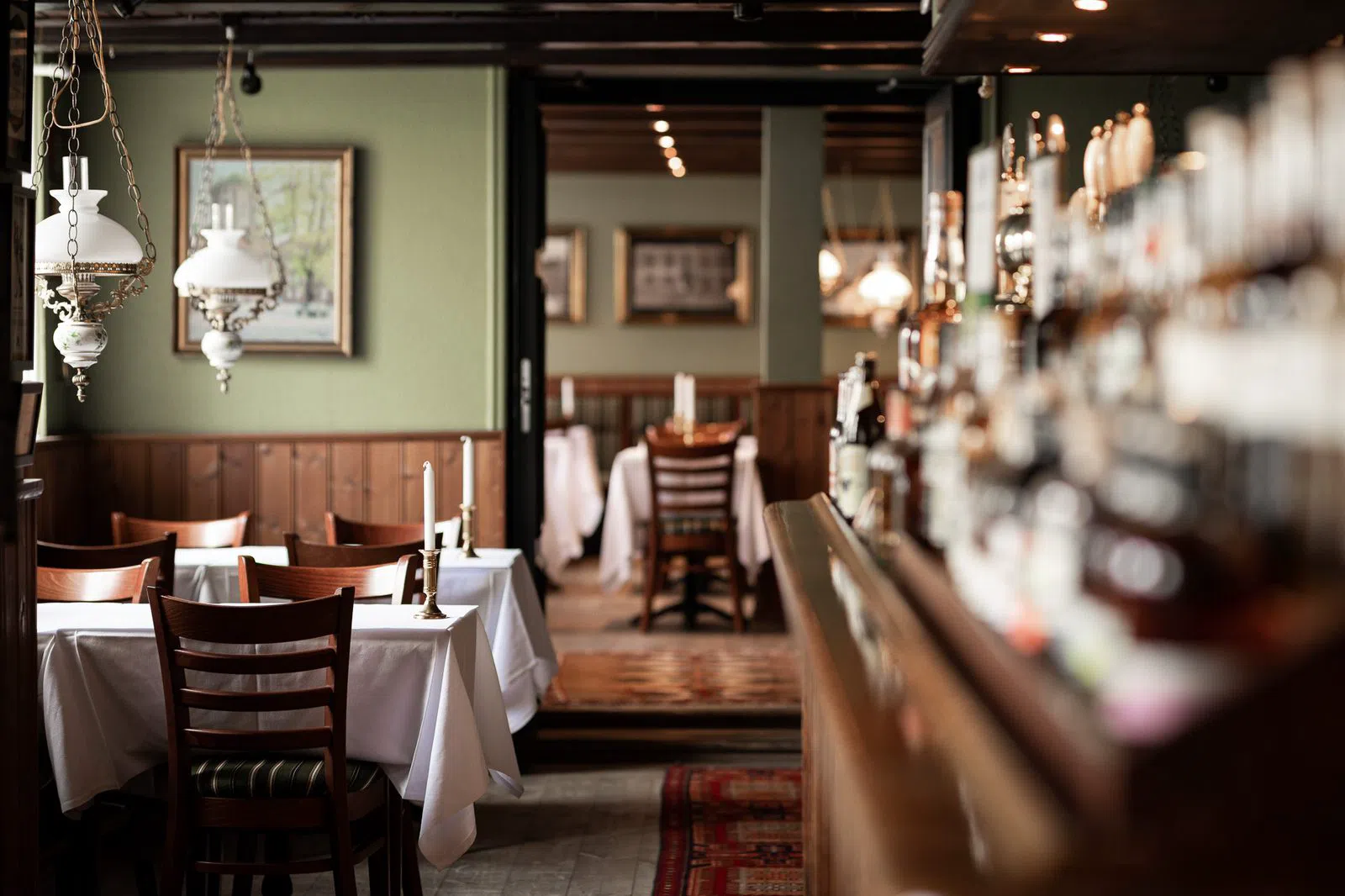
The other name locals reach for is Ida Davidsen (Inner City). Five generations of one family have been making smørrebrød here since 1888, and the menu is famously enormous — the sort of list you read twice and still miss things. The room is intimate and best for couples or small groups, so reserve. Two warnings that catch people out: it's lunch only, Monday to Friday (roughly 10:30–17:00), closed weekends, and it has relocated in recent years — so check the current address and don't turn up on a Sunday expecting a table. Pieces land around 100–200 kr. The house style is generous, old-school and slightly theatrical; go hungry.
Cellars, canal houses and cosy corners
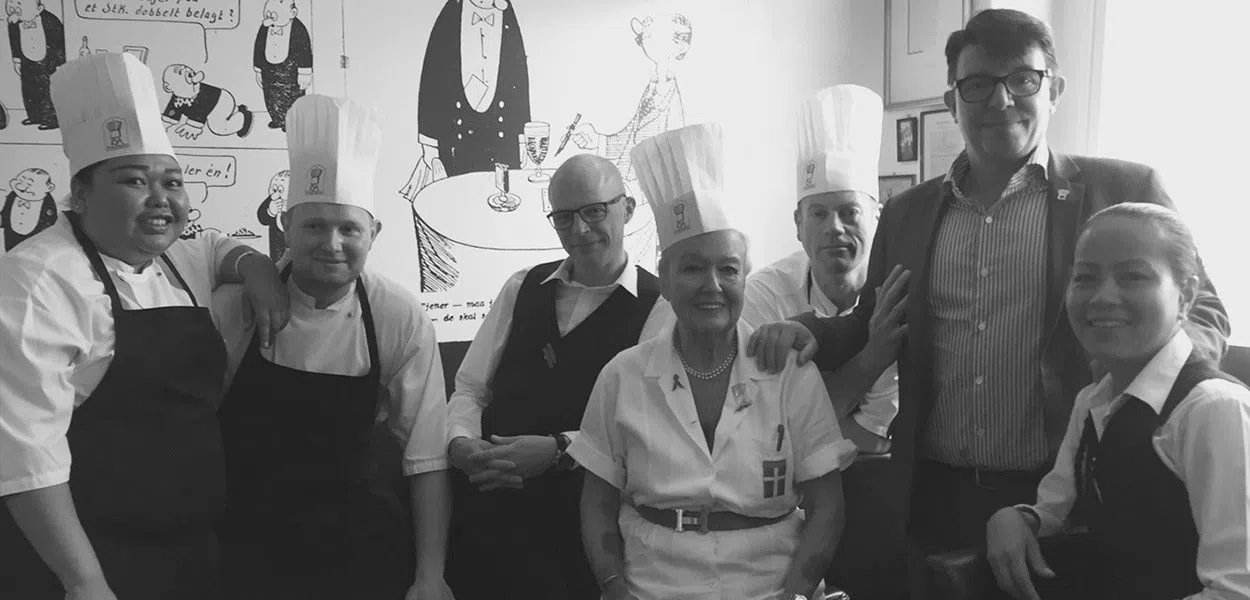
For atmosphere over ambition, Copenhagen keeps a handful of rooms that feel unchanged for a century. Slotskælderen hos Gitte Kik (Slotsholmen, beside the parliament) is the archetype: a small, characterful cellar doing the cold-table classics — herring, the egg-and-shrimp piece, snaps — exactly as they were done generations ago. It suits modest groups, wants a reservation, and closes mid-afternoon. Around 90–160 kr a piece, and worth it for the sense of eating inside living history.
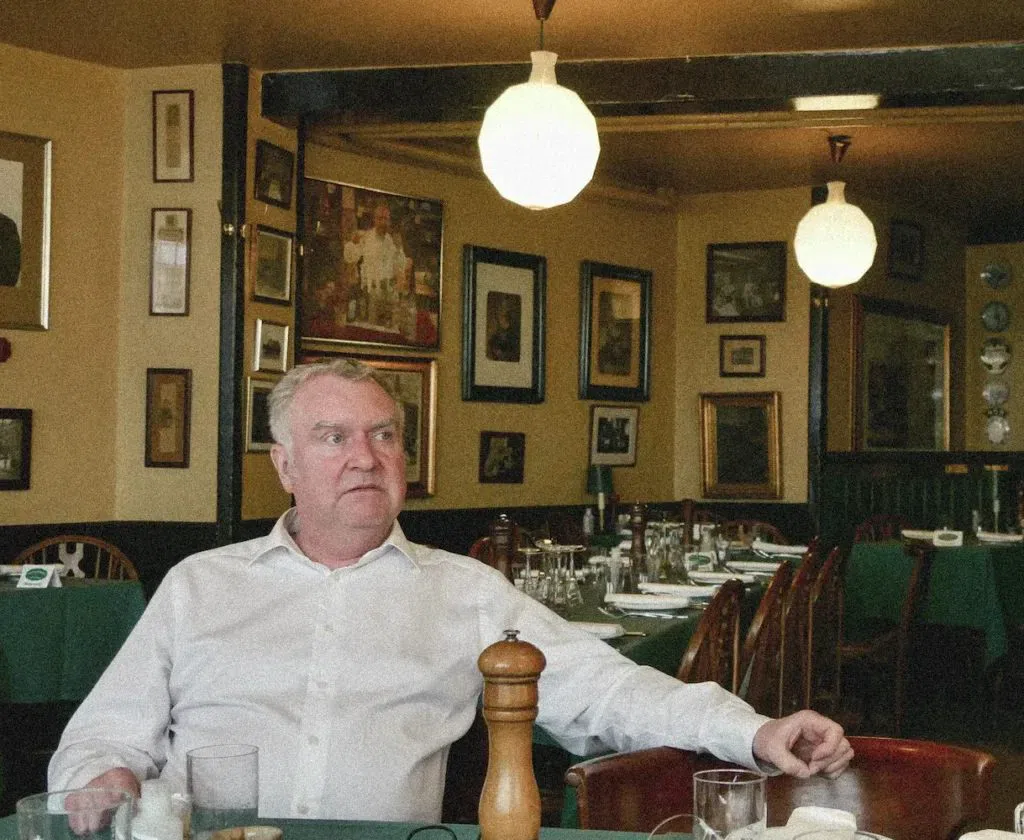
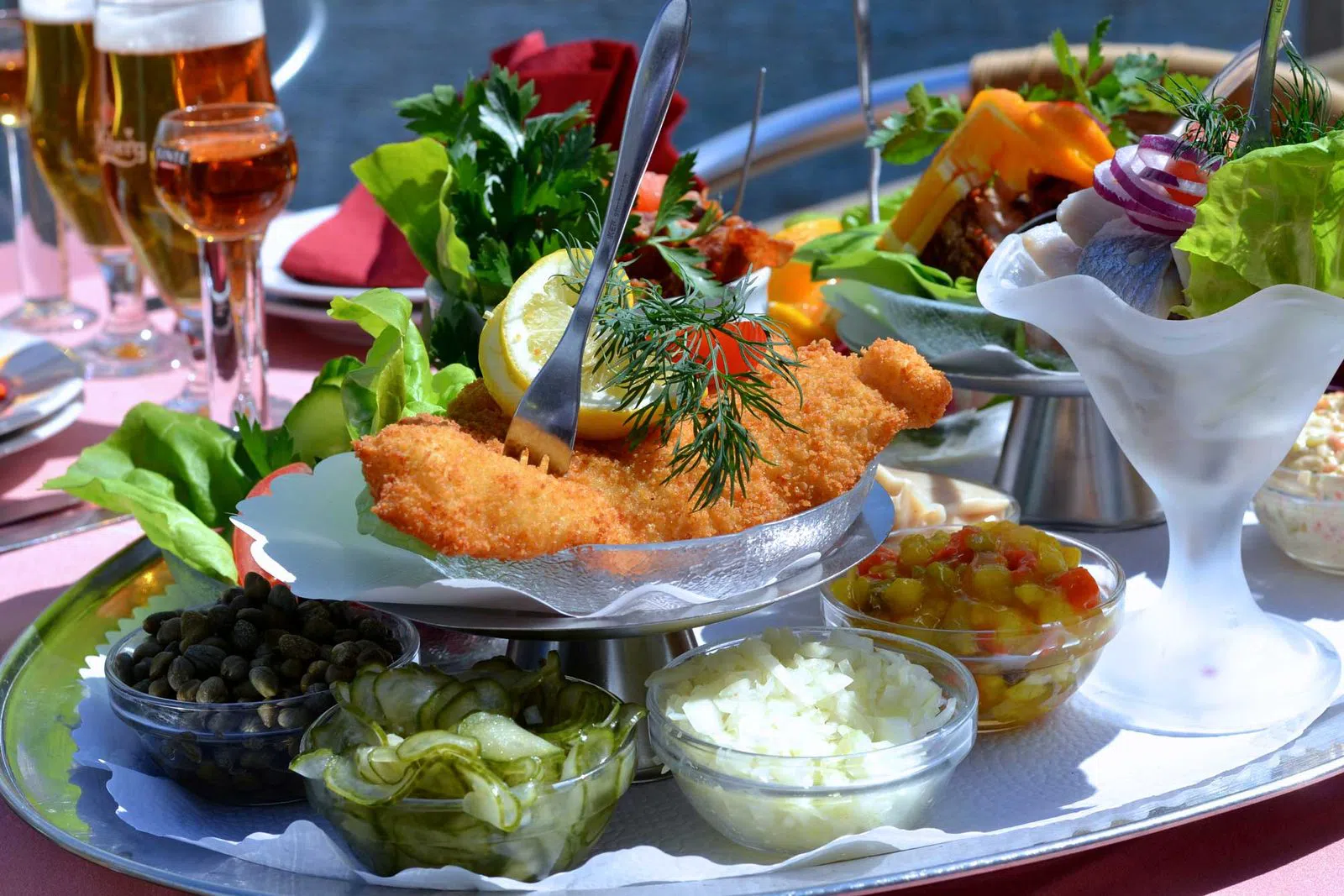
Kanal-Caféen (Slotsholmen, on the canal) is a locals' lunch favourite and one of the oldest lunch houses in the city. The draw is a secret-recipe pickled herring I'd order twice before I'd order anything else, plus a genuinely old-Copenhagen, waterside room. Indoor tables at lunch need booking, and it's best for small-to-medium groups; budget 85–160 kr a piece.
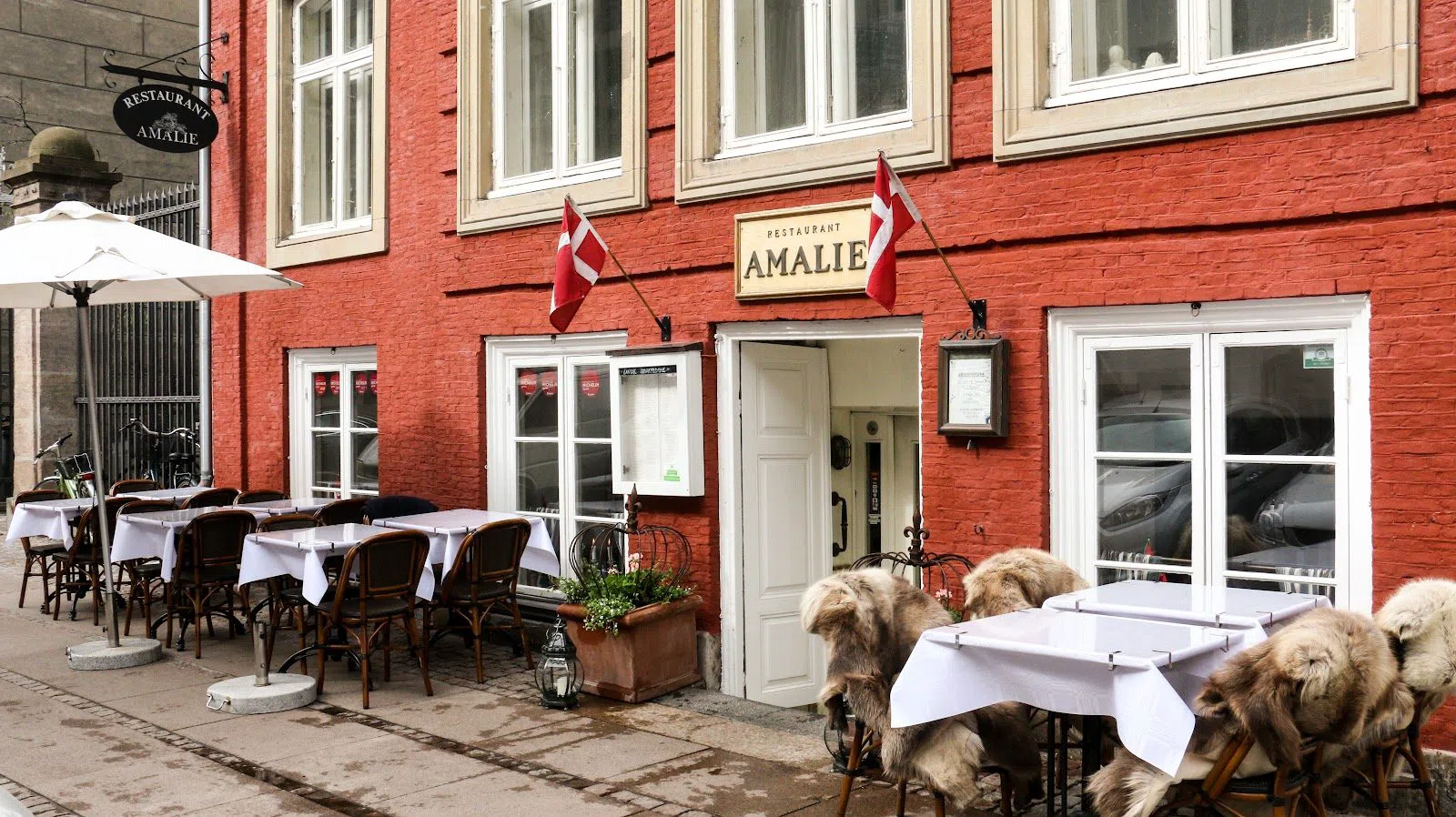
For a couple, few rooms beat Restaurant Amalie (Frederiksstaden, by Amalienborg palace). It's pocket-sized — two very small rooms — intensely traditional, and heavy on classic herring. That tininess is the charm and the catch: charming for two, too tight for a large party. Reserve, and reckon on 90–160 kr a piece.
And for something interactive, Restaurant Kronborg (Inner City) was named Herring of the Year 2026, and it earns the title with a build-your-own-at-the-table format that's a genuinely fun way to learn the ritual — you dress your own rye, choose your herring, pour your own snaps. It's a small, welcoming room good for modest groups; book by phone, as the reservation windows are narrow. Pieces run 85–155 kr. This is the one I'd send a first-timer who wants to understand smørrebrød from the inside, not just eat it.
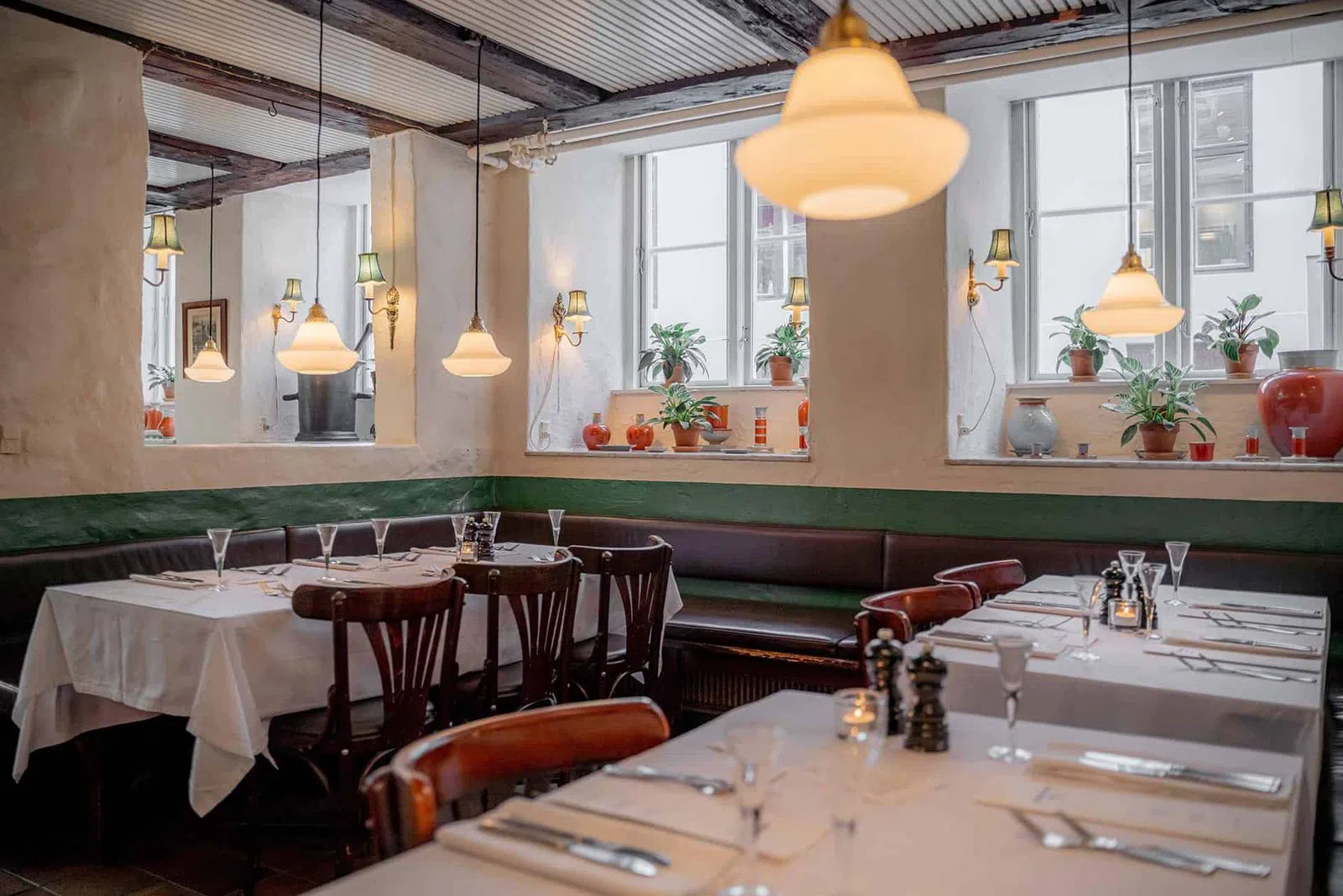
The modern benchmark
The last decade turned smørrebrød from museum piece into serious cooking, and the standard-bearer is Aamanns 1921 (Inner City). Adam Aamann mills his own flour and cures his herring for six to twelve months, and it shows in every component — the rye has a depth most kitchens can't touch. Crucially for travellers, it's open lunch and dinner, seven days, in a larger, airier room that comfortably takes groups. Reserve, especially for evenings. At 145–225 kr a piece it's the top of the range, and the best pick if you want a proper sit-down smørrebrød dinner rather than a rushed lunch.
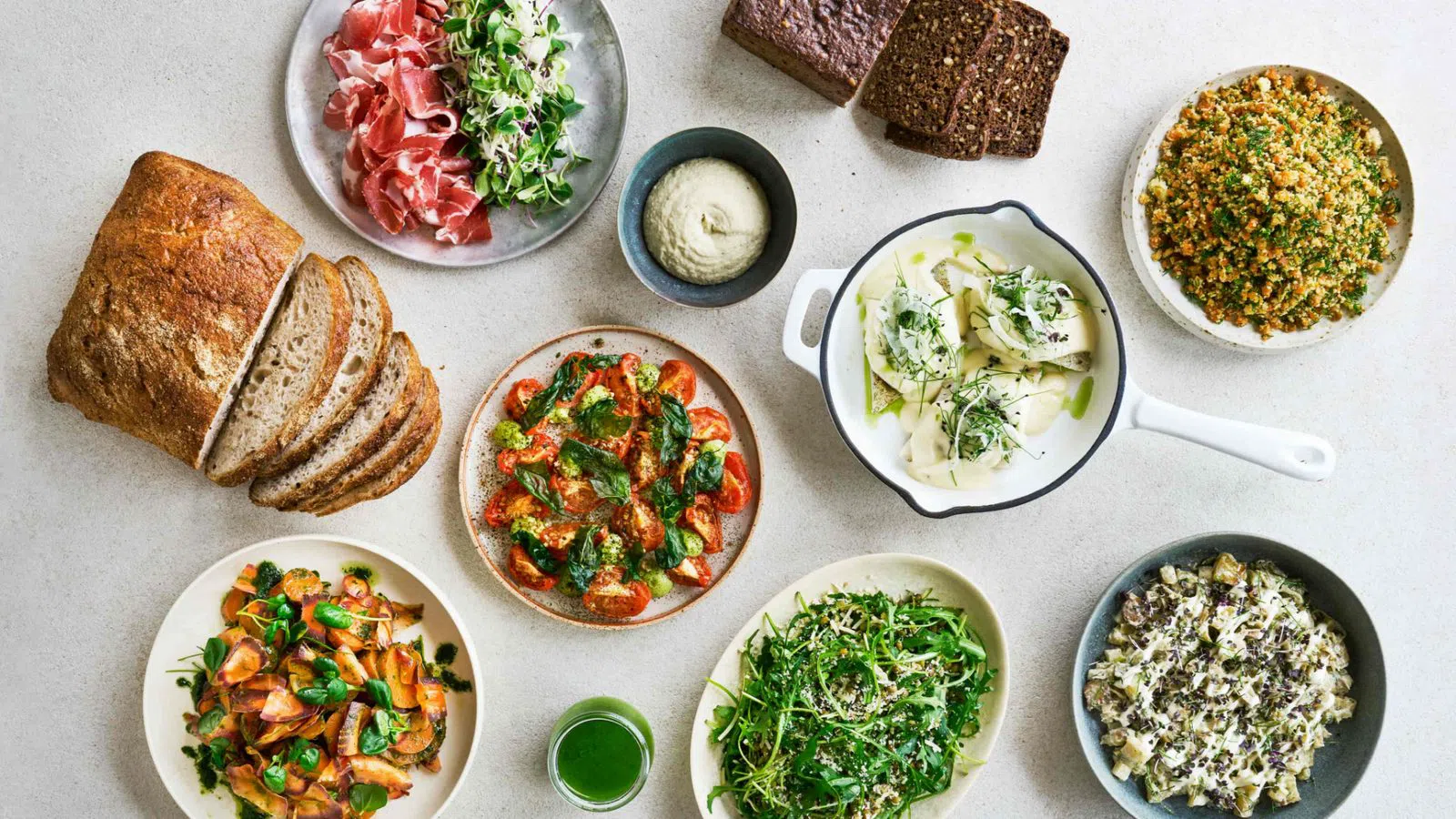
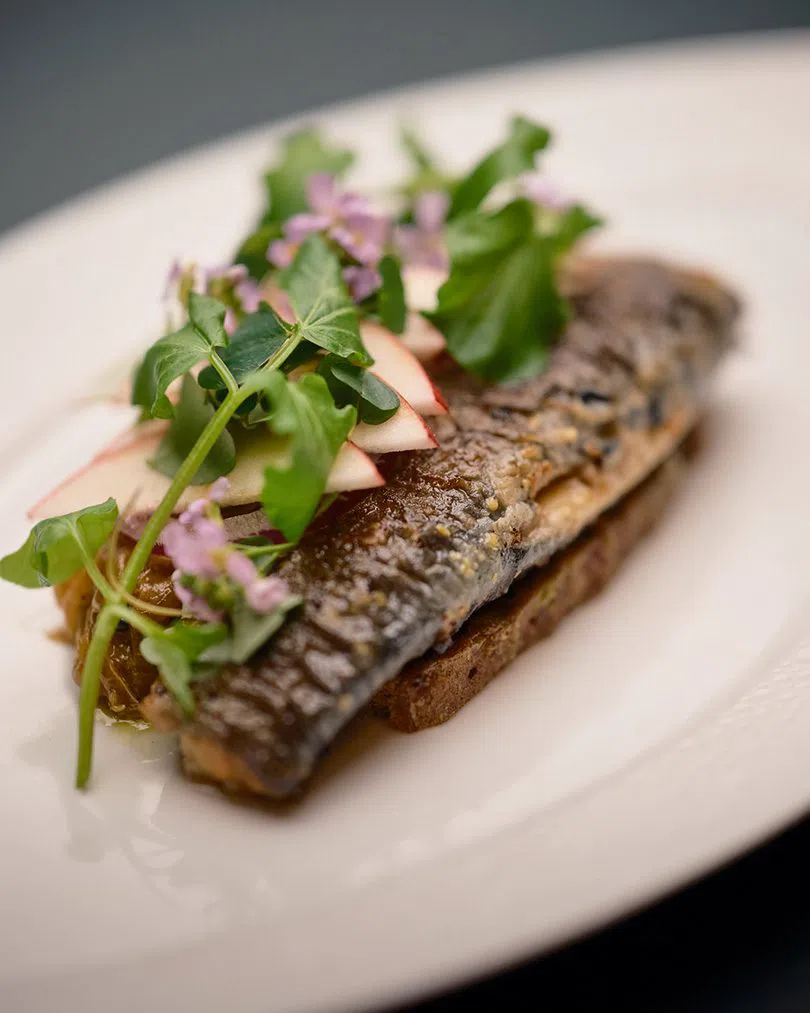
Restaurant Palægade (Inner City) opened in 2016 aiming to be the city's best lunch room, and it's the safe upscale group booking: polished modern smørrebrød, take-out if you need it, and — rare for this cuisine — strong vegetarian options, so nobody at the table is stuck. It flips to a French menu at dinner. Pieces sit around 125–195 kr. If you've got a mixed group and want zero anxiety about the booking, this is it.
From the same team comes Restaurant Møntergade (Inner City), a modern brasserie in a historic space that runs both lunch and dinner and is Michelin-listed. Think world-class classic smørrebrød alongside a warm-kitchen menu — a strong dinner-capable alternative to Palægade when you want groups fed properly into the evening. Reserve; evenings are busy. Around 130–210 kr a piece.
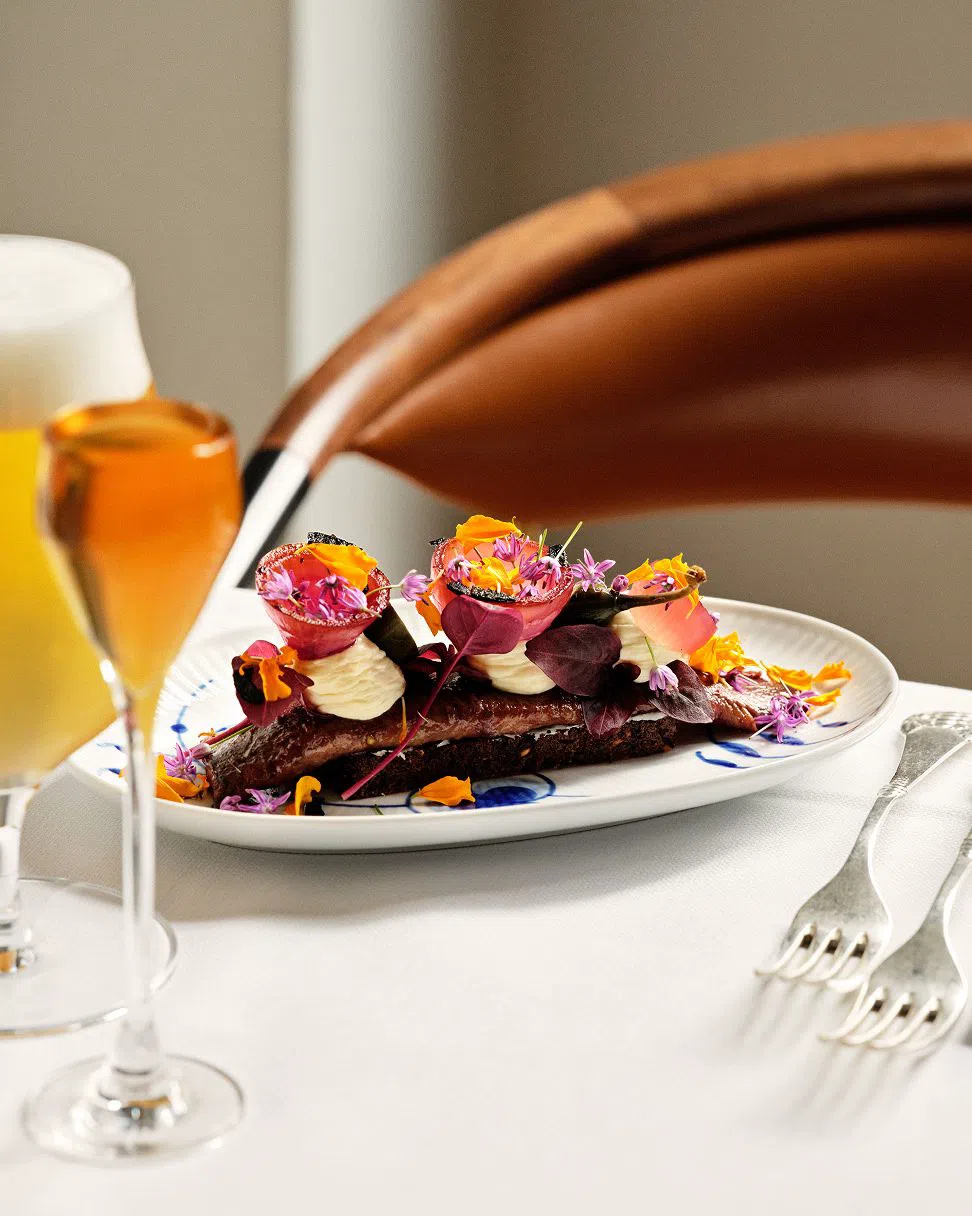
For the adventurous, and for a crowd
If you like your traditions bent, Selma (Inner City) is the destination. Swedish chef Magnus Petersson breaks the rules with herring-forward, inventive smørrebrød paired to Mikkeller beer and natural wine — the plates that make you rethink what rye can carry. Two honest caveats: it's tiny and often queued, so it's best for pairs and very small groups, not big parties, and you should expect to wait. Pieces run 95–160 kr, and it's worth building a little patience into the day for.
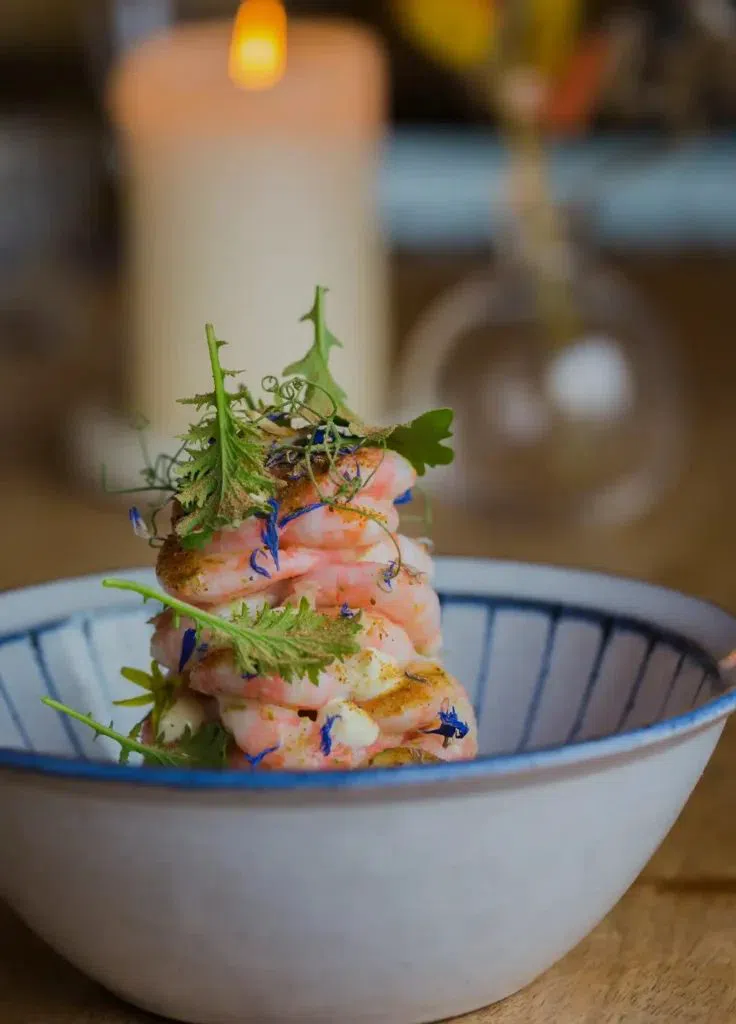
When the table wants a celebration, Restaurant Told & Snaps (beside Nyhavn) takes groups well and runs snaps flights that suit a toast. Since 2000 it's done mostly-organic classics with a big homemade-snaps programme — a lively, unpretentious traditional lunch where the point is as much the pour as the plate. Reserve for the lunch peak; 95–165 kr a piece.
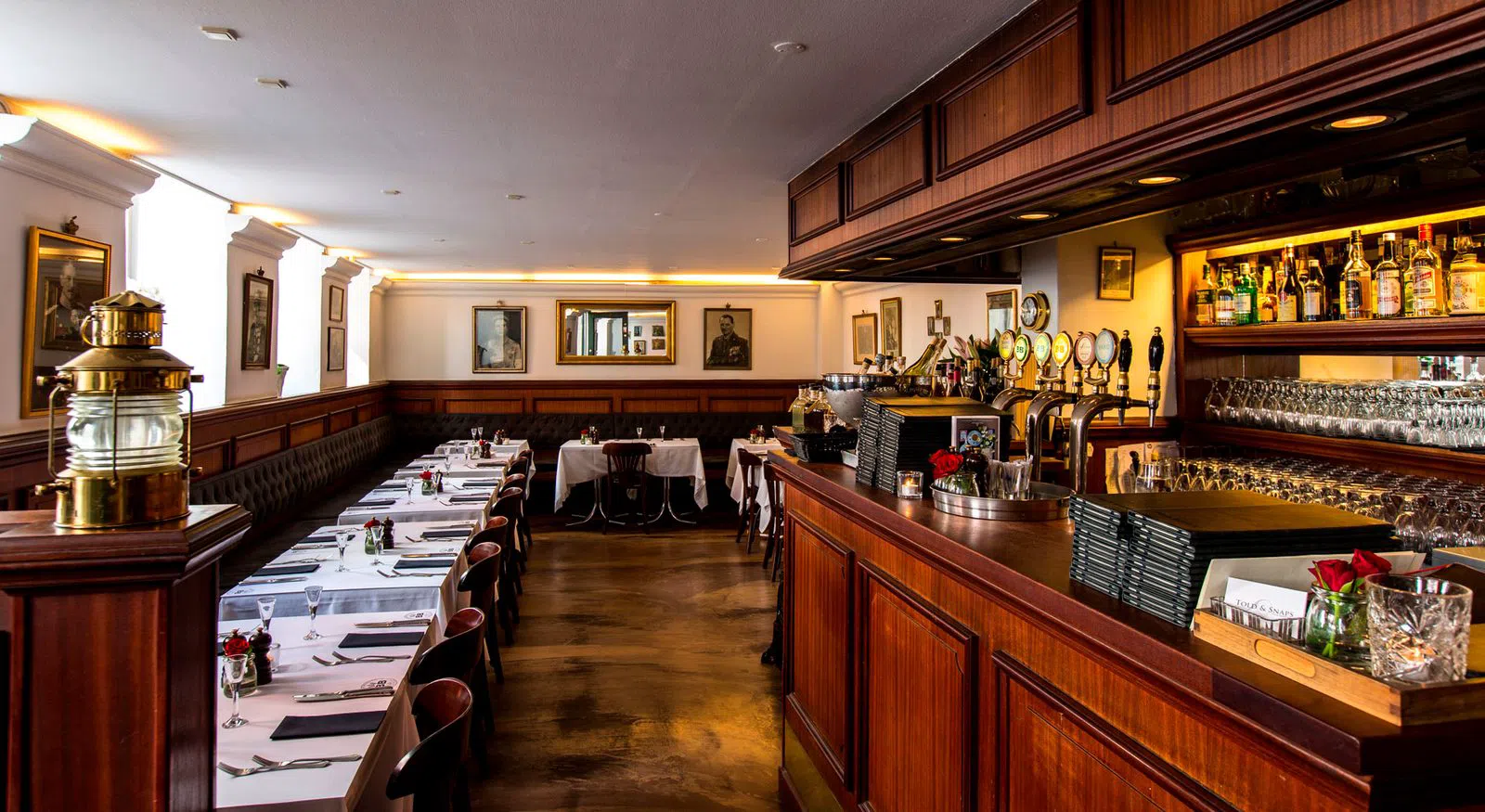
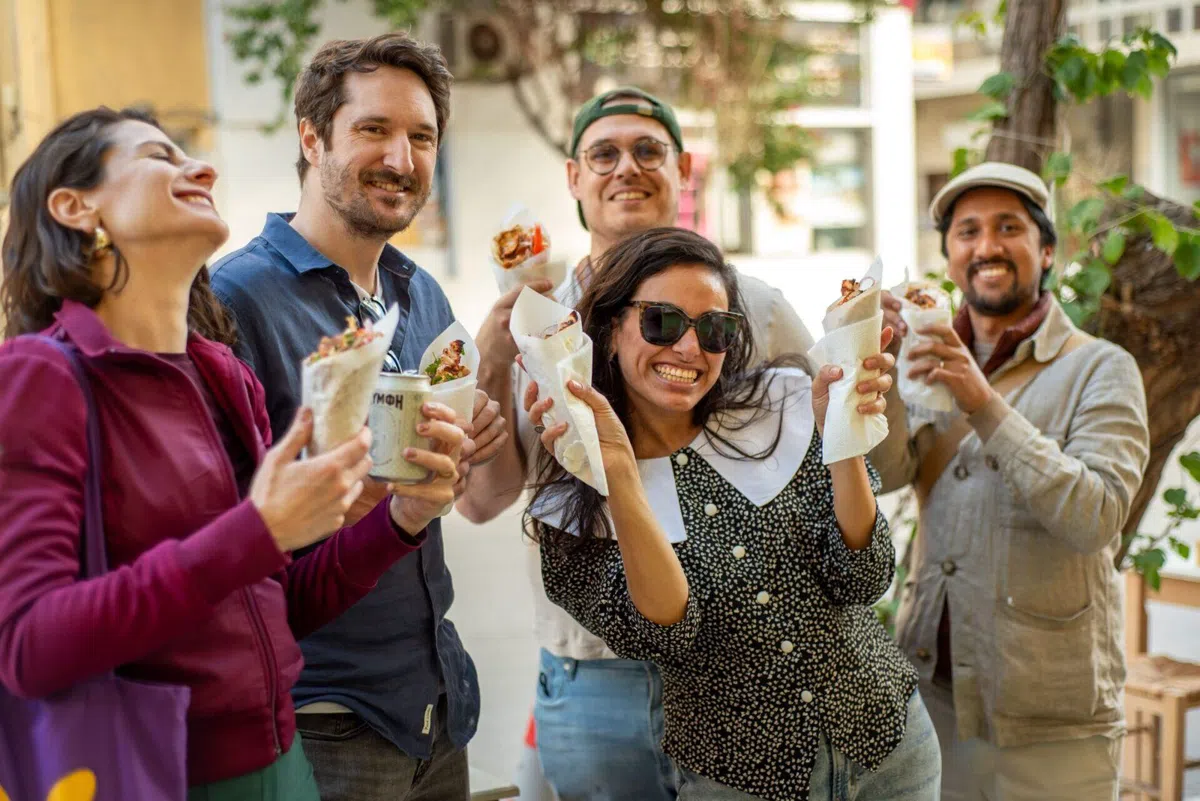
And for no fuss at all, Hallernes Smørrebrød (Torvehallerne market) is the best casual entry point in the city. It's the market's most popular Danish vendor — no reservations, quick, and ideal for an informal group eating on different budgets and timings. You get real quality without the formal booking, from around 75–145 kr a piece. It's where I'd start anyone nervous about the whole ritual: buy two pieces, find a spot, and see what the fuss is about before committing to a proper sit-down elsewhere.
How to plan your smørrebrød days
A workable rhythm: one big-name lunch that you booked weeks ago (Schønnemann or Ida Davidsen), one atmosphere lunch (a canal house or cellar), and one modern sit-down (Aamanns 1921 or Møntergade, the two that do dinner). Slot Hallernes in for a casual first day, and save Selma for an afternoon you don't mind queuing.
A few honest realities. Groups: Palægade, Møntergade, Aamanns 1921 and Told & Snaps are your reliable bookings for four or more; Schønnemann, Selma and Amalie are for pairs and small parties, full stop. Timing: the classics are lunch-only and shut mid-afternoon to 5pm, so this is a day activity — plan dinner around the two or three rooms that serve it. Weekends: several institutions close Saturday and Sunday, so front-load the big names to weekdays. Don't wing the marquee names; do wing Hallernes.
Practical notes
Getting around: almost everything here is in or near the Indre By (Inner City), Slotsholmen and Nyhavn, all walkable from Kongens Nytorv. The Metro and S-train cover longer hops, and the city is famously flat and bike-friendly if you rent one. Money: Copenhagen is effectively cashless — cards and phones work everywhere, so you don't need kroner in your pocket, though it helps to know pieces are priced individually (2–3 makes a lunch). Timing: aim to sit down by 12:30–13:00 for the traditional rooms; they empty and close early. Reserve the institutions as far ahead as you can — Schønnemann especially — and phone Kronborg directly. Budget: a two-to-three-piece lunch with a snaps runs roughly 250–500 kr a head at the classic rooms, less at Hallernes, more at Aamanns; the snaps flights at Told & Snaps add up fast, so pace them.
For where to stay within walking distance of all of this, browse a Copenhagen hotel search — basing yourself around the Inner City puts every room above within a fifteen-minute stroll, which is exactly how you want to eat smørrebrød: slowly, on foot, and with time for the snaps.
Before you go
What is smørrebrød and how do you eat it?
Smørrebrød is a Danish open sandwich: a slab of dense, buttered rye bread topped with herring, shrimp, fish, meat or cheese. You eat it with a knife and fork, not your hands, and a full lunch follows an order — herring first, then other fish, then meat, then cheese — often with a cold shot of caraway snaps alongside.
Do I need to book smørrebrød restaurants in Copenhagen?
For the famous small rooms, yes — Restaurant Schønnemann and Ida Davidsen book out weeks ahead and are lunch-only. Reserve modern group spots like Palægade, Møntergade and Aamanns 1921 too, especially for dinner. Hallernes Smørrebrød at the market takes no reservations and is your reliable walk-in.
How much does smørrebrød cost in Copenhagen?
Prices are per piece. Casual market pieces at Hallernes start around 75 kr; mid-range traditional rooms run roughly 85–165 kr; and the top modern kitchens like Aamanns 1921 reach 145–225 kr. A two-to-three-piece lunch with a snaps typically costs 250–500 kr a head at the classic rooms.
Which smørrebrød places are best for groups versus couples?
For groups of four or more, book Palægade, Restaurant Møntergade, Aamanns 1921 or Told & Snaps — all take larger tables and reserve well. Schønnemann, Selma and Amalie are tiny and best for pairs or very small parties. Hallernes suits informal groups with no booking needed.
Are Copenhagen's smørrebrød restaurants open for dinner?
Most are strictly lunch and close mid-afternoon to 5pm — smørrebrød is traditionally a daytime meal. The main exceptions that serve dinner are Aamanns 1921 and Restaurant Møntergade, with Palægade switching to a French menu in the evening. Plan the classics for lunch on weekdays, as several close weekends.