
Denmark — The Insider’s Guide
Copenhagen
Copenhagen operates with a quiet, clockwork precision that can easily be mistaken for effortless cool. The city does not shout; it hums. Here, the harbor water is clean enough for a morning plunge, the bike lanes are wider than the sidewalks, and the architectural landscape seamlessly transitions from 17th-century stepped gables to radical, grass-roofed modernism. It is a city designed for human scale, where the quality of life is fiercely protected and design is treated as a civic duty rather than a luxury.
The Copenhagen guide
An insider’s read on Copenhagen
CCopenhagen operates with a quiet, clockwork precision that can easily be mistaken for effortless cool.
Founded as a Viking fishing village in the 10th century, Copenhagen grew into a powerful Baltic capital through trade, royal ambition, and resilience against devastating fires and naval bombardments. This turbulent history has left a compact historic core wrapped in a ring of distinct, post-industrial neighborhoods. The contemporary Danish character is defined by 'janteloven' (a cultural norm discouraging individual vanity) balanced against an obsessive pursuit of aesthetic perfection. The result is a society that is highly egalitarian, fiercely organized, and deeply communal, where public spaces are treated as shared living rooms.

PLATE ICopenhagen, Denmark

Where to base yourself
The neighborhoods
01
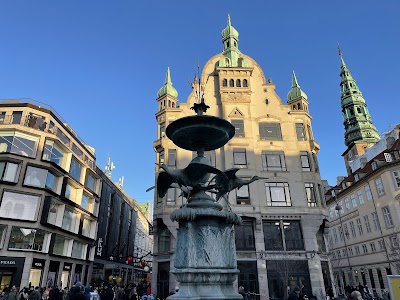
Indre By (Inner City)
For First-time visitors who want to walk to major sights. The trade-off is high tourist crowds and premium prices for mediocre food near the main shopping streets.
The historic heart, defined by medieval alleys, royal palaces, and the iconic, colorful townhouses of Nyhavn.
Where to stay — Grand historic hotels or high-end boutique properties tucked away on quiet side streets.
02
Vesterbro & Kødbyen
For Design lovers and foodies. The trade-off is that parts near the Central Station still retain a gritty, raw edge.
A former working-class and red-light district turned creative hub. The Meatpacking District (Kødbyen) features industrial white-tiled warehouses repurposed into galleries and restaurants.
Where to stay — Trendy boutique hotels with industrial-chic aesthetics.
03
Nørrebro
For Budget-conscious travelers and those seeking excellent coffee and independent shops. The trade-off is that it is further from the classic royal sights.
A diverse, energetic neighborhood defined by multicultural food spots, vintage clothing boutiques, and a massive student population.
Where to stay — Design-focused hostels or apartment rentals.
04
Christianshavn
For Those seeking a slower, maritime pace. The trade-off is limited hotel options and occasional police tension around Christiania's Pusher Street.
A picturesque, canal-laced neighborhood built in the 17th century on the Dutch model, home to historic houseboats and the autonomous commune of Freetown Christiania.
Where to stay — Charming canal-side guesthouses or rental apartments.
05
Frederiksberg
For Families and travelers seeking a quiet, upscale residential atmosphere. The trade-off is a lack of late-night bars and higher dining costs.
An elegant, wealthy enclave that is technically its own independent municipality. Wide, tree-lined boulevards, grand apartment blocks, and manicured royal gardens.
Where to stay — Classic, refined apartments or quiet bed-and-breakfasts.
06
Østerbro
For Travelers seeking peace, quiet, and proximity to the water. The trade-off is that it can feel sterile and lacks nightlife.
A quiet, affluent residential district characterized by wide avenues, green spaces, and design-conscious young families.
Where to stay — Eco-certified boutique hotels or family-friendly apartments.
07
Refshaleøen
For Adventurous travelers and dedicated food obsessives. The trade-off is that it is highly exposed to the elements and requires a long bike ride or harbor ferry to reach.
A rugged, wind-swept former industrial shipyard that has reinvented itself as a playground for experimental food, contemporary art, and saunas.
Where to stay — Minimalist houseboats or central hotels (there are almost no hotels on the island itself).
Book direct
Book a hotel in Copenhagen
Loading live availability and real-time prices…
Where to eat
Dining
Kødbyens Fiskebar
€€€Vesterbro
It stripped the pretension from fine-dining seafood, serving ultra-fresh North Sea catches in a raw, industrial former meatpacking warehouse.
Signature — Blue mussels steamed in local apple cider and herbs.
Oysters & Grill
€€Nørrebro
A noisy, colorful neighborhood spot where seafood is treated as a casual, hands-on feast rather than a quiet ritual.
Signature — The grand seafood platter with grilled langoustines and clams.
MASH (Modern American Steak House)
€€€€Indre By
The gold standard for high-end steak in the city, combining American steakhouse portions with sleek Danish design and deep wine cellars.
Signature — Dry-aged Danish ribeye on the bone.
KöD
€€€Indre By
A cozy, subterranean steakhouse focusing on carefully selected cuts from Denmark, Uruguay, and the US, paired with rich, homemade sauces.
Signature — Chateaubriand carved tableside.
Asador
€€€Christianshavn
An Argentine-inspired grill sitting right on the canal, where premium cuts are cooked slowly over real wood embers.
Signature — Slow-grilled ribeye with chimichurri.
Schønnemann
€€€Indre By
Operating since 1877, this is the high temple of traditional smørrebrød, where the herring is pristine and the aquavit flows freely.
Signature — The 'Spiced Herring' with lard, onion, and egg yolk.
Aamanns 1921
€€€Indre By
Adam Aamann is credited with rescuing smørrebrød from old-fashioned heavy recipes, elevating it with modern culinary techniques and architectural presentation.
Signature — Beef tartar with tarragon, capers, and crispy potato.
Restaurant Palægade
€€€Indre By
A sleek, modern dining room executing classic Danish lunch dishes with Michelin-level precision and exceptional hospitality.
Signature — Fried plaice fillet with hand-peeled Greenlandic shrimp.
Alchemist
€€€€Refshaleøen
A 50-course, multi-sensory culinary odyssey inside a former theater set, combining gastronomy, political commentary, and visual art under a massive dome.
Signature — The 'Tongue' dish, served on a silicone tongue mold.
Geranium
€€€€Østerbro
Located on the eighth floor of the national soccer stadium, this meat-free kitchen offers hyper-precise, artistic plates inspired by the wild Danish landscape.
Signature — The 'Universe' seasonal tasting menu.
Jordnær
€€€€Gentofte
Tucked away in a modest suburban hotel, this kitchen serves some of the world's most luxurious caviar and shellfish preparations with flawless execution.
Signature — Langoustine with yuzu, white soy, and premium caviar.
Gasoline Grill
€Indre By
Operating out of a functioning, historic gas station, they grind their organic beef daily to produce one of the world's most celebrated, no-nonsense burgers.
Signature — The Butterburger.
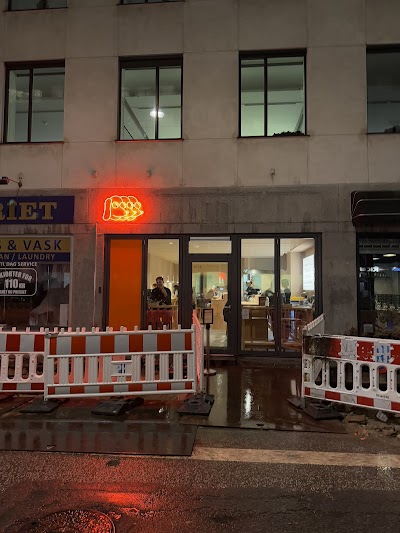
Slurp Ramen Joint
€€Nørrebro
A tiny, high-energy noodle bar that blends Japanese ramen-making techniques with fresh, seasonal Nordic ingredients.
Signature — The Shio ramen with local seaweed and chicken broth.
John's Hotdog Deli
€Vesterbro
An elevated take on the classic Danish hot dog stand (pølsevogn), featuring homemade toppings like beer-infused mustard and pickled root vegetables.
Signature — The custom hot dog with blue cheese sauce and crispy onions.
Ark
€€€€Indre By
A Michelin Green Star recipient, Ark offers a refined, globally inspired vegan tasting menu that focuses on rare mushrooms and seaweed.
Signature — Blue oyster mushrooms prepared over binchotan charcoal.
Lupa
€€€Østerbro
The casual sister restaurant to Ark, serving creative, plant-based bistro dishes utilizing ingredients from their own urban farm and fermentation lab.
Signature — Southern-fried oyster mushrooms with smoked chili glaze.
Souls
€€Indre By
A relaxed, bright cafe offering hearty, accessible plant-based comfort food, from brunch plates to burgers.
Signature — The Truffle Burger with hand-cut potato wedges.
After dark
Nightlife
Culture Box
Indre By
The undisputed temple of electronic music in Denmark, featuring a state-of-the-art sound system and separate rooms for underground techno and house.
Jolene Bar
Vesterbro
A former slaughterhouse in the Meatpacking District that hosts a diverse, queer-friendly crowd dancing to house, disco, and indie-pop.
Chateau Motel
Indre By
A multi-story club in the historic center offering different musical genres on each floor, from hip-hop to electronic.
Ruby
Indre By
Housed in an elegant 18th-century townhouse by the canal, this legendary bar pioneered the city's modern cocktail renaissance.
Lidkoeb
Vesterbro
A hidden, three-story bar in a historic apothecary hall, featuring a cozy fireplace and a dedicated single-malt whiskey bar on the top floor.
Duck and Cover
Vesterbro
A subterranean mid-century modern den serving highly creative, seasonal cocktails utilizing local herbs and aquavit.
Vega
Vesterbro
A masterpiece of 1950s modernist design, this legendary concert hall is widely considered one of the best acoustic venues in Europe for rock and indie acts.
La Fontaine
Indre By
Copenhagen's oldest jazz bar, famous for its legendary late-night Sunday jam sessions that attract touring international stars.
Jazzhus Montmartre
Indre By
The historic home of European jazz, which hosted legends like Dexter Gordon and Ben Webster during the golden age of jazz.
Art & history
Culture
Ny Carlsberg Glyptotek
Indre By
Founded by the brewing magnate Carl Jacobsen, it houses an extraordinary collection of ancient Mediterranean sculptures and French Impressionist paintings around a lush, glass-domed winter garden.
Designmuseum Danmark
Indre By
Housed in a former 18th-century hospital, this museum traces the history of Danish design, from iconic chairs by Arne Jacobsen and Hans Wegner to contemporary industrial design.
National Museum of Denmark (Nationalmuseet)
Indre By
The country's premier cultural history museum, housing priceless Viking runestones, Bronze Age treasures, and the famous Trundholm Sun Chariot.
CopenHill (Amager Bakke)
Amager
A waste-to-energy power plant designed by Bjarke Ingels Group (BIG) that features a dry ski slope, hiking trail, and the world's tallest climbing wall on its exterior.
Amalienborg Palace
Indre By
The winter residence of the Danish royal family, consisting of four identical classicist palaces flanking an octagonal courtyard.
The Black Diamond (Royal Danish Library)
Indre By
A striking modern extension to the royal library, clad in black granite that reflects the water of the harbor.
Copenhagen Contemporary
Refshaleøen
Located in a colossal former welding hall, this institution hosts massive, immersive installation art that would be impossible to fit in traditional museum spaces.
Kunsthal Charlottenborg
Indre By
One of the largest spaces for contemporary art in Northern Europe, located adjacent to the Royal Academy of Fine Arts.
Den Frie Udstillingsbygning
Østerbro
An artist-run exhibition space housed in a unique, wooden modernist building designed by artist J.F. Willumsen in 1898.
Don’t-miss
Signature experiences
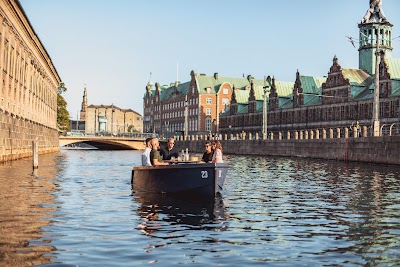
Captain a GoBoat
Islands Brygge·2 hours·★ 4.6
Rent a solar-powered, silent picnic boat made from recycled plastic and navigate the city's historic canals at your own pace without needing a boating license.
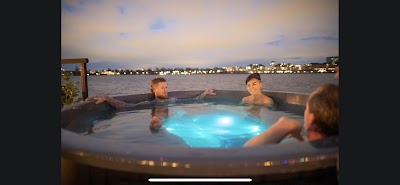
Sauna and Harbor Plunge
Refshaleøen·2 hours·★ 4.7
Embrace the ultimate Danish wellness ritual by sweating in a wood-fired sauna before jumping directly into the freezing, clean waters of the harbor.
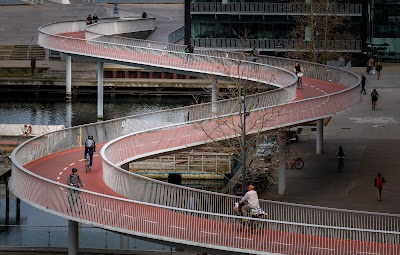
Cycle the Harbour Circle (Havneringen)
Waterfront·Half day·★ 4.6
Rent a bike and follow this dedicated 13km waterfront path that loops around the entire harbor, taking in houseboats, modern architectural icons, and quiet parks.
Beyond the city
Day trips
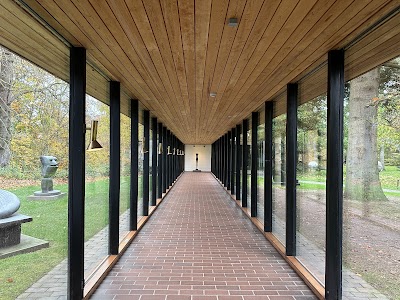
Louisiana Museum of Modern Art
Widely considered one of the most beautiful museums in the world, where world-class modern art is integrated into a coastal sculpture park overlooking the sea toward Sweden.
Getting there — A 35-minute regional train ride north to Humlebæk, followed by a scenic 10-minute walk.
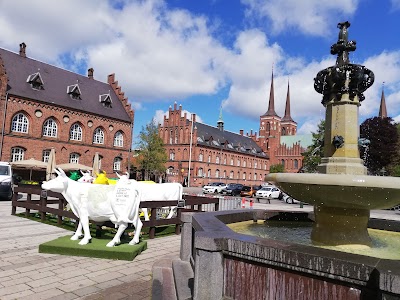
Roskilde
The ancient Viking capital of Denmark, home to a magnificent Gothic cathedral containing the tombs of 40 monarchs, and the Viking Ship Museum, where you can sail in reconstructed longships.
Getting there — A 25-minute regional train ride west from Copenhagen Central Station.
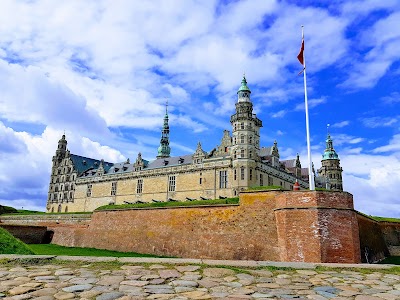
Kronborg Castle (Helsingør)
The imposing Renaissance fortress that served as the real-world setting for Shakespeare's Hamlet, offering dark casemates to explore and dramatic views across the narrow strait to Sweden.
Getting there — A 45-minute regional train ride north along the scenic coast.
Book ahead
Things to do in Copenhagen
Top-rated tours, tickets and experiences — book in seconds, skip the line.
Private Copenhagen Boat cruise in Scandinavian mahogany boat
★ 5.0170 reviews1 hour
FROM
$95
Sights & Gems: Medieval Copenhagen & Nyhavn with a local host
★ 5.078 reviews2 hours
FROM
$56
Private Copenhagen Family Cargo Bike Tour
★ 5.040 reviews3 hours
FROM
$238
Private Copenhagen Boat Tour: Landmarks and Hidden Gems
★ 5.034 reviews2 hours
FROM
$222
2-Hour Private Copenhagen Segway Tour - Your own private group
★ 5.027 reviews2 hours 15 min
FROM
$99
Copenhagen's Street Walking Tour
★ 5.024 reviews1 hour 30 min
FROM
$30
3 Hour Extended Copenhagen E-Bike Guided Tour
★ 5.021 reviews3 hours 15 min
FROM
$108
Nørrebro Walking Tour – The World’s Coolest Neighborhood
★ 5.019 reviews3 hours
FROM
$79
Bon Appetit Escape Room
★ 5.017 reviews1 hour 30 min
FROM
$212
Experience and Taste the Copenhagen Christmas
★ 5.016 reviews3 hours
FROM
$76
Social Sailing - Copenhagen Canal Tour - Hidden gems (2 hours)
★ 5.016 reviews2 hours
FROM
$71
Grand Tour of Copenhagen (Instant Confirmation)
★ 5.016 reviews2 hours 30 min
FROM
$334
These are affiliate links. We may earn a commission when you book — at no extra cost to you. Tours are sold and operated by our booking partner, who is the merchant of record.
Timing
When to visit
Spring
Crisp and unpredictable. April brings the cherry blossoms to Bispebjerg Cemetery, and locals crowd the sunny sides of canals at the first hint of double-digit temperatures.
Summer
The absolute peak. Daylight stretches past 10:00 PM, harbor baths are packed, and the city moves entirely outdoors. Accommodation prices are at their highest.
Autumn
October brings golden foliage to the city's parks and the annual Kulturnatten (Culture Night), though wind and rain begin to pick up significantly.
Winter
Dark by 3:30 PM. While the weather is cold and damp, this is the prime season to experience authentic Danish cozy intimacy in wood-paneled bars and cafes.
What it costs
Budgeting
Logistics
Getting around
From the airport
The M2 metro line runs directly from Terminal 3 of Kastrup Airport to Nørreport Station in the city center in under 15 minutes. Regional trains also run frequently to the Central Station (København H).
Public transit
The driverless metro runs 24/7. It is supplemented by S-trains for the suburbs and an extensive network of yellow harbor buses (ferries) that crisscross the main waterfront.
Passes & tickets
The Copenhagen Card offers unlimited transit and entry to dozens of museums (priced in €€-€€€ bands depending on duration). For transit only, the City Pass (Small or Large) is a cost-effective alternative in the €-€€ band.
On foot
Highly walkable due to its flat terrain and compact historic core, but pedestrians must remain hyper-aware of the dedicated bike lanes, which function as high-speed highways.
Travel smart
Safety & etiquette
Local etiquette
- •Never walk in the bike lanes; they are treated as active roadways and locals will not hesitate to ring their bells or yell.
- •Do not take photos or run inside Freetown Christiania, particularly around the cannabis-selling areas, where strict local rules apply.
- •Tipping is not mandatory as service charges are legally included in all restaurant bills, though rounding up for exceptional service is common.
- •Danes value personal space and quiet conversation; avoid speaking loudly on public transit or in quiet cafes.
From the ground
Practical tips
1
Do not buy bottled water; the tap water in Copenhagen is among the cleanest and best-tasting in the world.
2
Download the Donkey Republic app for the easiest, most reliable dockless bike rentals in the city.
3
If you plan to visit multiple museums and use public transit, buy the Copenhagen Card; it pays for itself after just two museum visits and a couple of metro rides.
4
Avoid eating directly on the main strip of Nyhavn; walk one or two blocks into the side streets for significantly better food at lower prices.
5
Buy your morning pastries from independent artisanal bakeries like Juno the Bakery, Hart Bageri, or Buka rather than generic convenience stores.
6
If traveling to Sweden via the Øresund Bridge, remember to bring your passport, as border checks are frequently conducted on the train.
Copenhagen FAQs
Do I need to carry cash in Copenhagen?
No, Copenhagen is virtually cashless. Cards and mobile payments are accepted everywhere, from high-end restaurants to canal-side hot dog stands.
Can I swim in the harbor?
Yes, the harbor water is clean enough to swim in. Only swim in designated harbor baths like Islands Brygge or Sandkaj, which have lifeguards and water quality monitoring.
Is it worth renting a bike?
Yes, but only if you are a confident cyclist. Local commuters ride fast and expect everyone to know the rules and hand signals; if you prefer a leisurely pace, walking is safer.
How far in advance should I book fine-dining restaurants?
For top-tier venues like Alchemist or Noma, you must book months in advance on their specific release dates, which sell out in minutes. Mid-range spots should be booked 2-4 weeks ahead.
Is English widely spoken?
Yes, virtually every local speaks flawless, near-native English, and transit signs and menus are almost always bilingual.