Copenhagen didn't get cast as a crime scene, it wrote the genre out of its own weather. The flat grey light off the harbour, the round courtyard of a working police headquarters, the canal quarter where a Greenlandic woman first noticed a set of footprints that didn't add up: these were real addresses before they were plot points. Walk them in the right order and the fiction falls away faster than the fog off Øresund.
Starting with someone who knows every filming address
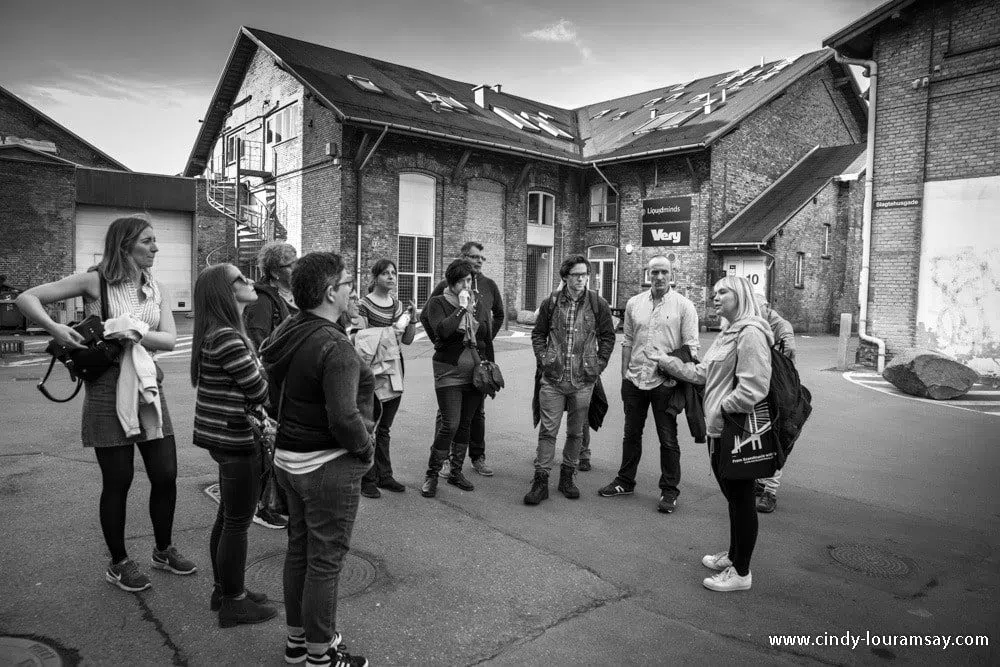
Nordic Noir Tours is the reason this walk exists as a coherent route rather than a list of postcodes you'd otherwise have to stitch together with a map and a lot of guessing. It's the one operator in the city built entirely around this genre, running since 2014 and still walking the real locations from The Killing, The Bridge and Borgen rather than a generic old-town circuit with crime trivia bolted on. Groups are the core of the business: private tours are priced per head and drop the more people you bring, from 800 DKK for one or two people down to 250 DKK for a group of four or more, so a couple pays a premium for a private guide while a group of friends splits it down to something closer to a museum ticket. If you're solo or don't want to organise a group, the cheaper route is the discounted Saturday walk departing from Vesterport Station, which runs the same core sites for a flat per-person rate. Either way, expect to pay somewhere between 200 and 800 DKK per person depending on how you book, and book ahead in summer, since a guide who actually knows which alley behind Christianshavn stood in for which crime scene isn't padding out a slow afternoon.
The detectives' actual workplace
No stop on this walk earns its place more literally than Politigården (Copenhagen Police Headquarters), near Copenhagen Central Station. This is the real, working police headquarters, and its severe round courtyard has doubled for Sarah Lund's precinct across multiple productions, which is a stranger thing to stand in than it sounds, since actual detectives are walking past you into an actual building. The exterior works for any group size, is free to view, and needs no booking: just walk up, look at the columns, and understand why directors kept coming back to it. Getting inside is a different proposition. There's no walk-in access at all, only a paid, pre-booked interior tour capped at 15 people, running around 1500 DKK for the group, so this is one to arrange days in advance if the interior matters to you rather than a spontaneous add-on to the walk.
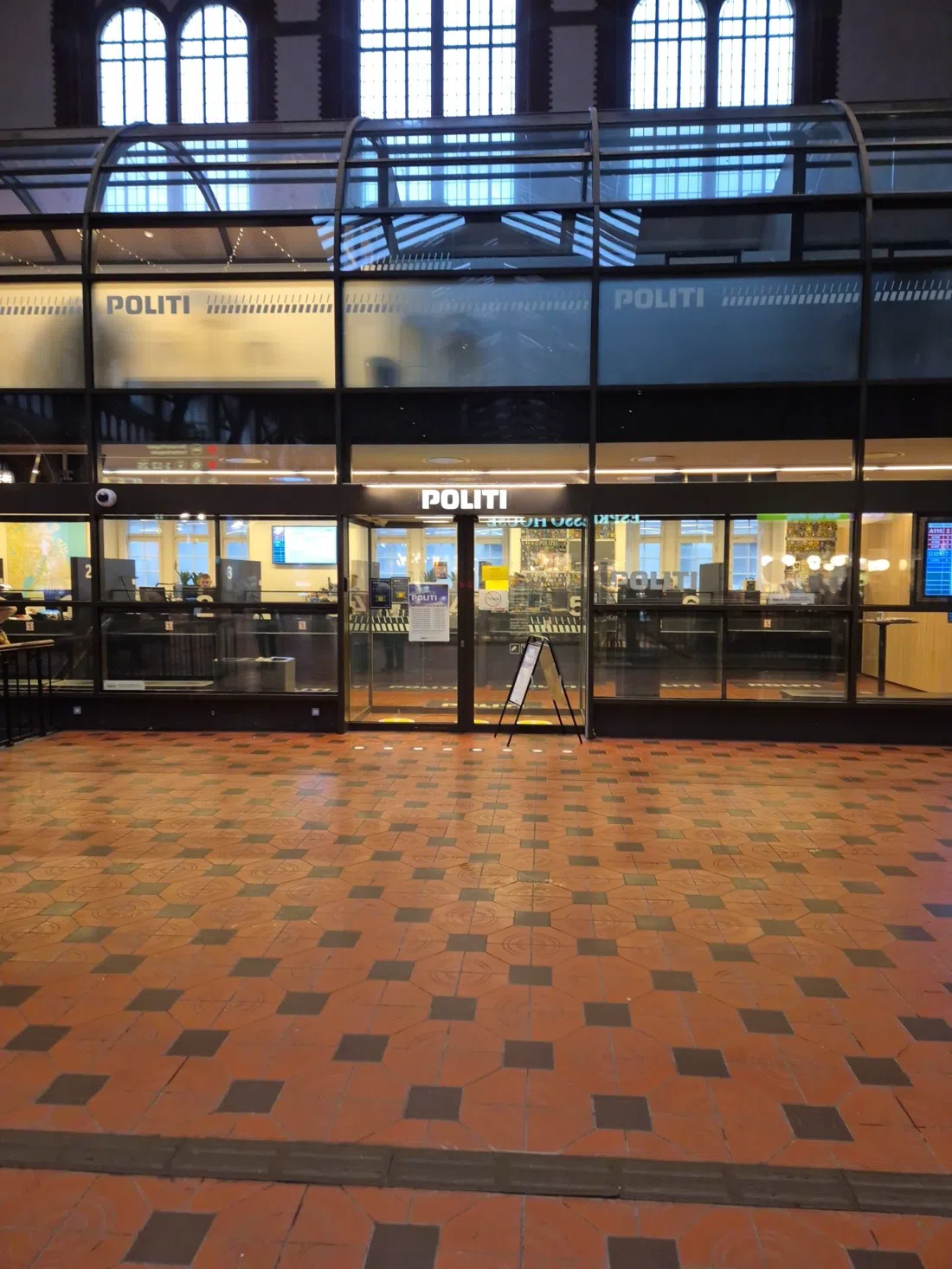
A fifteen-minute walk away in Nørrebro, Politimuseet (the Danish Police Museum) grounds the whole fantasy in the real thing: actual Danish crime-investigation history, forensic tools, and case files rather than a gift-shop version of true crime. It's a small museum and the rooms are tight, so keep any group under about 20 or you'll be queuing in the doorways rather than reading the cases. Entry runs DKK 75-100. The catch worth planning around is the opening hours: Tuesday, Thursday, Saturday and Sunday only, 11:00 to 16:00, so check the day of the week before you build the rest of the walk around it, since a Monday or Wednesday visit means this stop simply isn't available.

Borgen's real corridors of power
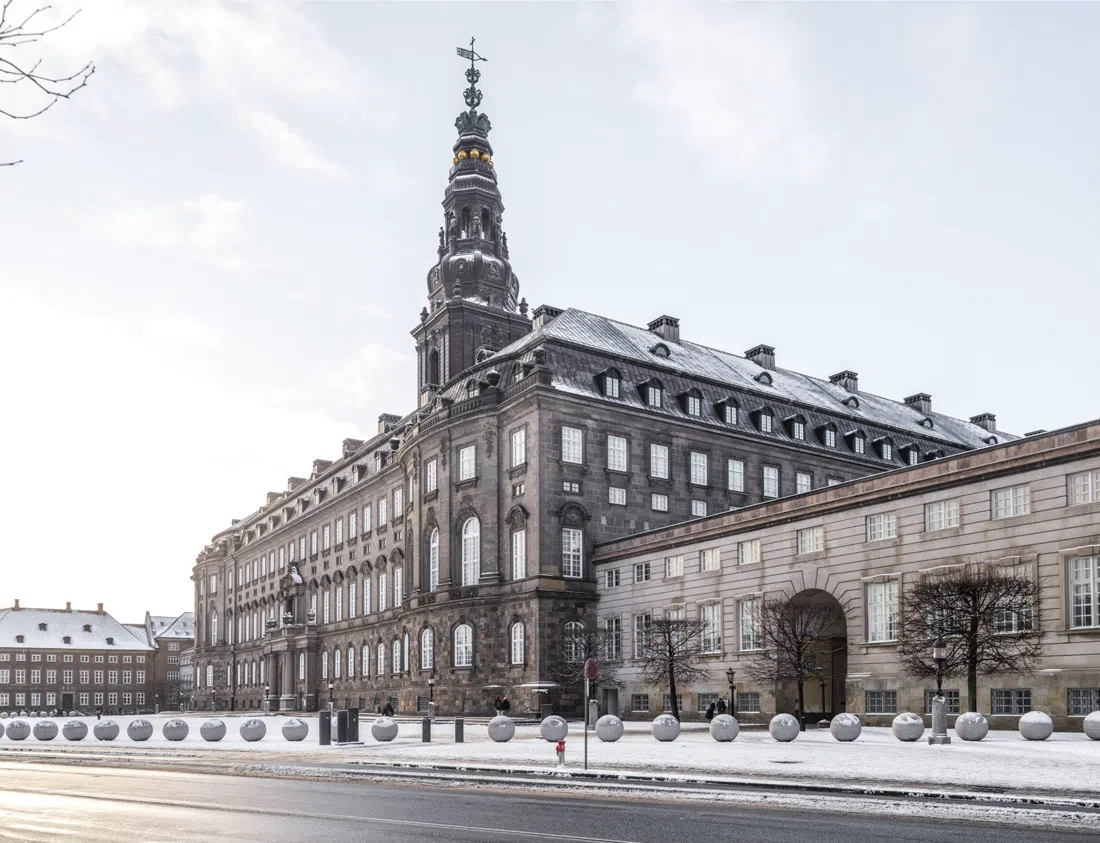
The political thriller strand of Nordic Noir has its own landmarks, and both sit on or near Slotsholmen, the small islet at the centre of government. Christiansborg Palace Tower is the real seat of government behind Borgen's power struggles, and it's also, unrelated to any TV plot, the best golden-hour photo stop on the entire route, with a free timed-entry ticket system that handles large groups easily. The tower itself is free; other rooms in the palace complex are paid separately, so decide in advance whether you're there for the view or the full state-apartments visit, since they're booked and priced differently.
A short walk from Slotsholmen, Copenhagen City Hall and its Jens Olsen's World Clock sit on the real seat of the mayoral power struggle that drives The Killing's political subplot, and unlike most filming locations, you can simply walk into the building for free during opening hours. Guided tours run Monday to Friday at 13:00 and Saturday at 10:00, group bookings taken, for roughly DKK 40-90. If your walk lands outside those tour times, the entrance hall and the clock mechanism are still worth the free look on your own.
The neighbourhoods that gave the genre its grit
This is where the walk moves from single landmarks to the texture the books and shows actually ran on. Freetown Christiania, reached through Christianshavn, welcomes groups on its general paths, and it's worth being upfront with anyone you're leading through: photography is still discouraged in places out of respect for residents, so put the phone away rather than find out the hard way. It's free to enter, and it's genuinely calmer now than at any point during the films' setting, since Pusher Street's open-air market was dug up and dismantled in 2024. That's a real shift in the neighbourhood's character worth mentioning to anyone who read the books expecting the old market atmosphere; what's there now is quieter and more residential than its reputation suggests.
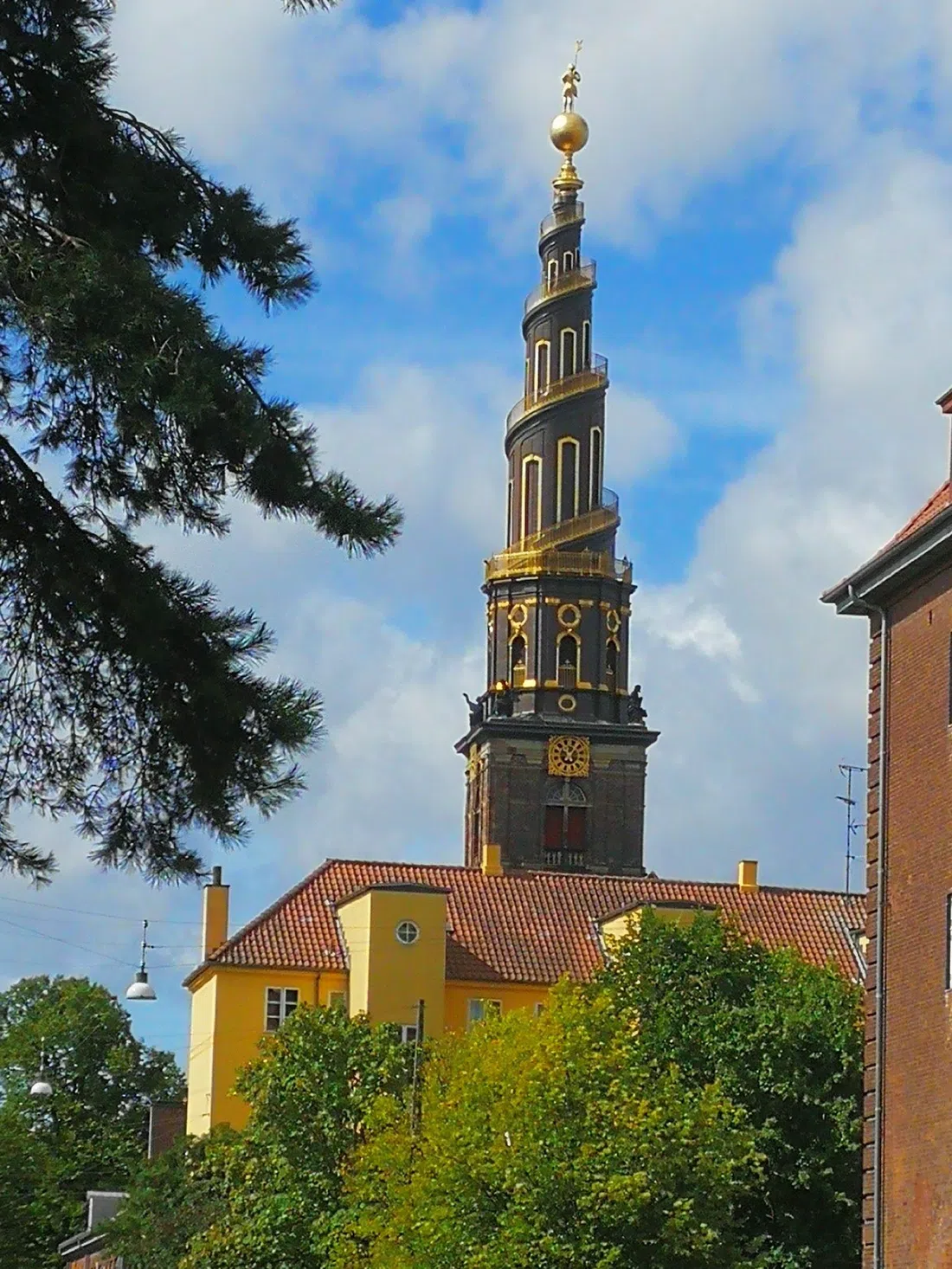
From Christiania it's a straightforward walk or short ride into Vesterbro, where Kødbyen (the Meatpacking District) is the pre-gentrification pocket that gave Refn's and Department Q's Copenhagen its grit, and it's now the natural place to end the walk with dinner. It's purpose-built for groups, with long communal tables and walk-in bars throughout, no need to book ahead unless you want a specific kitchen on a Friday night. Expect DKK 100-400 for food and drink depending on how much of the district you work through.
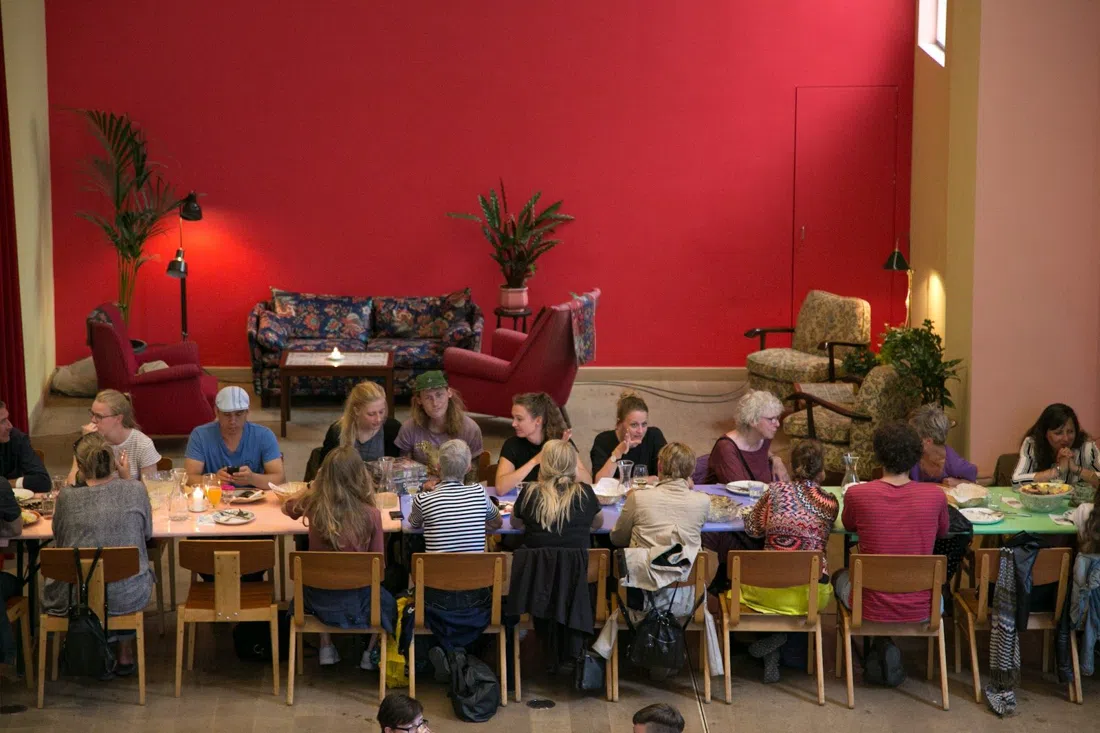
Still in Vesterbro, Folkehuset Absalon sits on the streets that were Refn's rough 1990s Pusher backdrop, which makes it the walk's clearest before-and-after stop, the same blocks that have gone from the genre's roughest setting to a community house running nightly communal dinners at 18:00 for DKK 75-100. It's built for groups and strangers sitting together at long tables, so it suits a party wanting an easy, sociable dinner more than a couple after a quiet meal; arrive close to 18:00 if you want a seat at the communal sitting rather than whatever's left over.
Water as the calm before the plot turns
Three stops on this walk aren't crime scenes at all, they're the quiet water that Nordic Noir keeps cutting back to right before the plot turns dark, and visiting them in sequence is part of the point.
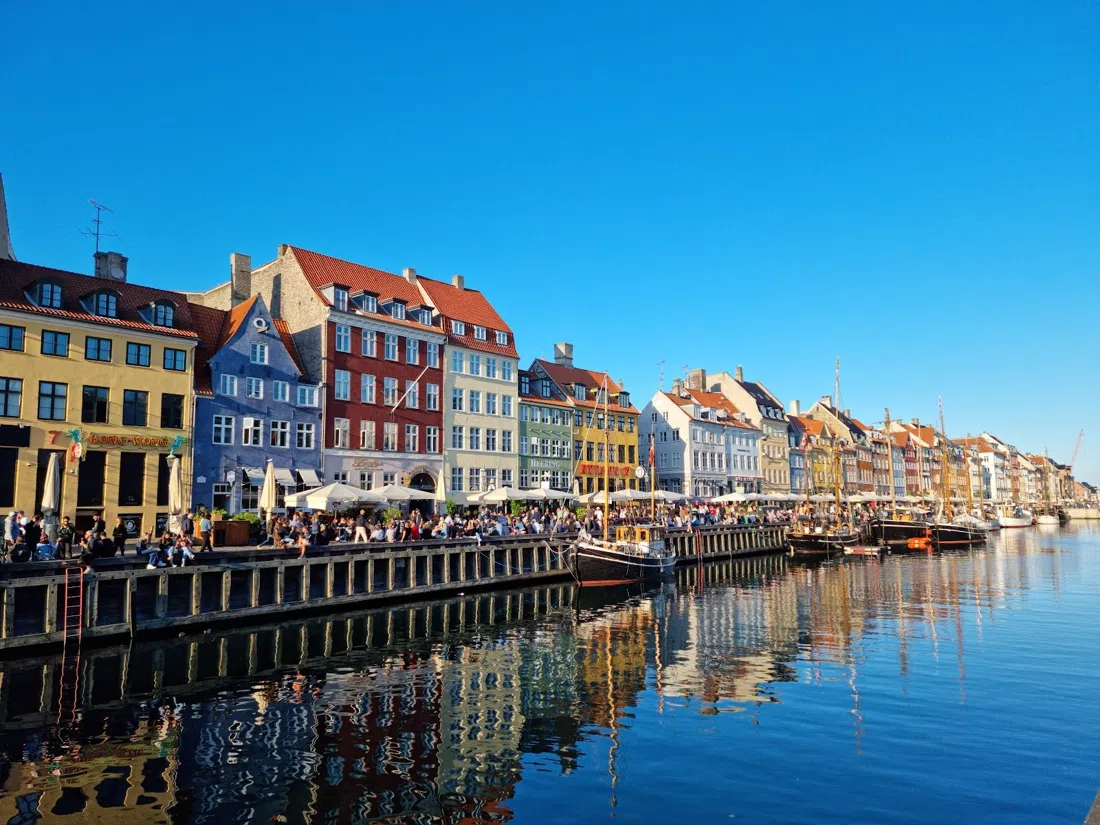
Nyhavn is the postcard-pretty harbour that recurs as the calm counterpoint in almost every production on this walk, colourful townhouses over still water, and it handles large groups easily since it's one of the most visited spots in the city. It's free to walk, and canal boat tours are bookable for groups from around DKK 100, a pleasant way to see the rest of the harbour from the water rather than doubling back on foot.
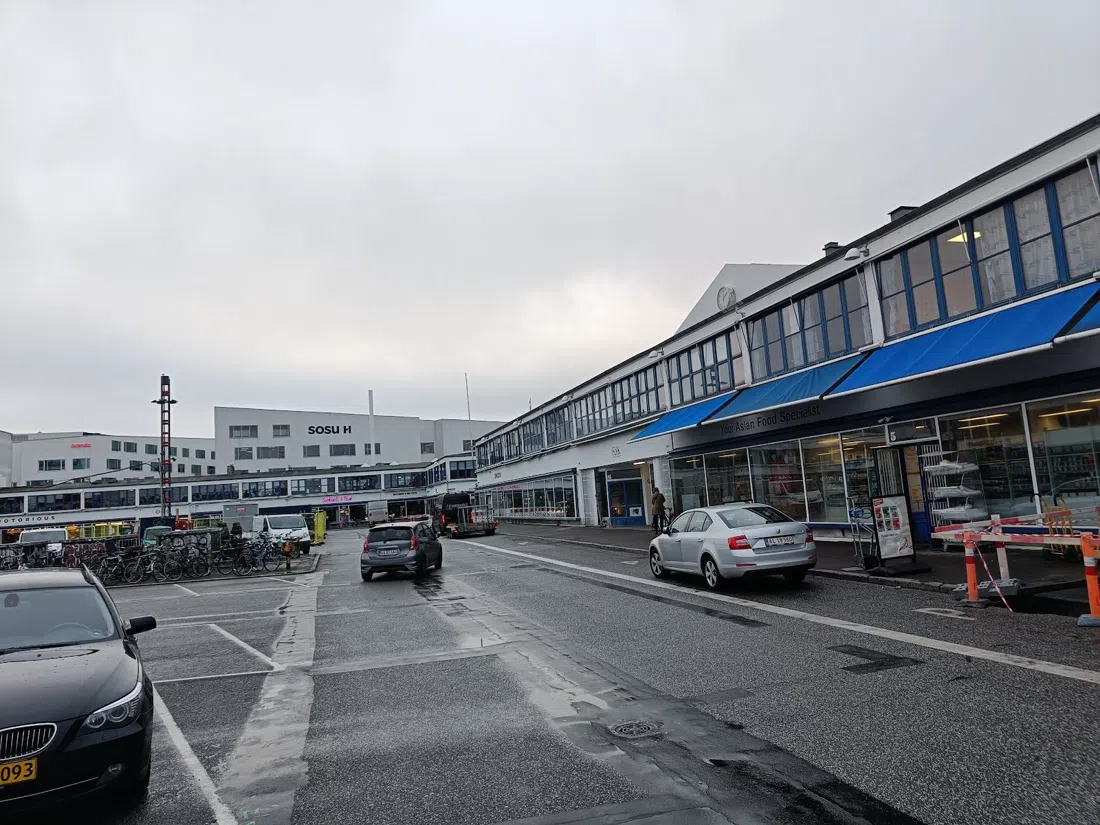
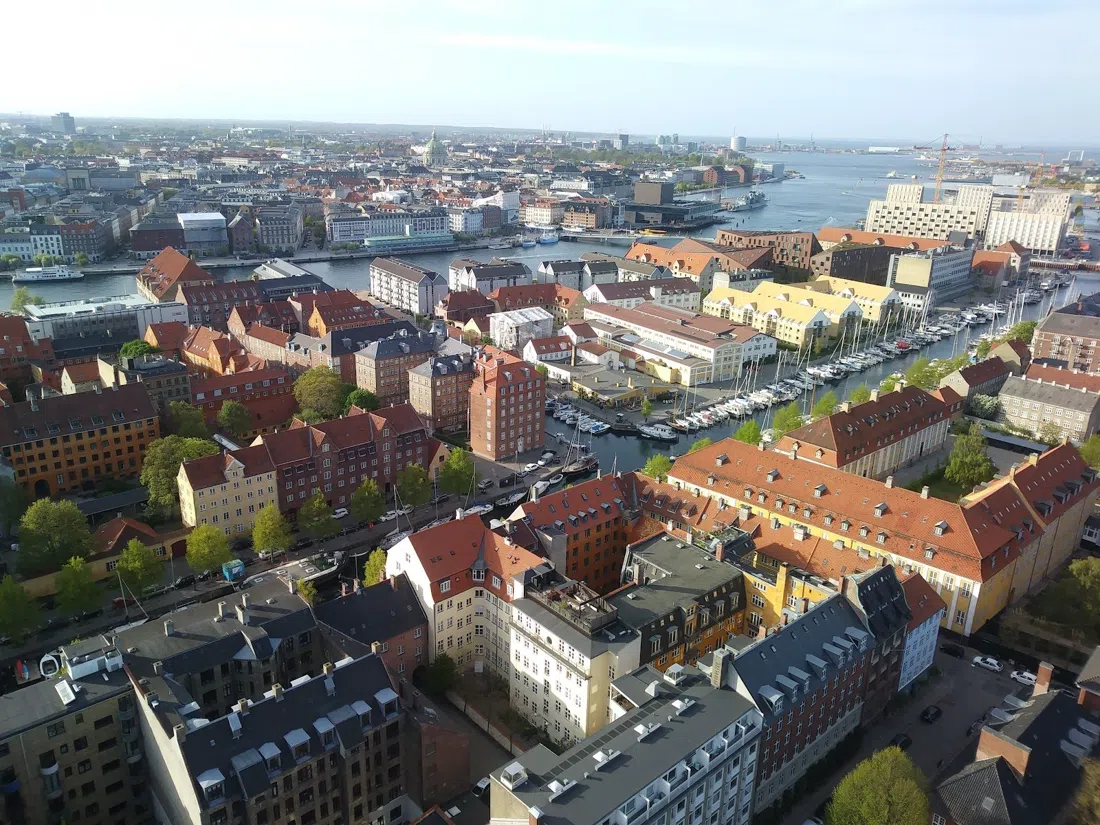
A short walk south, Christianshavn, specifically the Strandgade canal district, is the real quarter where Peter Høeg opens Miss Smilla's Feeling for Snow, the novel credited with putting Nordic crime fiction on the map before The Killing or The Bridge existed. It's easy for either a self-guided wander or a led group walk, entirely free, and the quietest, most literary stop on the route: narrow canal-front streets with almost none of Nyhavn's crowds.
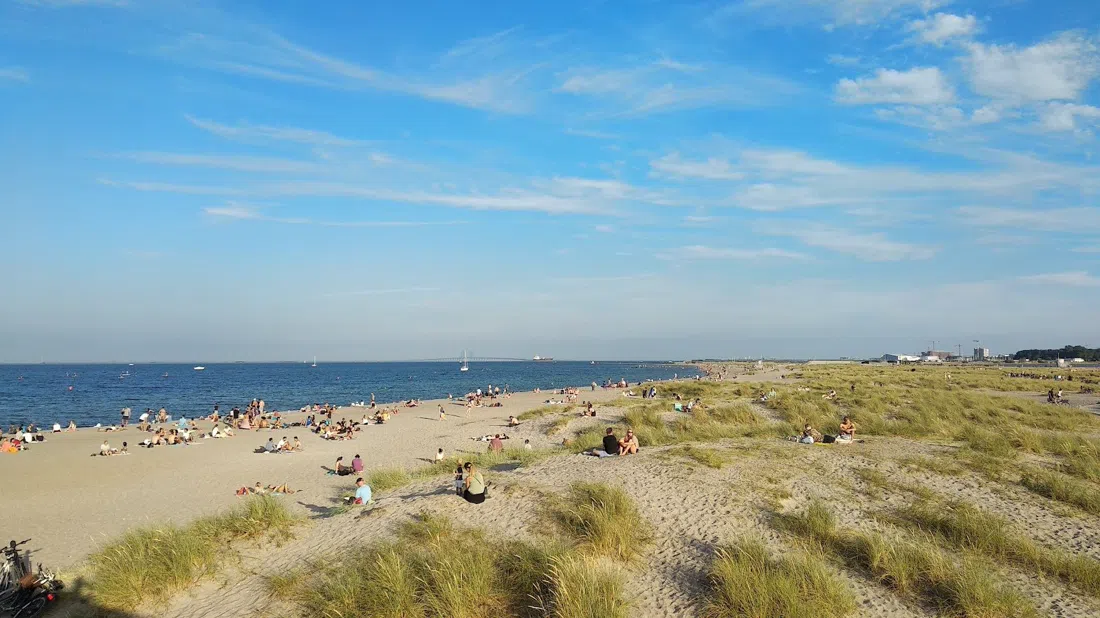
The walk's furthest stop is Amager Strandpark, an open public beach with no capacity limit and free entry, where you can stand on the actual Danish shore looking at the real bridge from the title sequence, which needs no reconstruction. It's a deliberately anticlimactic way to close a crime-fiction walk, ordinary families and joggers on a beach that's spent years as the opening shot of a body being found, and that contrast is exactly why it belongs at the end rather than the start.
Planning the walk
The full route, from Politigården in the west to Amager Strandpark in the east, is walkable in a long day but works better split across two, especially if you want Politimuseet's Tuesday/Thursday/Saturday/Sunday window or a Christiansborg Tower slot at golden hour. Copenhagen's metro and buses connect every stop on this list; a Rejsekort or the DOT app covers all of them, and nothing here needs a car. Most sites take cards, but keep a little cash for the Folkehuset Absalon dinner sitting and any small guided-tour deposits. Book the Politigården interior tour and Christiansborg Tower timed entry a few days ahead in high season (June to August), since both cap group sizes and neither takes walk-ins. Budget roughly DKK 300-1000 per person for a full day depending on whether you take a private Nordic Noir Tours walk or the cheaper Saturday group departure, add a Politimuseet ticket, and finish with dinner in Kødbyen. If you're building a longer stay around the walk, start with the Copenhagen guide for the wider city, and sort accommodation through Copenhagen hotel search before the summer weekends book out, since Vesterbro and Christianshavn are the two most convenient bases for this particular route.