The Copenhagen issue
The Chair City: Copenhagen's Design District and the Furniture That Shaped a Nation
How a few walkable blocks of Kødbyen and Vesterbro carry the same instinct — honest materials, no wasted line, room for people to gather — that made Denmark the country that taught the world how to sit.
By Astrid HaugenCopenhagen neighbourhood by neighbourhood, on foot and by bike
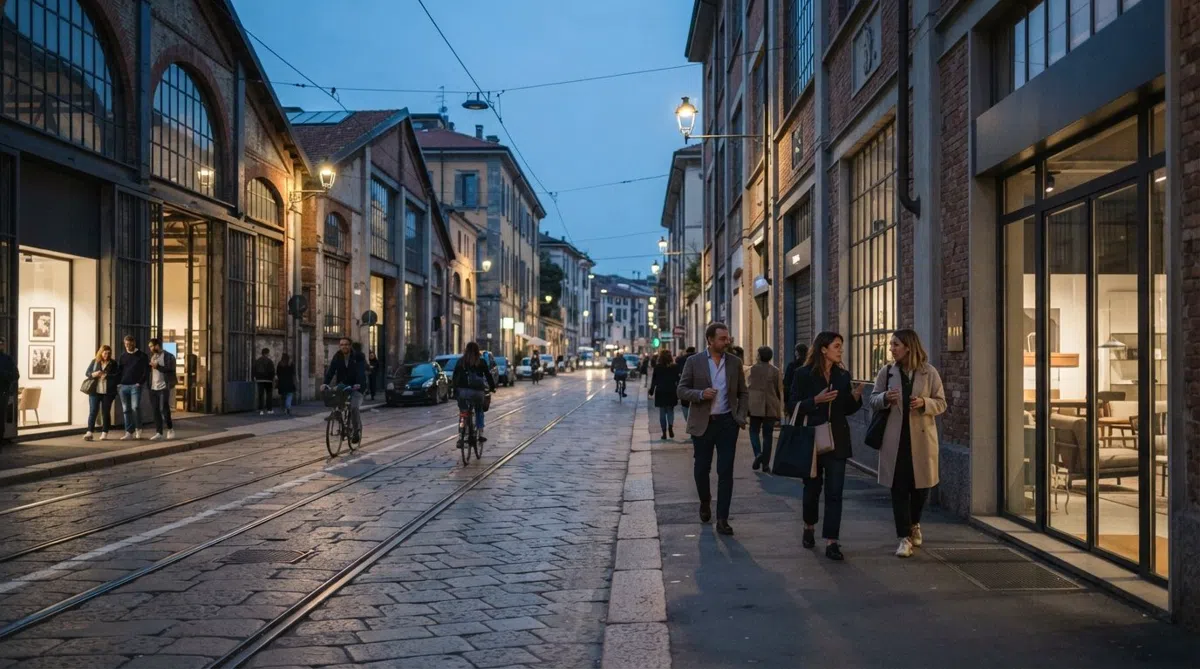
Denmark is a small country with an outsized claim: it taught the twentieth century how to sit. You feel that inheritance most clearly not behind museum glass but on a few walkable blocks of Vesterbro and the old Meatpacking District, where the same instinct that shaped a nation's furniture — honest materials, no wasted line, room for people to gather — now shapes its shops, its shared tables and its late-night rooms. Come for the design; stay because this is one of the easiest corners of the city to spend a slow day in, on foot or, as the locals do, on a bike.
A note on geography before you set off. Two neighbourhoods do the work here. Kødbyen — the Meatpacking District — is a grid of low white and brown industrial halls just behind the main station, now colonised by galleries, seafood and dancing. Vesterbro wraps around it: leafier residential streets, wine bars and design shops. Nothing in this guide is more than a ten-minute cycle from anything else, and most of it is a five-minute walk. If you only have a day, you can do the whole thing without ever queuing for a bus.
Start with the makers
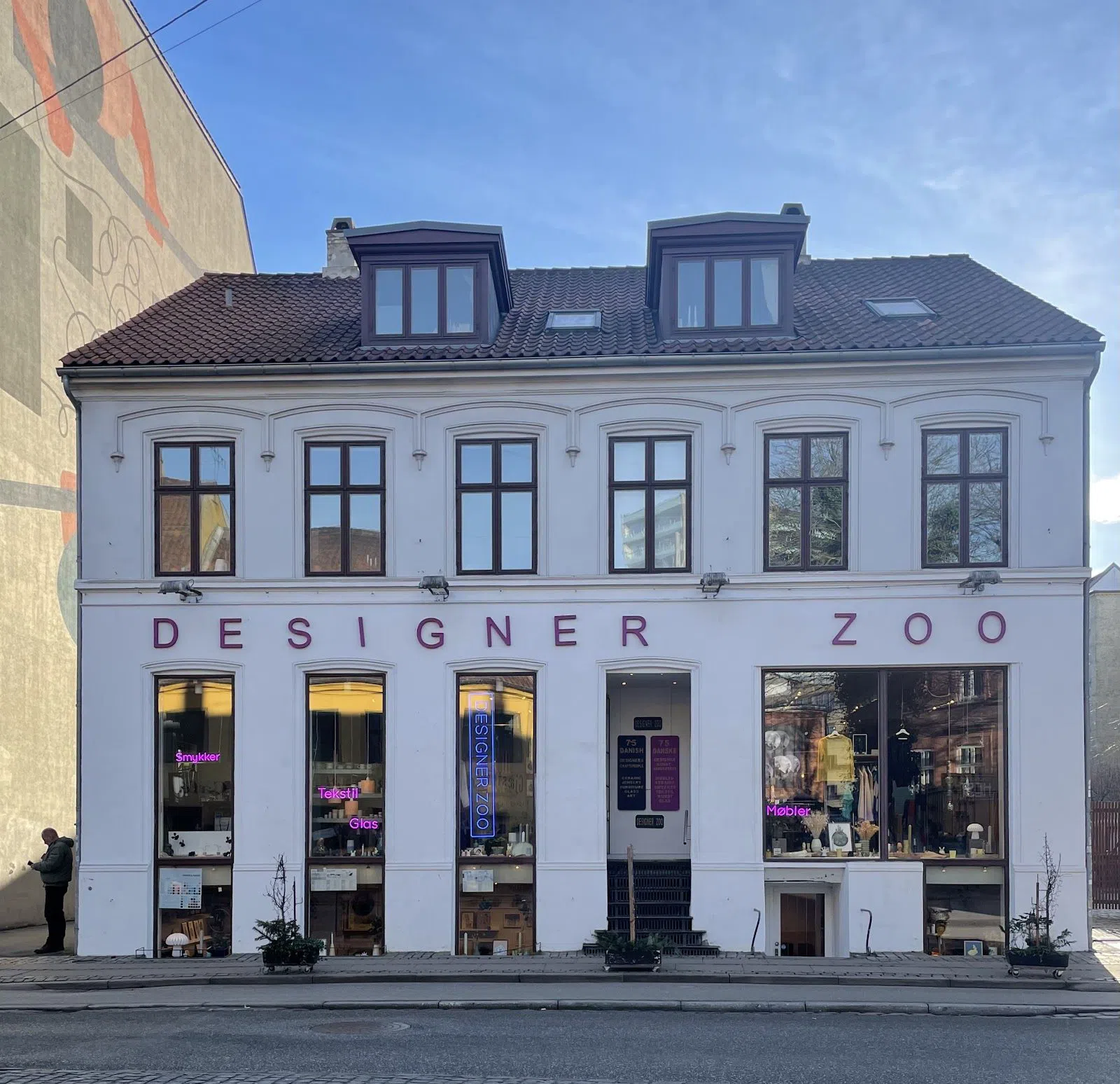
The chair-city story is easiest to grasp where furniture is still being made, so begin at Designer Zoo (Vesterbro, on Vesterbrogade toward Enghave). It is a shop and a gallery and a set of working benches all at once — representing around 75 Danish designers, with makers often at their tables while you browse. Ceramics, glass, jewellery and, yes, furniture; browsing is free, and the objects run from small (a €€) to serious (€€€). This is the district's most tangible design stop, and the one place where you might actually watch a thing being built rather than admire it finished.
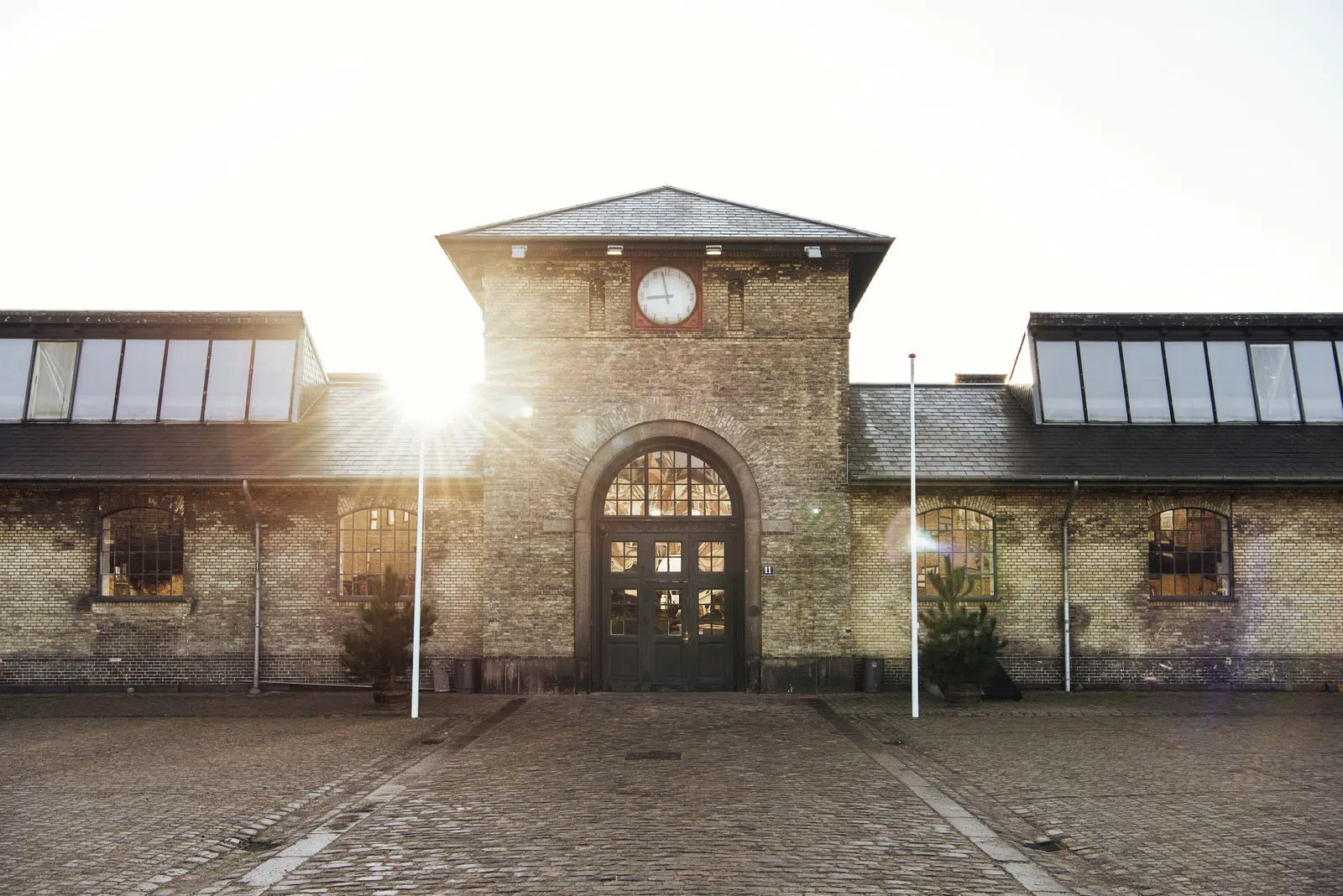
A short ride away, Øksnehallen (on the Kødbyen edge, by Halmtorvet) is the district's grand exhibition hall — a cavernous former cattle building that now hosts design fairs, markets and shows. The catch, and it is a real one, is that it is event-only: gloriously alive when something is on, and simply shut between shows. Check the calendar before you build a day around it. When it is open, entry ranges from free to €€ depending on the event, and it is the one space here genuinely built for a crowd.
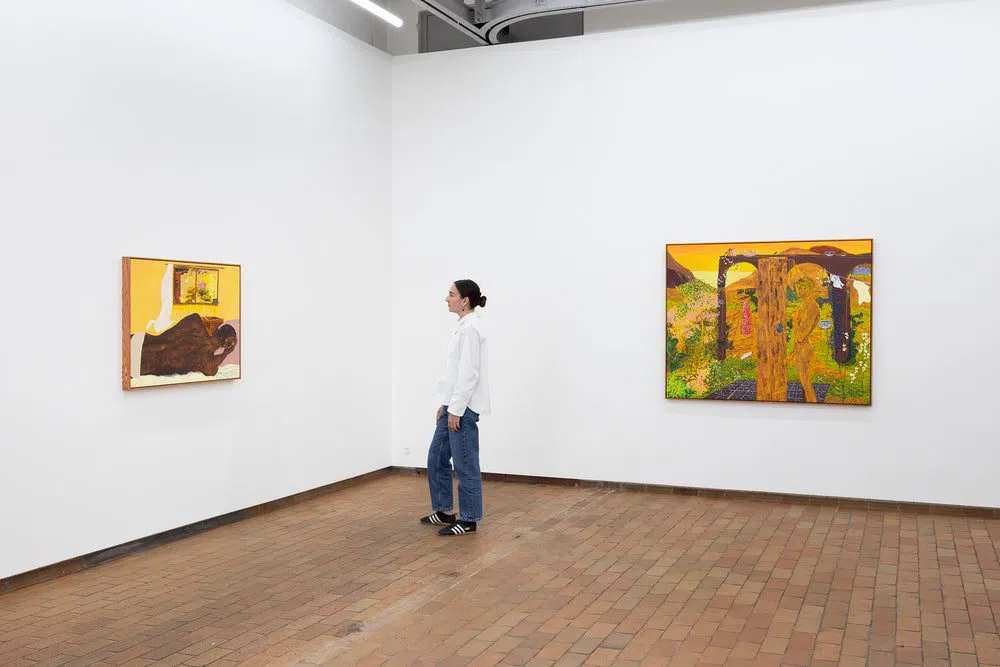
For contemporary art with design credentials, V1 Gallery (Kødbyen) anchors the district's cool. The New York Times once called it 'Copenhagen's coolest gallery', and it runs a sister space, Eighteen, nearby. Entry is free and walk-in, small groups are fine, but the hours are tight — Wednesday to Saturday, afternoons only — so slot it in accordingly. Together these three give you the full arc: art that comments on design, halls that celebrate it, and a shop where you can put your hands on it.
Plan your Copenhagen trip
Live prices from our booking partners.
Free cancellation on many rooms. We may earn a commission when you book.
Eating around a shared table
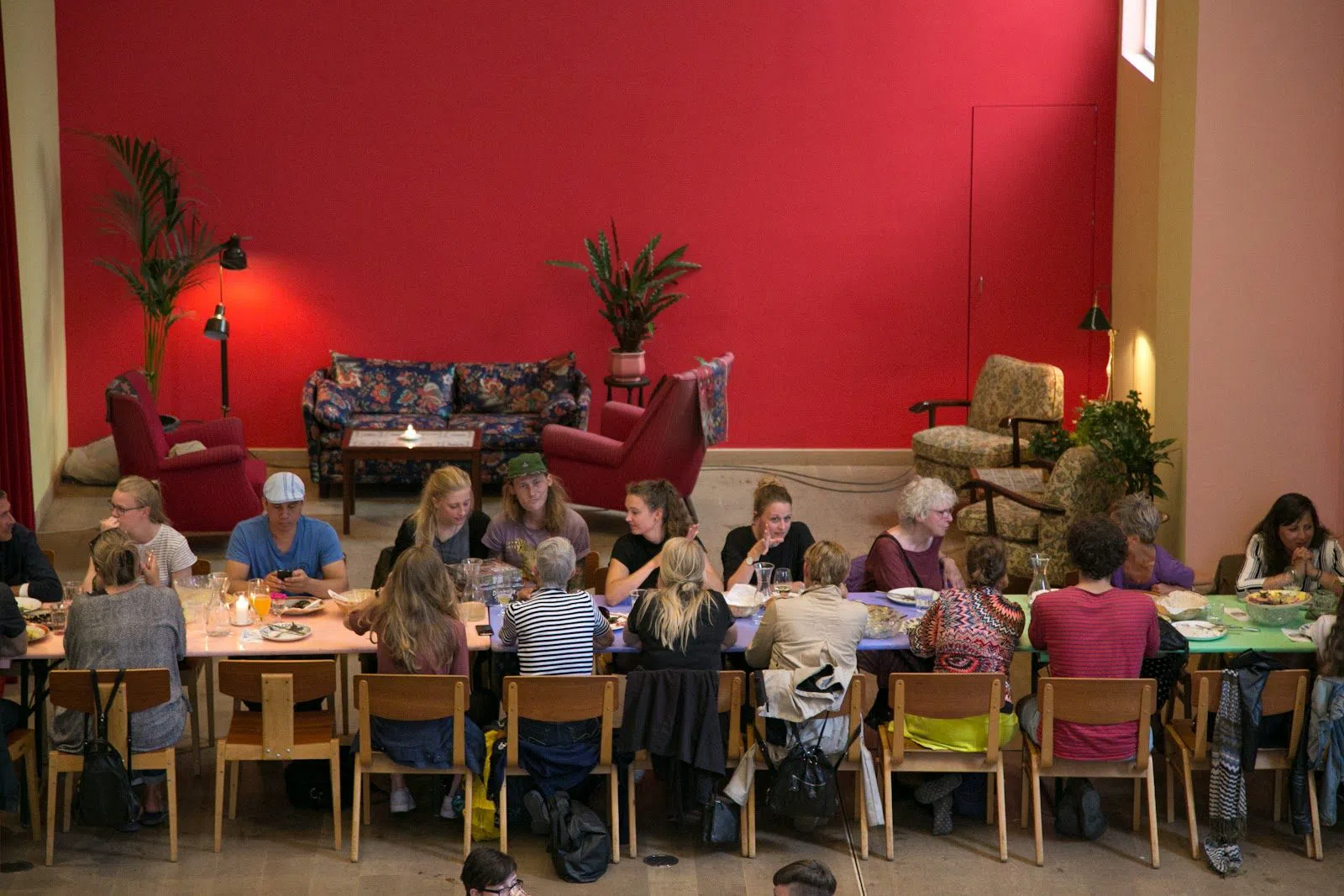
If Danish design has one social idea, it is the shared table — the belief that good things should be democratic and that strangers seated together is a feature, not a compromise. Nowhere embodies this better than Folkehuset Absalon (Vesterbro, on Sønder Boulevard). A former church turned 'people's house', it runs a nightly communal dinner — fællesspisning — at 18:00, seating strangers together at long shared tables for 75–100 DKK a head. It is, without exaggeration, one of the best group options in the whole city and the friendliest way to eat with a crowd, with something like a hundred events a week besides. Book the dinner ahead; it fills. This is also where I'd send anyone travelling in the dark winter months — the warmth of the room does a lot of work when it's black outside by four.
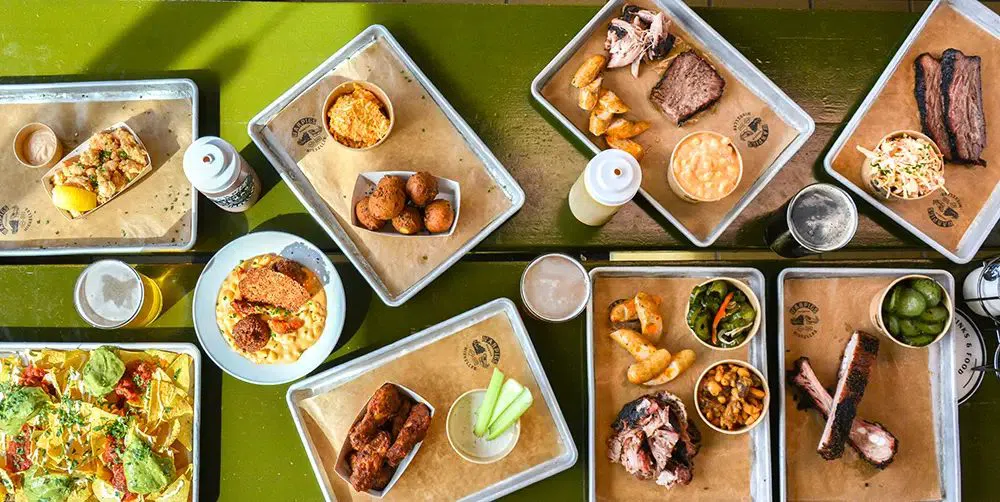
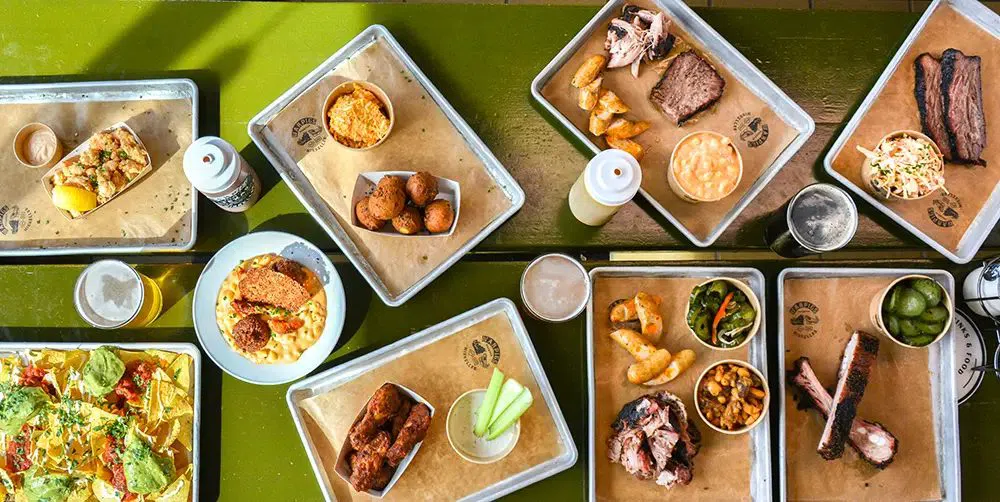
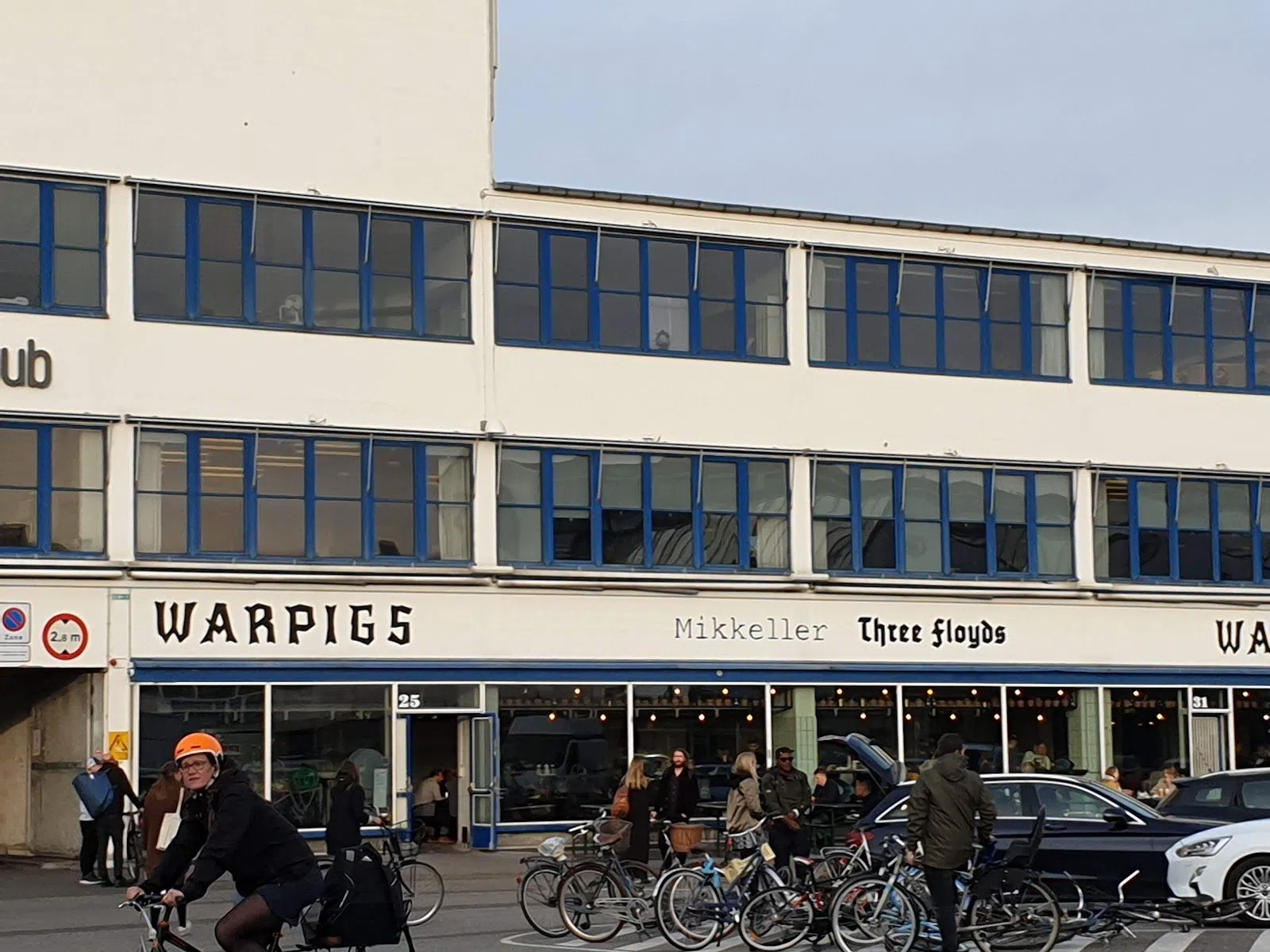
For beer and smoked meat with the same come-one-come-all spirit, WarPigs Brewpub (Kødbyen) is the district's default group anchor. A Mikkeller x 3 Floyds brewpub, it is built for numbers: communal benches, walk-in friendly, and dedicated group and catering menus for big tables. Expect €€ — mains roughly 120–200 DKK, beers 65–80 DKK. It is loud, generous and genuinely easy to bring a dozen people to without a plan.
When you want to eat like a grown-up, Kødbyens Fiskebar (Kødbyen) is the pick. Michelin-listed, sustainable, Nordic and seafood-led, it takes groups by reservation into a buzzy, communal room — but you must book ahead for a larger table. It sits at €€€, with oysters and small plates and mains around 200–350 DKK. Order the oysters; this is a fishmonger's district at heart.
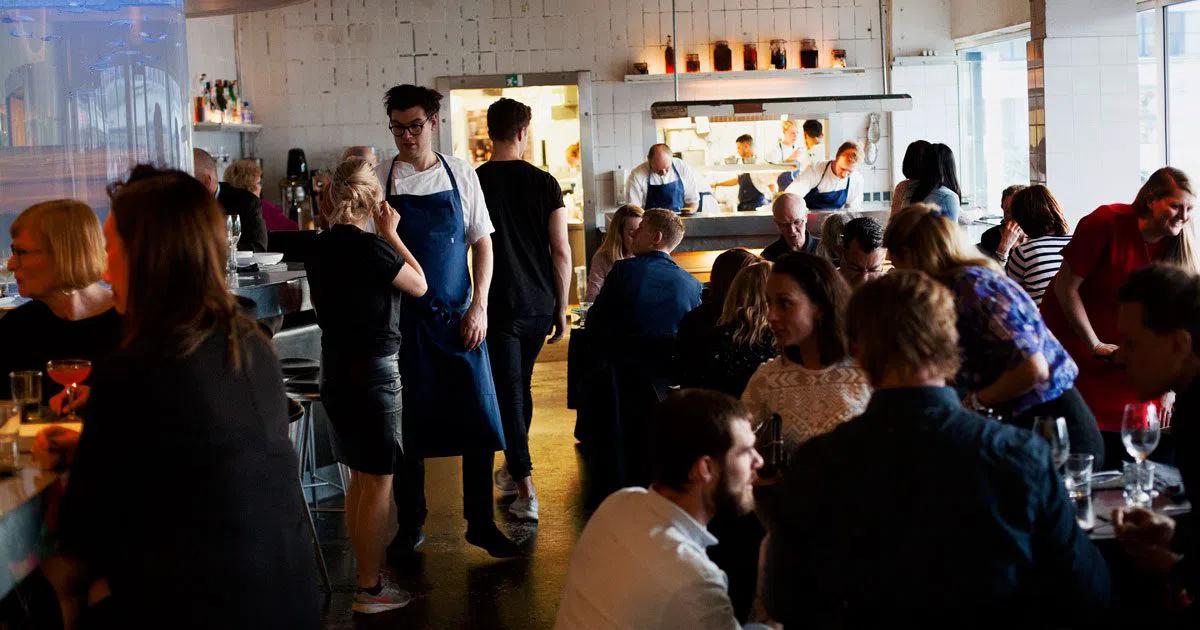
Just as reliable for a table that likes to share is Paté Paté (Kødbyen), the oldest restaurant in the Meatpacking District. Its whole menu is built for the middle of the table — French-Spanish-Danish small plates and a wine list taken seriously — which makes it a natural for groups. It is €€€, and larger parties should reserve. Between Fiskebar and Paté Paté you have the district's two best sit-down dinners, one from the sea and one from the vine.
The drinking rooms
Danish design is, in the end, about interiors — and the district's bars are where you sit inside that idea for the price of one drink. The classiest of them is Lidkoeb (Vesterbro, off Vesterbrogade), a tucked-away cocktail bar from the Ruby team that has made the World's 50 Best list. It spreads across three floors, handles small groups well, and hides a whisky loft at the top — snug, and no place for a large party, but perfect for four people who want to disappear for an hour. Cocktails run 120–150 DKK (€€€). It is deliberately hard to find; that is the point.

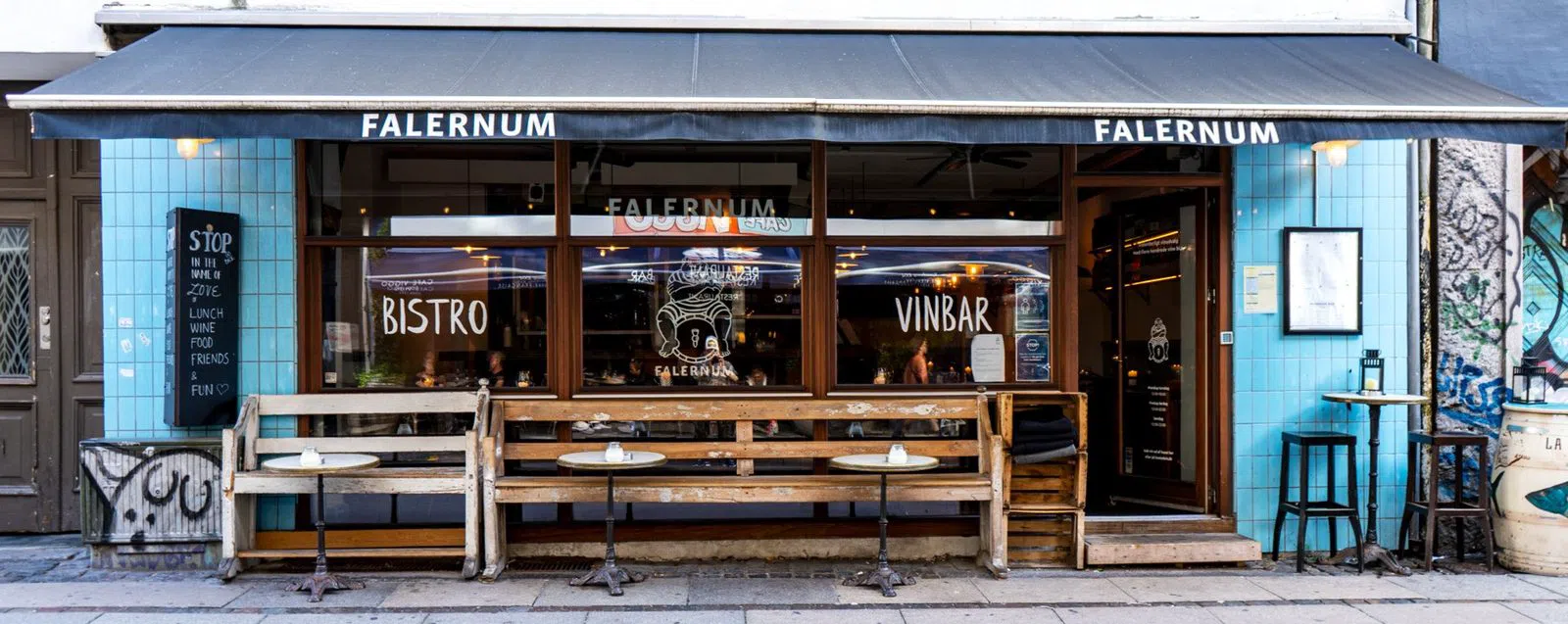
For something softer, Falernum (Vesterbro, on Værnedamsvej — the neighbourhood's most Parisian street) is a White-Star wine bar that works as a café by day and a wine bar by evening. It is cosy, which is the honest word: lovely for couples and small groups, too intimate for a big party, and genuinely busy after dark. Glasses of wine and tapas plates put it at €€. Come in the late afternoon in spring or autumn, when the street tables catch the last of the light.
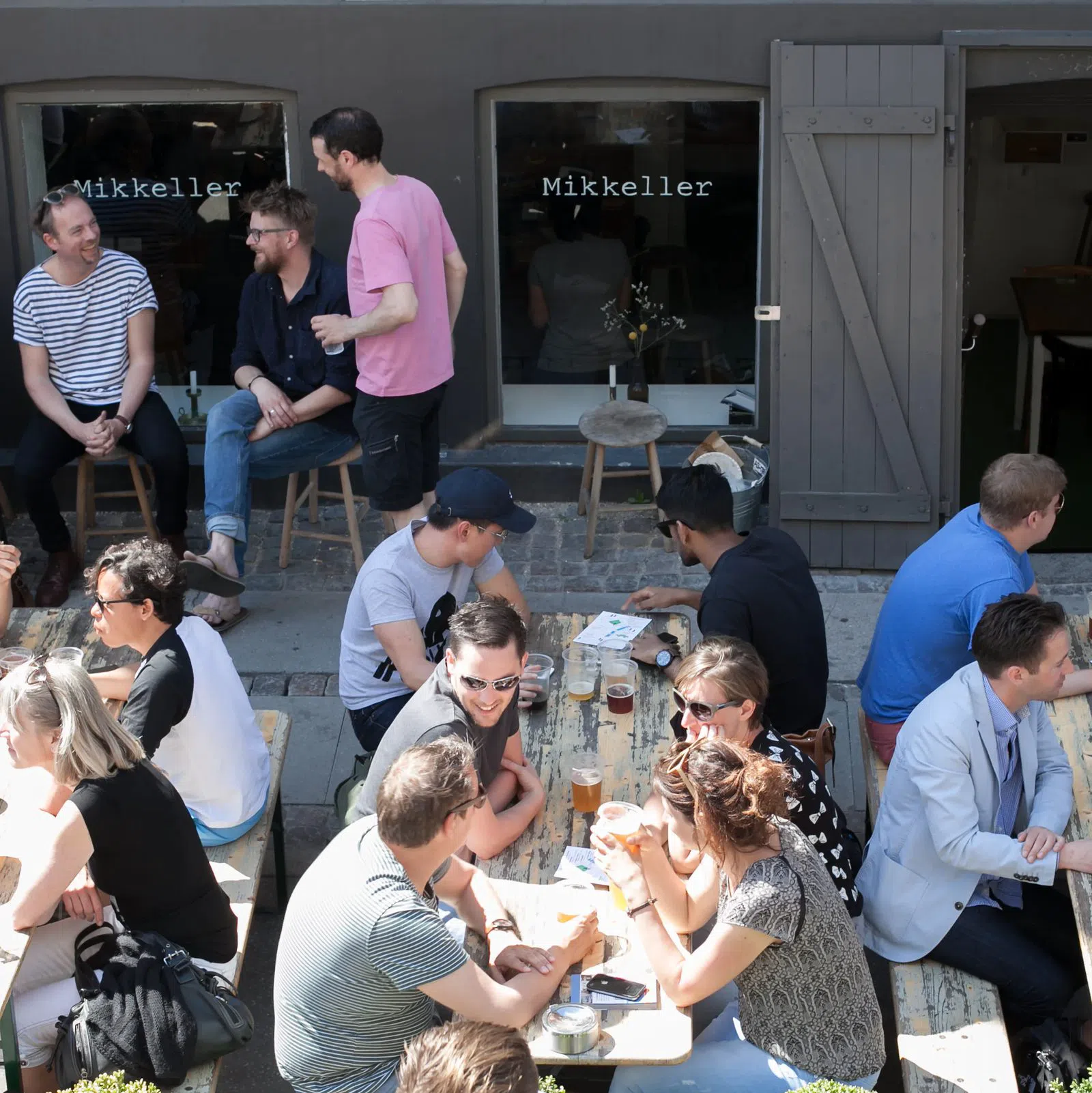
Beer purists should make the short walk to Mikkeller Bar (Vesterbro, on Viktoriagade), the original Mikkeller and a neighbourhood landmark. It is small and intimate — fine for a handful of friends, but too snug for a crowd of fifteen, and it doesn't take big-group bookings. Go for the rotating rare taps (beers 55–90 DKK, €€), not for a party. It is the quieter, more devotional counterpoint to WarPigs.
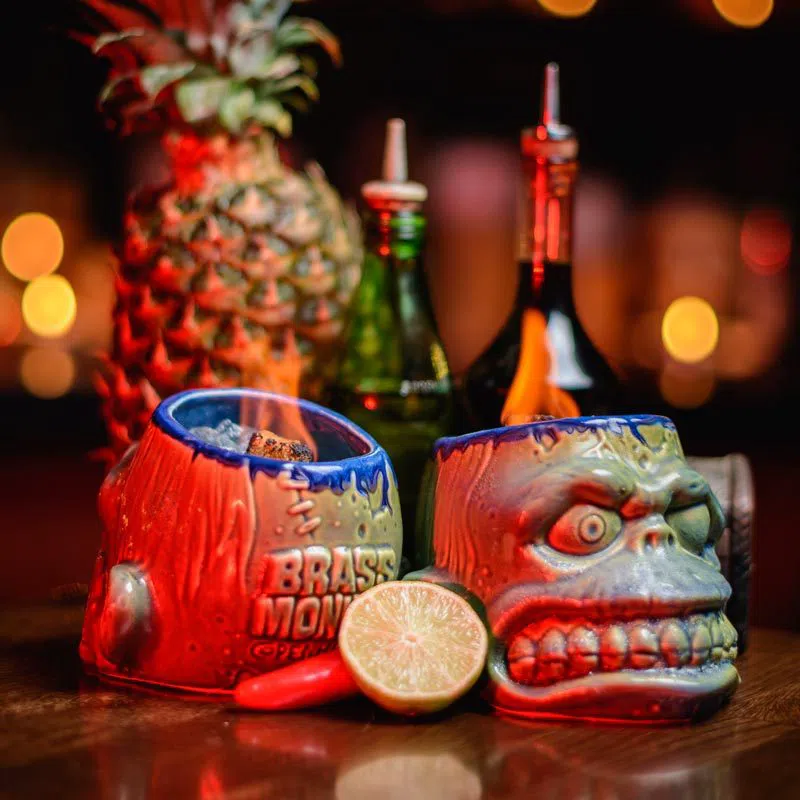
And for the district's cheerful rule-breaker, Brass Monkey (Vesterbro) is Copenhagen's only tiki bar and the holder of Scandinavia's biggest rum selection — a deliberately playful contrast to all that Nordic minimalism. It is small and lively, good fun for a group but with no large-party bookings, and open Thursday to Saturday only. Tiki cocktails run 110–140 DKK (€€). Think of it as the district letting its hair down.
After dark
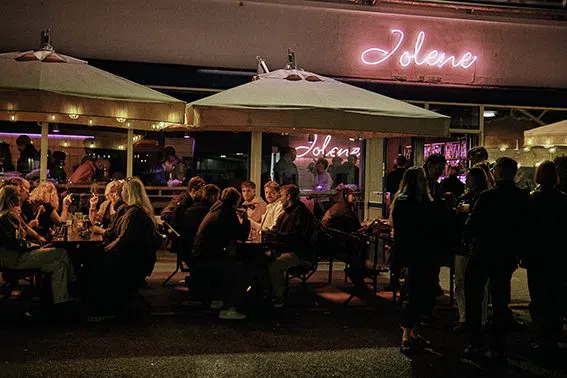
When the tables clear, two rooms across a single Kødbyen square carry the night. Jolene Bar (Kødbyen) has been an institution since 2007 — a relaxed, unpretentious dance bar with a welcoming, inclusive, LGBTQI+-friendly door that makes it easy for groups. Drinks are affordable and there is often no cover (€), though age limits run 19–21 depending on the night, so bring ID. It is the kind of place people end up at without deciding to.
Directly across the square, Bakken KBH (Kødbyen) is the scruffy, high-energy counterpoint — a come-as-you-are dive nightclub that's good for groups, open Thursday to Saturday late, with live music and its THRST Thursday club night. Drinks are cheap and weekend cover varies (€). Between the two you have the district's late hours covered: Jolene for easy dancing, Bakken for something rawer. Pace yourself — you'll likely visit both.
If you want to read more widely before you go, the Copenhagen guide is worth a look for context beyond this one district.
Practical notes
Getting around. This whole guide is walkable, but Copenhagen is a cycling city and the district rewards a bike — everything above sits within a ten-minute ride, most within five minutes' walk. Rent a bike or use the city hire scheme; the flat streets and separated lanes make it genuinely stress-free even for nervous riders. If you'd rather not cycle, the Metro and S-train both stop near the main station, a short walk from Kødbyen.
Cash and cards. Denmark is effectively cashless — cards and phone payments work everywhere here, from Absalon's communal dinner to the dive-bar cover charge. You won't need Danish kroner in your pocket, though prices are, of course, quoted in DKK.
Timing and seasons. Long summer light makes the outdoor tables at Kødbyen and the street terraces on Værnedamsvej a joy from May to September; this is peak season, so book dinners ahead. In the dark winter months the indoor rooms come into their own — Absalon and Lidkoeb especially — and the district feels cosier, not deader. Mind the tighter schedules: V1 Gallery is Wednesday–Saturday afternoons, Brass Monkey and Bakken are Thursday–Saturday, and Øksnehallen only opens when there's a show on.
Budget. You can do the district cheaply or splurge on it. A communal dinner at Absalon (75–100 DKK) and drinks at Jolene or Bakken keep a night well under 300 DKK a head. A Michelin seafood dinner at Fiskebar with wine and a cocktail at Lidkoeb will run several times that. Most people find the sweet spot in the middle — a WarPigs lunch, an afternoon in the shops and galleries, and a wine or two at Falernum before the night begins.
Where to stay. Basing yourself in Vesterbro or near the main station puts all of this on your doorstep; start your Copenhagen hotel search there and you'll cut your daily travel to almost nothing.
Before you go
Where exactly is Copenhagen's design district?
It spans two adjoining neighbourhoods just behind the main station: Kødbyen (the Meatpacking District), a grid of low industrial halls now full of galleries, seafood and clubs, and the leafier residential streets of Vesterbro around it. Everything sits within a ten-minute cycle.
Which places suit a big group?
Folkehuset Absalon's nightly 18:00 communal dinner is the friendliest and easiest for numbers, and WarPigs is built for big walk-in tables. Kødbyens Fiskebar and Paté Paté take larger parties by reservation, and Jolene and Bakken KBH welcome groups after dark. Skip Mikkeller Bar, Brass Monkey, Falernum and Lidkoeb's whisky loft for large parties — they're too snug.
Do I need to book ahead?
For dinner, yes: reserve Kødbyens Fiskebar and Paté Paté for any larger table, and book Absalon's communal dinner, which fills. WarPigs is walk-in friendly, and the bars and clubs don't take big-group bookings. In summer, book restaurants well ahead.
Are there age limits or door policies at the clubs?
Jolene Bar runs an inclusive, LGBTQI+-friendly door with age limits of 19–21 depending on the night, so bring ID. Bakken KBH has a relaxed come-as-you-are door and is open Thursday to Saturday. Both welcome groups.
How do I get around, and do I need cash?
The district is walkable but best on a bike — everything is a five-to-ten-minute ride apart on flat, separated lanes. The Metro and S-train stop near the main station. Denmark is effectively cashless, so cards and phone payments work everywhere; you won't need kroner in hand.